Why APP Needs Its Own Checklist
When procurement teams shortlist an APP bitumen membrane supplier China exports from, the checks that matter are APP-specific, because this grade lives or dies on heat performance. The modifier system and the reinforcement carrier define an APP modified bitumen sheet, and both leave fingerprints a buyer can verify before any factory audit is booked. Heat resistance is the headline property: the grade is chosen for hot climates precisely because its softening point sits at 130°C, so every downstream check — datasheet, certificate, sample — exists to confirm that one number is real and repeatable. A buyer who verifies polymer, reinforcement and heat performance in that order filters out most weak offers in an afternoon, long before price decides.
Heat Resistance: One Number, Checked Three Ways
The 130°C softening point of an APP bitumen membrane, as declared by a Chinese supplier on the datasheet, must appear consistently in three places: the Technical Data Sheet (TDS), the Certificate of Analysis (COA) for the delivered batch, and the third-party test report supporting the CE file. Request the actual ring-and-ball test result—not a summary or rewording—and verify that the tested thickness matches the quoted grade (3 mm, 4 mm, or 5 mm), because heat resistance data obtained at one thickness does not apply automatically to another. A value appearing solely in marketing material, with no certified documentation, is the most frequent discrepancy when this grade is selected based on price alone. The same COA must also include the corresponding values: tensile strength ≥ 600 N/50 mm, elongation ≥ 25%, and low-temperature flexibility from –5°C to –10°C—so the batch is defined by measurable numbers, not descriptive terms.
Modifier and Reinforcement Pairing
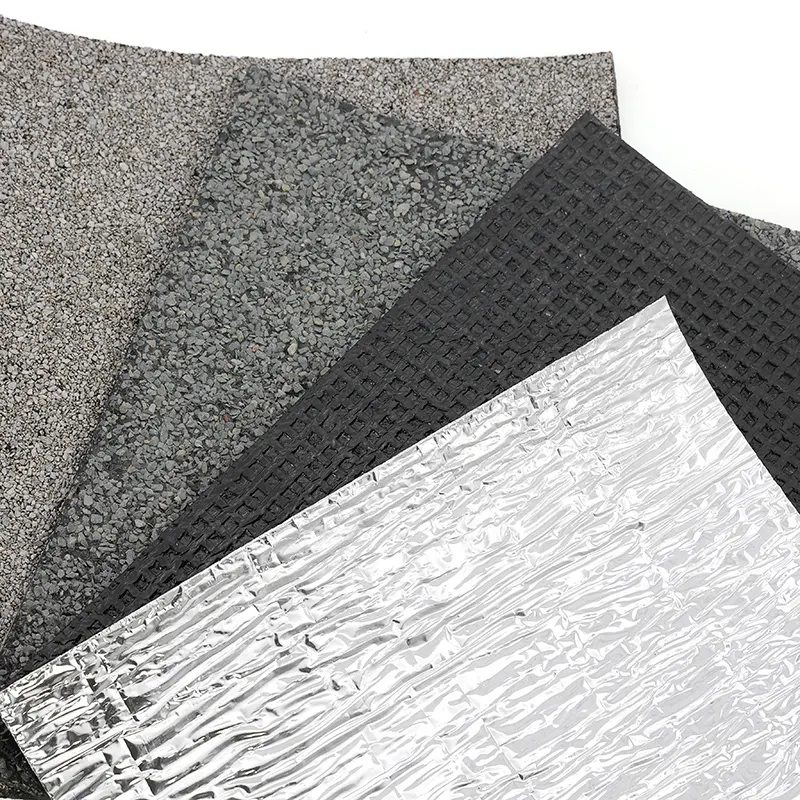
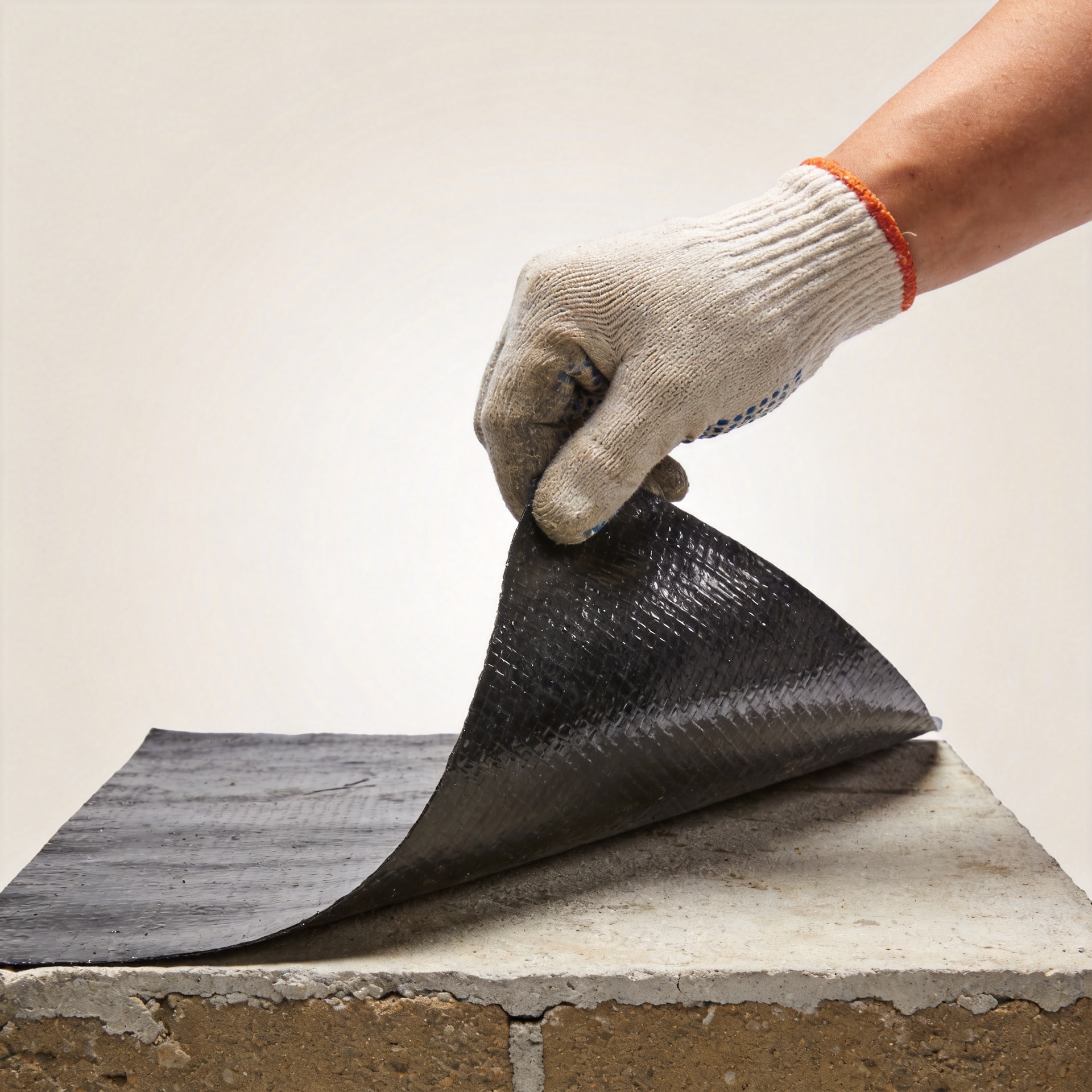
An APP modified bitumen compound performs only as well as the reinforcement it rests upon, so the pairing of an APP bitumen membrane supplier China offers merits its own dedicated question. Polyester mat delivers the elongation and tear resistance suitable for torch-applied installation and 80–100 mm laps; fiberglass mat provides dimensional stability at a different cost level; both are valid but distinct products, and the datasheet must clearly state which one is specified. Verify that the declared tensile strength of at least 600 N/50 mm corresponds to the declared mat type, and that the surface finish—PE film, sand, or aluminum foil—matches the intended application location. A quotation that combines the reinforcement of one grade with the price of another is not a discount; it is an unagreed re-specification—and a red flag to raise during the factory audit.
Batch Stability for Torch-Grade Rolls
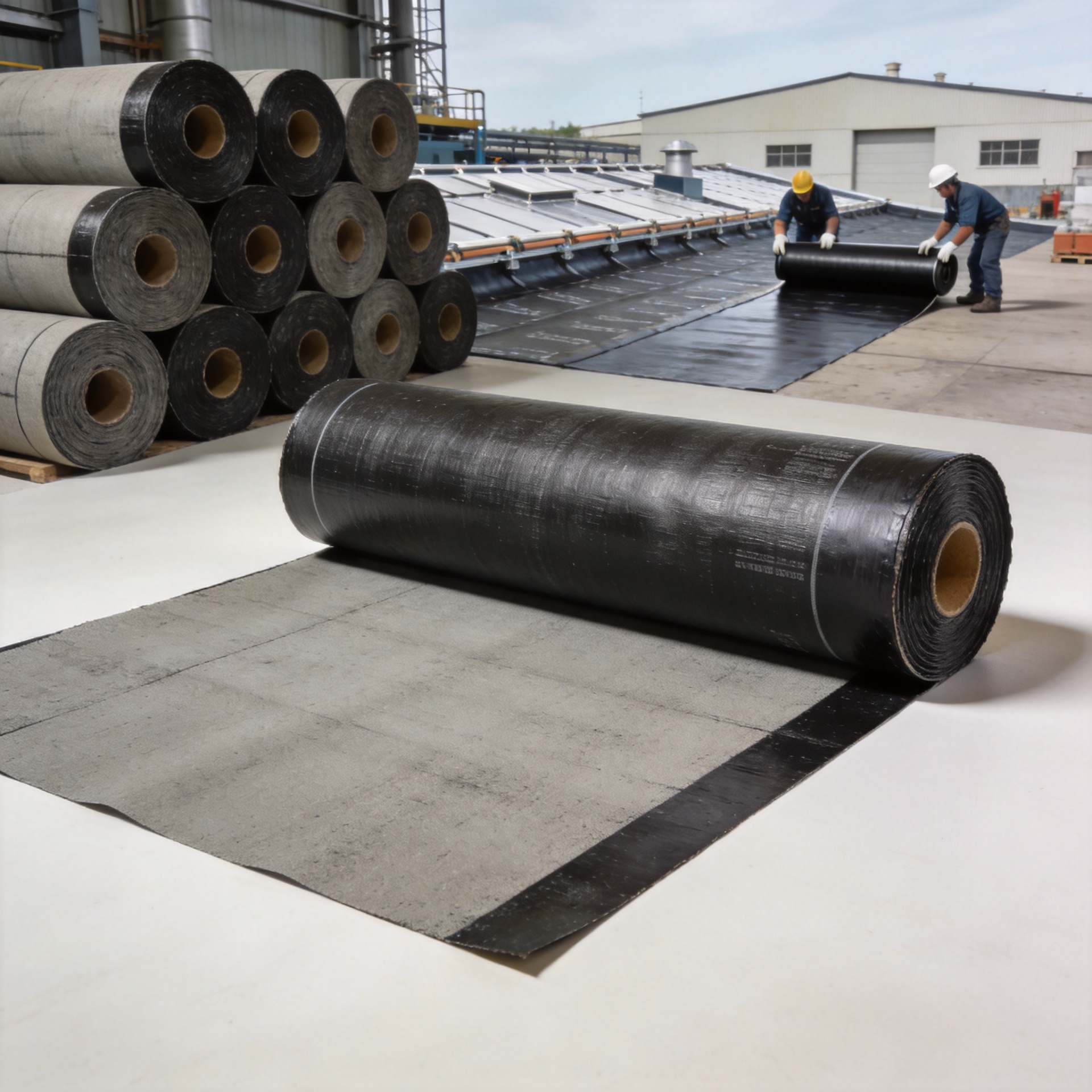
Torch-applied roofing tolerat non misericorditer derivationem inter productiones: ubi resistentia ad calorem derivat, APP-modificatus bitumenus compositus aliter liquefit ab rotula ad rotulam, et effectus est ustio, fusio lapsus inaequalis aut membrana quae non germinat in orlo. Stabilitas partuum, quam suppeditator membranarum APP-bituminarum in Sinis demonstrat per series consecutivas, ideo directa quaestio risici installationis est, non tantum formalitas documentorum. Roga records COA pro pluribus recentibus partibus eiusdem gradus et compara punctum mollificationis, flexibilitatem frigidam et valores tractionis linea per lineam; consensus arctus inter partus est definitio practica processus regulati. In uno experimento ante contractum a distributore mercati Gulfi, tres series consecutivae gradus polyester 4mm ceciderunt intra fasciculum angustum in omnibus tribus parametris, et haec consistentia — non tantum exemplar — iustificavit contractum.
Index Inspectionis Fabricae pro Productione APP
Nullum documentum substituit ambulationem per lineam; ideo visitatio fabricae disponenda est secundum quae realia dependet productio bituminis modificati: depositio materiarum primarum pro bitumine oxidato et modificatore APP, alimentatio metrata in systema miscendi, regula temperaturae per stadium mixtionis, et laminatio continua renfortis et pelliculae superficialis. Laboratorium controlis qualitatis debet habere instrumenta operativa pro puncto mollitionis, flexibilitate ad temperaturas inferiores, experimentis tractionis et impermeabilitate ad aquam, cum recentibus relationibus de resistentia ad calorem et flexibilitate in archivo, et certificato ISO 9001 quod comprehendit entitatem producentem nomine proprio. Auditio fabricae apud suppeditatorem membranarum bituminarum APP in Sinis etiam revelabit particulas tacitas: etiquettas pro traciabilitate partium in rotulis finitis, statum pelliculae liberationis, et modum quo merces finitae servantur adversus calorem et lucem solarem antequam expediuntur. Hoc dispone ante ordinem experimentalem, non post primam querelam.
Exemplaria et documenta pro exportatione
Insist on production samples from a scheduled run, not a showcase piece, and pair every sample of the modified bitumen with its COA so heat resistance values and material travel together. The document set an APP bitumen membrane supplier China ships should include the batch quality certificate, TDS, MSDS, and the CE certificate where EN-type approval is claimed, with roll labels traceable to the declared batch. Export paperwork deserves the same scrutiny a factory audit applies to product: check that invoices, packing lists and certificate of origin describe the grade and thickness actually contracted, because customs descriptions that drift from the contract create delays at destination. When sample values and documents agree across two consecutive orders, the supplier has demonstrated the consistency that repeat supply depends on, and the relationship can move from trial to framework.
Quaestiones Frequenter Rogatae
What separates an APP bitumen membrane supplier China trusts with repeat orders?
Consistentia inter partus: idem punctum mollificationis ad 130°C, valores fortitudinis tractionis et flexibilitatis in certificato originationis (COA) cuiuslibet partus, confirmata a planta bituminis modificati quae processum subiicientem demonstrare potest.
Quanta data de resistentia caloris satis sunt antequam ordinetur?
Tres fontes qui conveniunt — tabula technica, certificatum partus et relatio tertii partis — omnes affirmantes 130°C pro exacta crassitie citata; auditus fabricae qui observat experimentum puncti mollificationis circuitum complet.
Potestne qualitas exemplaris verificari contra certificatum?
Ita: examina exemplar pro fortitudine tractionis, elongatione et flexibilitate, deinde coniunge resultata ad valores COA, scilicet ad minus 600 N/50mm et ad minus 25%, pro eadem gradu et numero partus.

 EN