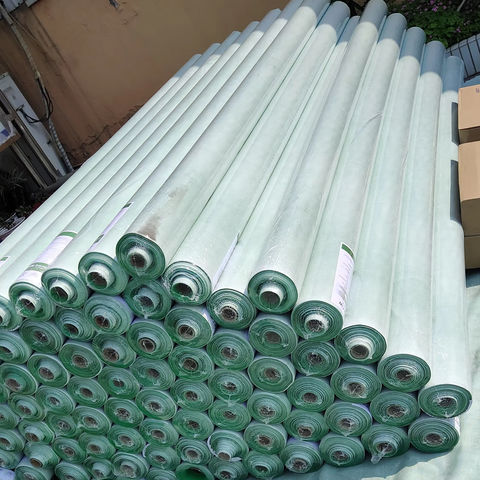
A new concrete deck looks flat and sound, but it is a chemically active surface. A bitumen waterproof membrane for concrete roof work has to be scheduled around curing, moisture, and laitance rather than laid the week the formwork comes down. This guide sets out the sequence from moisture check to protection layer, with the sheet values that belong in the specification.
Why a New Deck Is Not a Ready Substrate
Concrete casts with a weak surface layer, laitance, made of fines and cement that rose during vibration. That layer has low strength and must come off before any sheet goes down. A torch applied membrane bonded to laitance will hold for a season and then lift in sheets. A concrete roof waterproofing sequence starts with the pour date, not the delivery date.
Tabula etiam minuitur dum siccatur, et contractio continuat post tectum clausum. Substratum concretum quod adhuc movetur rimas faciet sub finitione rigida, quare ordo permittit curatio antequam opus membranarum incipiat. Prima bituminis non corriget tabulam mobilem.
Curatio et Humiditas Ante Lamellam
Humiditas est secunda porta. Programma impermeabilisationis tectorum concretorum non incipere debet nisi post completum tempus curandi praescriptum et lectura examinis humiditatis indicet siccum. Aqua inclusa sub lamella in vaporem convertitur sub sole et membranam a tabula repellit, quod defectum ostendit primo vesiculis, deinde lapsibus.
Substratum concretum potest in superficie siccum videri et tamen aquam infra tenere. Examine cum metri humiditatis et lamella plastica per noctem ad tabulam adhaesiva. Si condensatio apparet, exspecta. Membrana impermeabilis bituminis pro tectis concretis est vapori impervia, itaque aqua relicta in tabula nusquam abire potest.
Praeparatio Superficiei et Prima
Grind or scarify the deck to remove laitance, then fill voids and honeycomb with repair mortar, leaving a clean, dry concrete substrate with real shear strength. Corners need a fillet, not a square edge. Dust off the surface and apply a bitumen primer at the coverage the data sheet states, allowing it to dry to a tack before torching. A primer that is still wet will blister under the flame, so test it with a finger before the first roll.
A torch applied membrane needs a dry, dust-free surface for fusion. Prime the day before if the schedule allows, and protect the primed deck from rain. On a bitumen waterproof membrane for concrete roof work the bitumen primer is the bond layer, and skimping on it is a common cause of lap failure. A concrete roof waterproofing clause should name the primer, not just the sheet.
Details Before the Field
Details take the movement first. Form a fillet at every internal corner, carry the sheet up the parapet to a termination bar, and reinforce outlets and penetrations with a collar. Movement joints need a separate detail, not a sheet laid across them.
A concrete substrate moves at joints and edges, so let the torch applied membrane bridge where the design allows, and keep the bitumen primer off the filler unless the data sheet says otherwise. Inspect every detail before the field sheet covers it. A bitumen waterproof membrane for concrete roof details is cut and fitted before the field is opened.
Venting and Trapped Vapour
Some assemblies trap vapour between slab and sheet, especially where a screed or insulation sits above. A venting base sheet, or a layer that lets vapour escape to the edges, gives moisture a path out. The alternative is a blister field that appears in the first hot week.
Membrana impermeabilis bituminosa pro structuris tecti concreti potest esse stratum superius super stratum ventilatorium, cum superpositionibus alternatis. Designatio impermeabilisationis tecti concreti declarare debet utrum structura sit ventilata an hermetice clausa, quia utraque diversa particularia requirit. Membrana applicata flamma super tabulatum hermetice clausum plene adhaerere debet, sine vacuitatibus quae aerem colligere possint.
Stratum Protectionis et Traditio
Stratum superius expositum tempestatem sustinet, sed non rotam carri. Ubi tectum utetur, addatur stratum protectionis: stratum cementicium, lastrum, aut lamina granulata. Stratum protectionis fixetur sine perforatione membranae, et transitus per tabulas durante constructione maneat.
Ad manumissionem, annota partem bituminis primarii, partem membranae, superpositiones marginum, et lectionem umoris. Membrana bituminosa impermeabilis pro tecto concretivo debet signari ad eas annotationes, et substratum concretivum quod erat siccum ad tempus applicationis praedicit bene quietam primam aestatem. Annotationes impermeabilizationis tectorum concretivorum, partem membranae applicatae flamma, et lectionem tabulati in archivo manumissionis ponendae sunt. Valores membranae in eodem archivo ponendi sunt: SBS flexibilitas ad -25°C, resistentia trahens ≥800 N/50mm, elongatio ≥40%, et resistentia calori ad 90°C secundum GB 18242 aut EN 13707, aut APP resistentia trahens ≥600 N/50mm, elongatio ≥25%, resistentia calori ad 130°C, et flexibilitas ad -5°C usque ad -10°C.
Extensio scholae in valle fluminis in autumno absolvitur. Operarii exspectaverunt examen umoris, primaverunt, et posuerunt tegumentum SBS 4 mm cum superpositionibus marginum 80–100 mm. Iulio sequenti tectum nullas bullas ostendebat.
Quaestiones Frequenter Rogatae
Quam siccum debet esse tabulatum?
Siccus satis ut lamina plastica per noctem adhesa nullam condensationem ostendat. Membrana bituminosa impermeabilis pro operibus tecti concreti non debet super slabum humida poni, quaecumque programma dicant. Substratum concretum diem statuit.
Potestne lamina super laitantiam ire?
Non. Laitantia est infirma et exscindenda est. Membrana applicata flamma, quae ad eam adhaeret, solvetur, nec primarius bituminosus remedium praebet.
Num tectum stratum protectionis eget?
Ubi calcabitur vel onerabitur, ita est. Impermeabilizatio tectorum concretorum saepe stratum cementitium aut testas addit, quae sine perforatione laminae fixantur, et membrana bituminosa impermeabilis pro tectis concretis in documento indicare debet, quis tabulatum inspexerit.

 EN