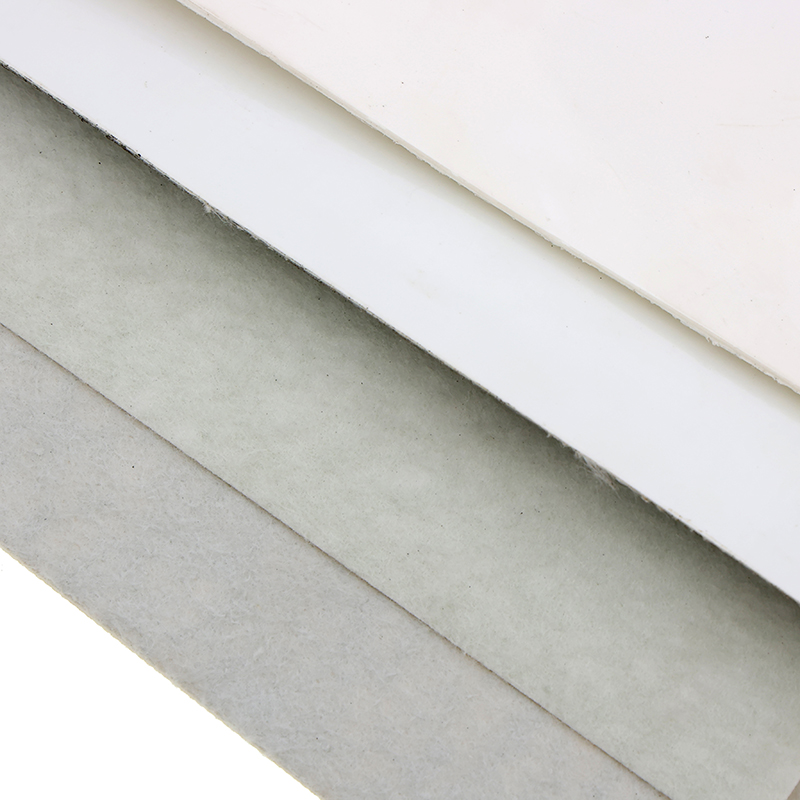
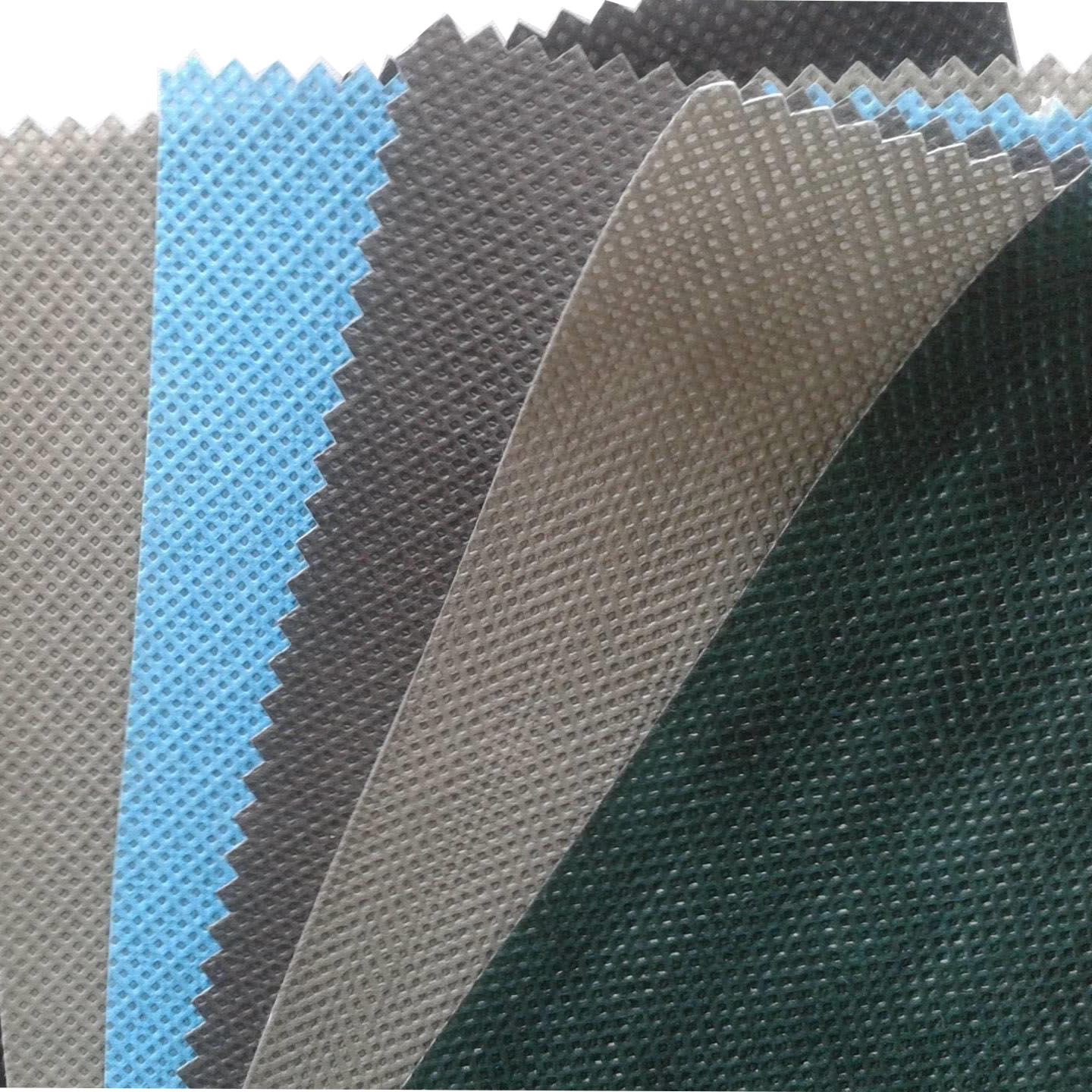
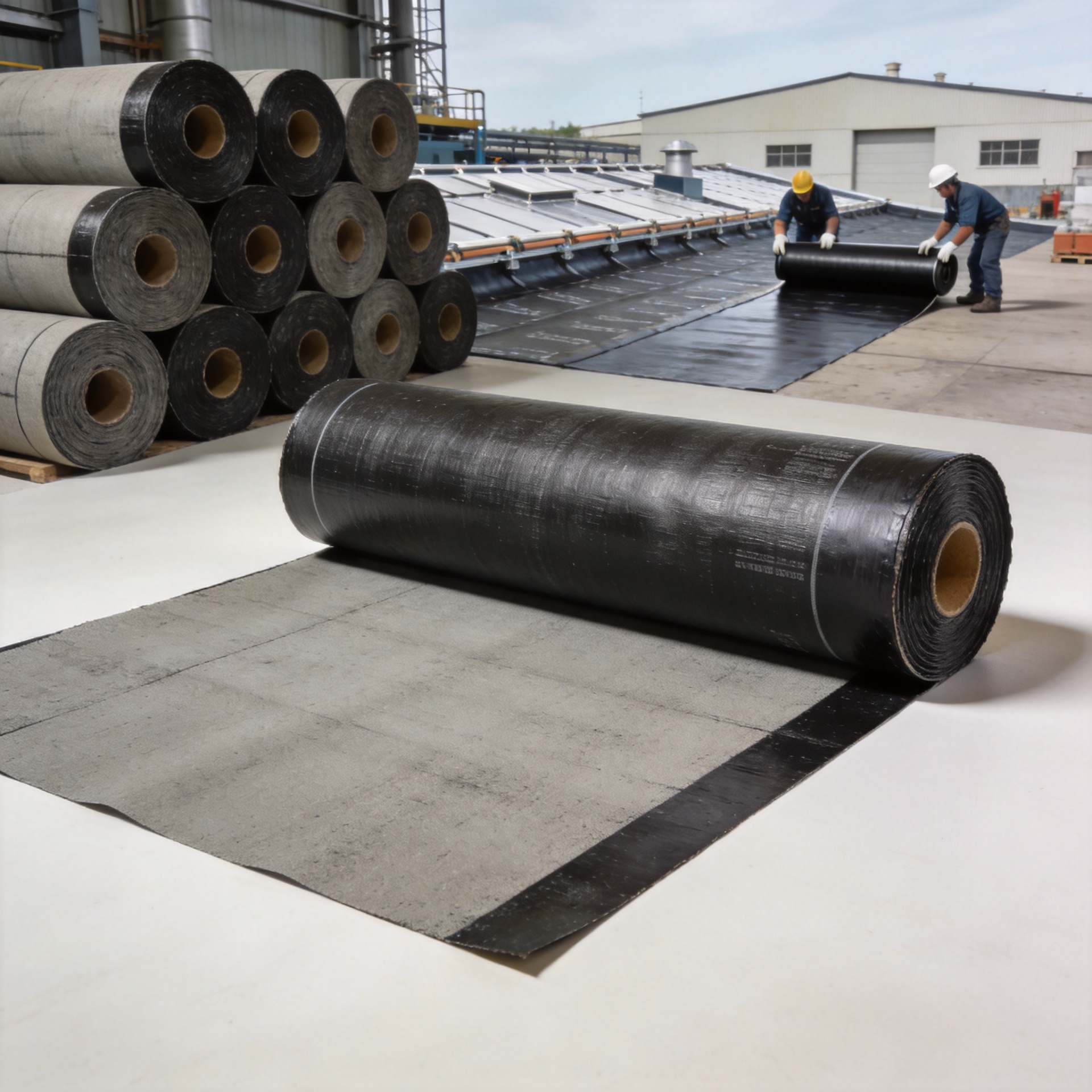
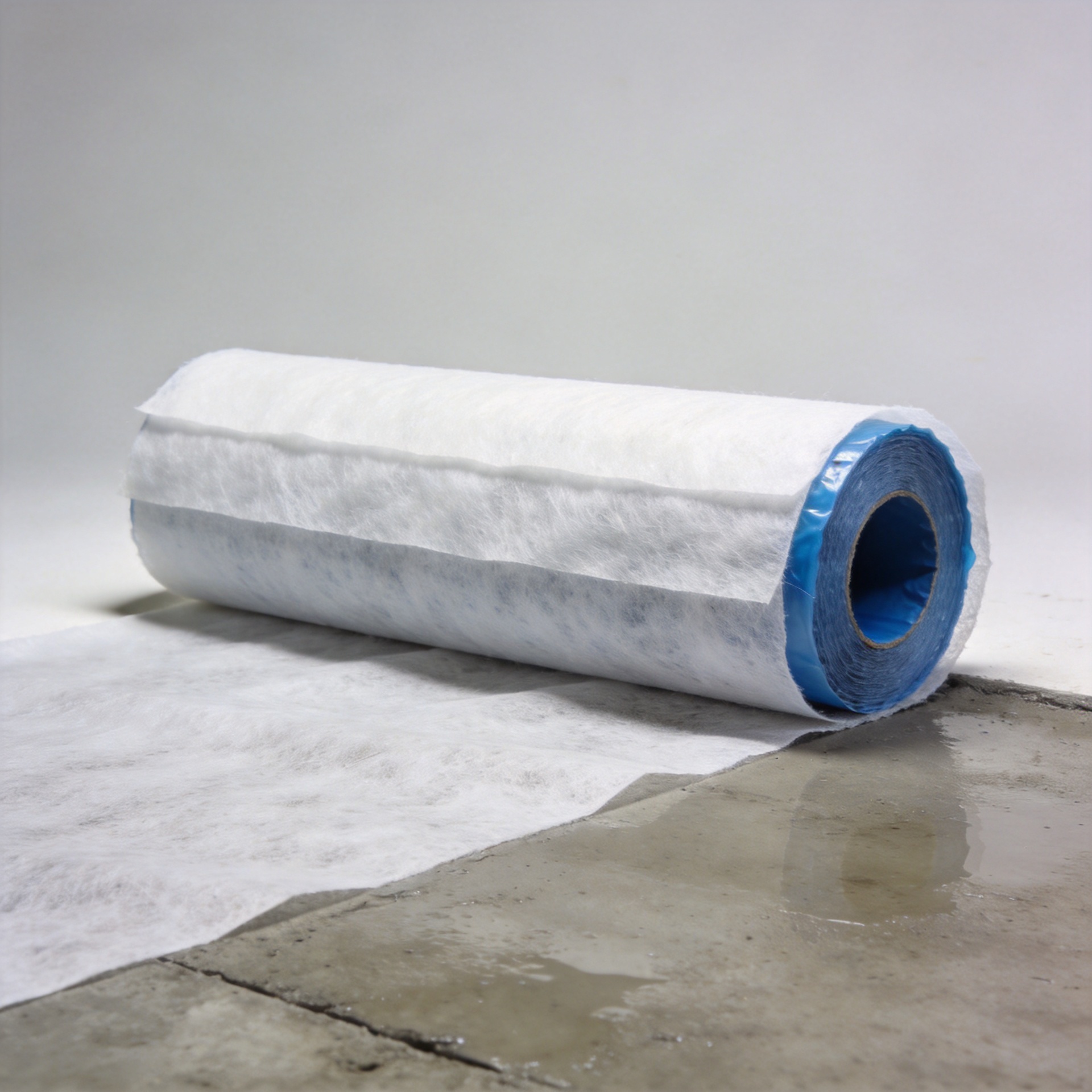
Pauciores tecta TPU quam PVC aut TPO gerunt, et plures quaestiones cum eo veniunt. Polyurethanum thermoplasticum est copolymers in blocos dispositus qui, sine ullius curandi necessitate, liquescit, saldatur et rursus formatur; hoc utrumque eius attrahentem vim et limites explicat. Hoc opusculum quid materia sit exponit, ubi membrana tecti unius stratae longiore iam experientia probata tutior maneat, et quando membrana TPU aqua-resistens suum praemium meretur.
What the Material Actually Is
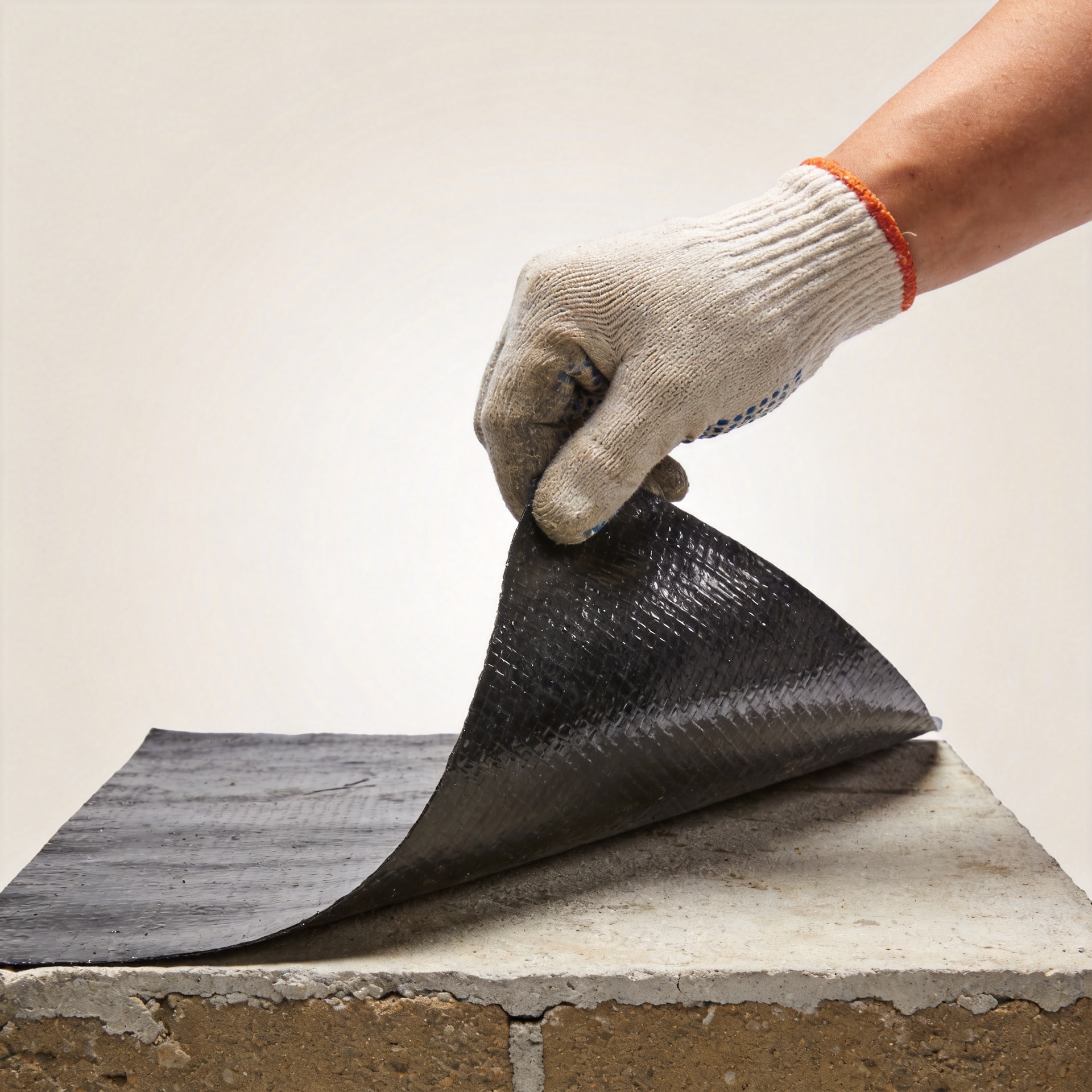
Polymere ad eandem familiae processus pertinet atque PVC et TPO: sub calore molliscitur, saldatur aere calido aut cuneo, et in loco rursus tractari potest. Membrana polyurethani thermoplastici in fabrica in magnas tabulas saldari potest, ad transportandum plicari, et rursus ad oram tecti iungere sine adhesivo. Nihil in lamina curatur, itaque nulla est vita in vasculo antequam iunctura examinatur.
Iste est differentia structuralis ab polyurethano applicato liquide, qui in pelliculam durat, non potest rursus liquefieri nec soldari. Membrana impermeabilis TPU manet thermoplastica, ideo soldatura, non prima, determinantur particularitates; et membrana impermeabilis PVC eodem modo se habet ubicumque soldatur.
Proprietates quae in usu valent
Resistentia ad abrasionem est ubi haec familia a concurentibus distinguitur. Polymers tolerat ambulationem, arenam, gravamina et instrumenta trahenda sine politione per, quare cinguli transportantes et structurae inflabiles robustae eandem chymiam utuntur; et haec est praecise proprietas, in qua membrana impermeabilis PVC saepissime deficit in veris condicionibus usus super tabulatum tecti. Membrana impermeabilis TPU in via transversali argumentum sustinet quod lamina tenuior non sustinet.
Flexibilitas ad temperaturas bassas est secunda proprietas, et venit sine plasticante, quod est insolitum pro membrana tecti unius stratae. PVC flexibilis dependet a plasticante ad mollitiem, et iste additivus migrat: lamina rigescit, sordes ad superficiem adhaerent, et saldatura fit minus praedicta. Membrana thermoplastica polyurethanica nullum tale additivum habet ut perdat. Resistentia ad oleum et combustibile est tertia, ubi membrana aquae impervia TPO minorem offert.
Ubi convenit cum PVC et TPO
Data publicata praebent normam pro utraque familia iam constituta. Membrana aquae impervia homogenea PVC Typus H notatur ad non minus quam 200 N/50mm fortitudinem trahentem et 250 percentum elongationis trans 1,2 mm ad 2,0 mm, saldata cum superpositione minima 40 mm, ad EN 13956 et GB 12952.
The tpo waterproof membrane Type H page lists at least 100 N/50mm tensile strength, 300 percent elongation, dimensional stability within 2.0 percent, and watertightness tested to 60 kPa under EN 1928, across the same 1.2mm to 2.0mm thickness range. Those figures, published by the manufacturer for the specific grade, thickness and standard, are the numbers against which a tpo waterproof membrane is bought; thickness alone tells a buyer little about any sheet.
Where a TPU Sheet Earns Its Place
Small, complex, heavily used areas are the natural territory, and they are where a pvc waterproof membrane has been the default for years. A plant deck around chillers, a walkway, a loading apron, or a terrace over a habitable room where a tpu waterproof membrane has to turn a dozen corners and finish under a door threshold: each rewards a material welded into a shaped panel in the factory.
Refurbishment follows the same logic. Where a substrate cannot take flame, and where a liquid coating would need days between coats, a thermoplastic polyurethane membrane arrives as a finished sheet. A single ply roofing membrane still wins on a large open field, but on a balcony rebuilt over occupied rooms the programme matters more than the material premium, and that trade is easy to justify.
Where It Does Not Fit
A large flat roof is the wrong place to start for a thermoplastic polyurethane membrane: sheet cost is higher than a PVC waterproof membrane or TPO, welding equipment and trained operators are less common, and weathering data is thinner. A roof carrying a 20-year warranty is easier to specify with a TPO waterproof membrane whose UV performance and seam strength have been documented across many projects, and a single ply roofing membrane with that record is easier to insure.
Classificatio ignis est alterum examen. Membrana aqua-repulsa TPU debet habere classem reactionis ad ignem quam aedificium postulat, et certificatum hoc est specificum gradus, non specificum brandi. Tabula data quae enumerat proprietates mechanicas sed non classem ignis est incompleta, et membrana aqua-repulsa TPO non differt.
Specificare Sine Longa Historia
Historia desiderata non est causa ut materiale recusetur, sed tantum ut per experimentum specifictur. Roga de spessore nominali et tolerantia, fortitudine trahendi et elongatione ad rupturn, resistentia lacerationi, fortitudine iuncturae ex exemplari soldato, et methodo expositionis ad UV sub quaqua affirmatione de aetatione.
Roga utrum gradus sit aromaticus an aliphaticus, quoniam duo diversimode aetantur, et utrum facies sit levis an impressa. Membrana poliurethanica thermoplastica specificata secundum hos sex punctos comparari potest cum membrana aqua-repulsa PVC in aequilibrio, et membrana tecti monocapsularis iudicari potest per eandem listam.
Quaestiones Frequenter Rogatae
Estne TPU idem materiale atque TPO?
No. A tpo waterproof membrane is a polyolefin blend, typically polypropylene with an elastomer; TPU is a polyurethane block copolymer. Both weld, but they differ in chemistry and UV behaviour.
Does a TPU sheet need adhesive?
Usually not. Seams are hot-air or wedge welded, and a thermoplastic polyurethane membrane is joined that way. A tpu waterproof membrane uses adhesive at terminations and perimeter fixing, where a bar or a bonded edge suits the detail better than a weld.
Can it be used on a green roof?
Possibly, if the grade carries root resistance and the fire class the assembly requires. Neither property should be assumed from the polymer name, and a single ply roofing membrane is no different in that respect, nor is a pvc waterproof membrane.

 EN