 EN
APP Waterproof Membrane: High-Temperature Stability Guide
2026/11/20
How an APP waterproof membrane handles heat: 130°C softening point, torch application windows, overheating signs, summer storage, and thermal aging checks.

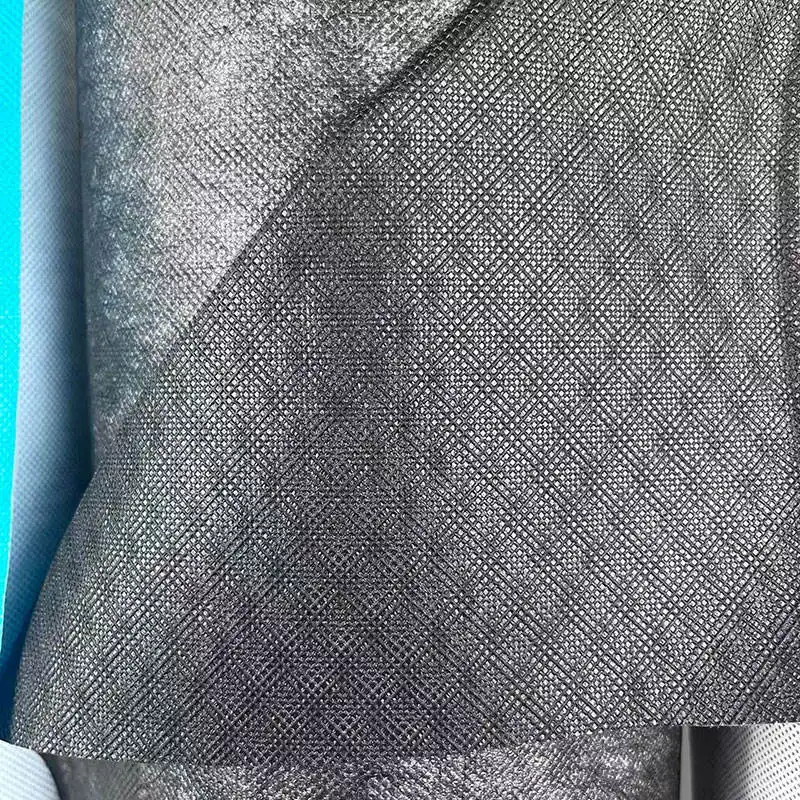
A 3 layer composite breathable waterproof membrane bonds three functions in one sheet: a protective skin, a core stopping bulk water, and a second skin carrying tensile load. Published data describes PP non-woven skins bonded either side of a PE film, with an Sd of 0.02 m or less. This guide covers the build, the published grade figures, and how specifiers pick a vapor permeable membrane grade — or a breathable roof underlay — for a given exposure.
Three layers, three jobs, one bonded sheet that behaves as a single membrane during installation. Each skin is a PP non-woven shielding the core from abrasion and UV during the exposure window. Skins are white, printed on one face so crews orient the roll. The middle layer is the vapor permeable membrane: a PE film resisting liquid water under hydrostatic head while letting vapor pass. Because the layers are bonded, the data describes the finished laminate. Comparing sheets for a 3 layer composite breathable waterproof membrane, the figures that move are hydrostatic resistance, tensile strength, and UV exposure; vapor performance holds constant, which makes a breathable roof underlay a system, not a film.
Figures from the three grade pages:
Light grade, 70–100 g/m²: 1,000 mm H₂O or more hydrostatic, 80 N/50 mm or more tensile, 3 months or more UV exposure.
Medium grade, 130–180 g/m²: 1,500 mm H₂O or more, 150 N/50 mm or more, 4 months or more UV exposure, assessed against EN 13859.
Heavy grade, 220–300 g/m²: 2,000 mm H₂O or more, 250 N/50 mm or more, 6 months or more UV exposure.
All three publish 30 percent elongation at break or more, width 1.5 m, CE marking, ISO 14001 certification, and a 10,000 m² minimum order. The vapor permeable membrane core does not change between grades; mass and strength do. That difference decides whether a breathable roof underlay survives a delayed programme; a 3 layer composite breathable waterproof membrane in the heavy grade tolerates more site traffic than a 70 g/m² build with thinner PP non-woven skins.
Damage between covering and cladding is the failure mode this product is built around: the sheet must survive weeks of site traffic before anything protects it. A single film has one chance: any puncture between covering and cladding attacks the only functional layer. In a 3 layer composite breathable waterproof membrane the outer PP non-woven absorbs that abuse, so the vapor permeable membrane keeps its published Sd and hydrostatic values until the building closes.
The skins also spread point loads. When a worker kneels on a batten line, load disperses through fiber rather than concentrating on film — which is why the heavy grade publishes 250 N/50 mm against 80 N/50 mm for the light build. A breathable roof underlay that survives installation keeps its declared performance; a damaged film quietly does not.
Grade selection follows the exposure calendar. Covering within days makes the light grade's 3-month UV window ample. Where cladding slips by weeks, the medium grade's 4-month window removes schedule risk. Where a roof stays open through a season, the heavy grade's 6-month window and 250 N/50 mm tensile strength justify the cost.
Wind uplift is the second variable: fixing spacing, batten type, and the tensile strength of the vapor permeable membrane decide whether the sheet stays taut. A 3 layer composite breathable waterproof membrane rated at 80 N/50 mm and one at 250 N/50 mm are not interchangeable at the same centres; every breathable roof underlay belongs to its own PP non-woven build.
Standard width 1.5 m, custom widths on request. Lap to specification, keep the printed face outward, avoid trapping debris. With Sd at or below 0.02 m the assembly dries outward, so sealing both faces with low-permeability materials defeats the intent.
Around openings, cut the 3 layer composite breathable waterproof membrane cleanly, dress it into the reveal, seal with compatible tape. Counter-battens hold the PP non-woven surface without compressing it at the fixing line, preserving drainage and the tensile performance of the vapor permeable membrane. Where a breathable roof underlay meets a ridge vent, keep the air path open.
Each shipment carries COA, TDS, and MSDS, plus CE and ISO 14001 scope. Request the batch COA and check hydrostatic and tensile values against the grade specified; a light grade supplied against a medium specification is a frequent substitution.
On a timber-frame project in northern Europe, delayed cladding pushed walls to the medium grade while roofs kept the heavy grade, fixed with counter-battens over 1.5 m rolls. The published minimum order for the 3 layer composite breathable waterproof membrane is 10,000 m², so single-house quantities come from stock. Confirm lead time, roll width, and pallet quantity, and require grade labelling on a vapor permeable membrane — a PP non-woven roof sheet order should name it, a breathable roof underlay enquiry should state exposure weeks.
No. The core is a PE film assessed from 1,000 mm H₂O upward, so water is held back while vapor passes at Sd 0.02 m or less — the working definition of a 3 layer composite breathable waterproof membrane.
The heavy grade, published with a 6-month UV window and 250 N/50 mm tensile strength. Where a vapor permeable membrane stays exposed longer, plan covering earlier.
Yes. A PP non-woven surface resists abrasion against mineral wool, and the sheet sits on the cold side. Keep every breathable roof underlay printed side out.

2026/11/20
How an APP waterproof membrane handles heat: 130°C softening point, torch application windows, overheating signs, summer storage, and thermal aging checks.

2026/11/20
The science of a breathable waterproof membrane: water vapor diffusion, Sd values, three grammage grades, water column resistance, and wrong-use cases.

2026/11/20
Single-ply or two-ply, every flat roof is a stack. See how a self adhesive waterproof membrane for roof systems handles base, cap, insulation and drains.

2026/11/20
How the polyester scrim sets tensile strength and dimensional stability of reinforced TPO membrane rolls, with welding, roll sizes and selection tips.

2026/11/20
How an aluminum foil coated bitumen waterproof membrane reflects solar radiation, lowers surface temperature, and what maintenance keeps savings alive.

2026/11/20
SBS modified bitumen waterproof membrane property groups: tensile strength, low-temperature flexibility, heat resistance, surface finishes, applications.
Links to the corresponding full news page.

The eight questions overseas buyers ask most — factory ownership, capacity, batch consistency and lead times, answered straight.

SBS membranes, polymer sheets, coatings and geomembranes — six product lines are operating simultaneously.

Pre-sales specification, on-site technical support and post-delivery maintenance across 100+ export markets.

Waterproofing performance is decided in the specification and the detailing, not just the material. Our technical team helps you select the right system, resolve site questions as they arise, and stay reachable long after the container lands.
