EN
 EN
- Home
-
Products
Products
-
Asphalt Waterproof Membrane
Asphalt Waterproof Membrane
- Polymer Waterproof Membrane
-
Waterproof Coating
Waterproof Coating
- Acrylic Waterproof Coating
- Transparent Waterproof Glue Coating
- Silicone Waterproof Coating
- Water-based Waterproof Coating
- Solvent & oil-based Waterproof Coating
- Liquid Membrane
- Polymer Cement-based(JS) Waterproof Coating
- Cementitious Capillary Crystalline Waterproof Coating
- Universal K11 Waterproof Coating
- Special Waterproof Coating For Metal Roof
-
Waterproof Tape
Waterproof Tape
-
Geotechnical Materials
Geotechnical Materials
-
Floor Coating
Floor Coating
-
Others Material
Others Material
-
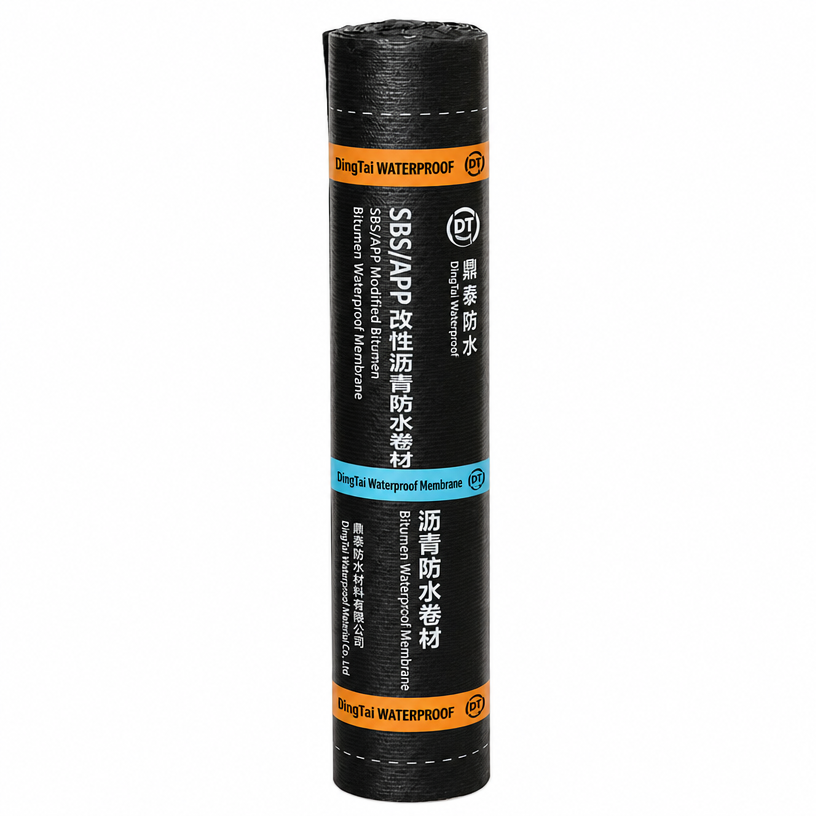
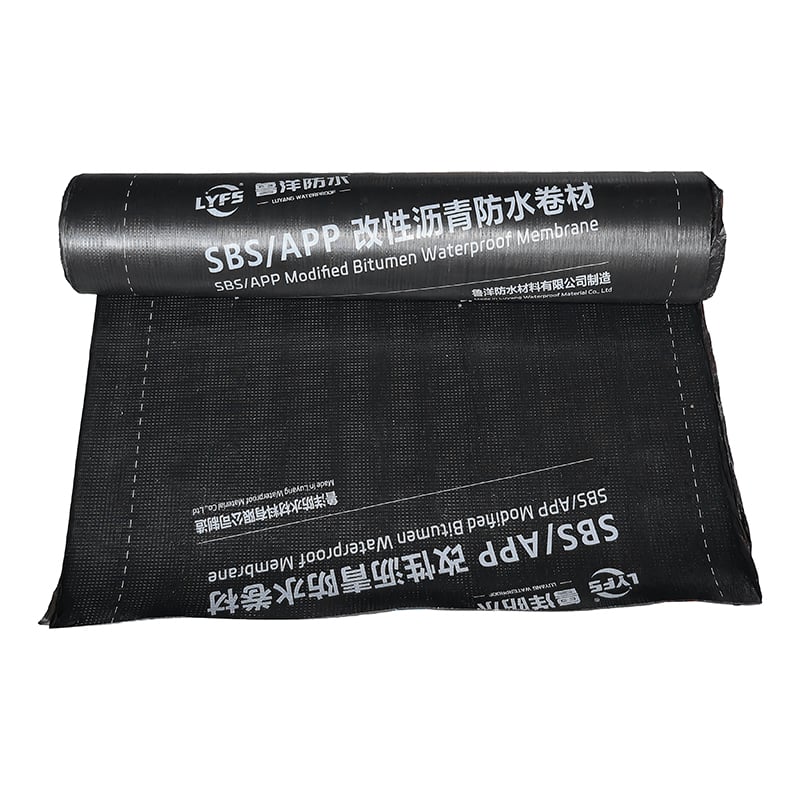
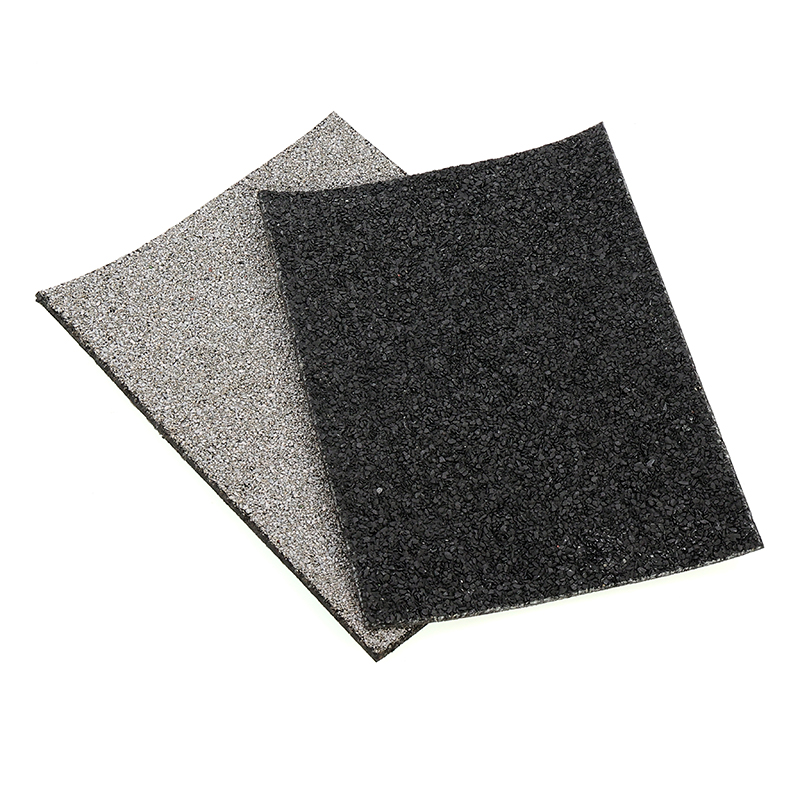
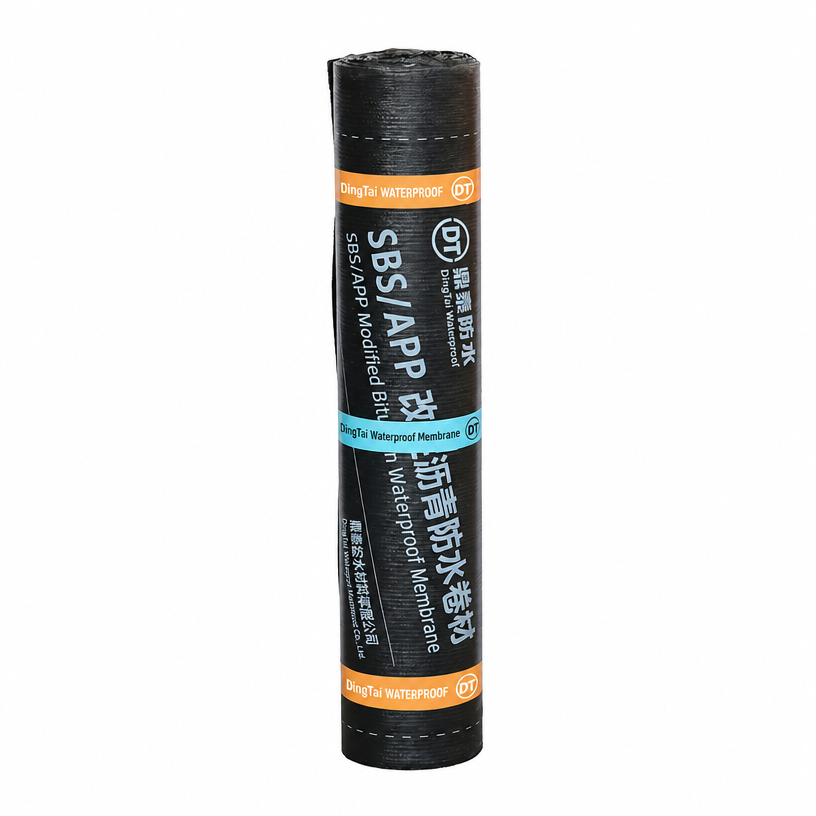
Asphalt Waterproof Membrane
- About Us
- Cases
- Services
- News
- Contact Us