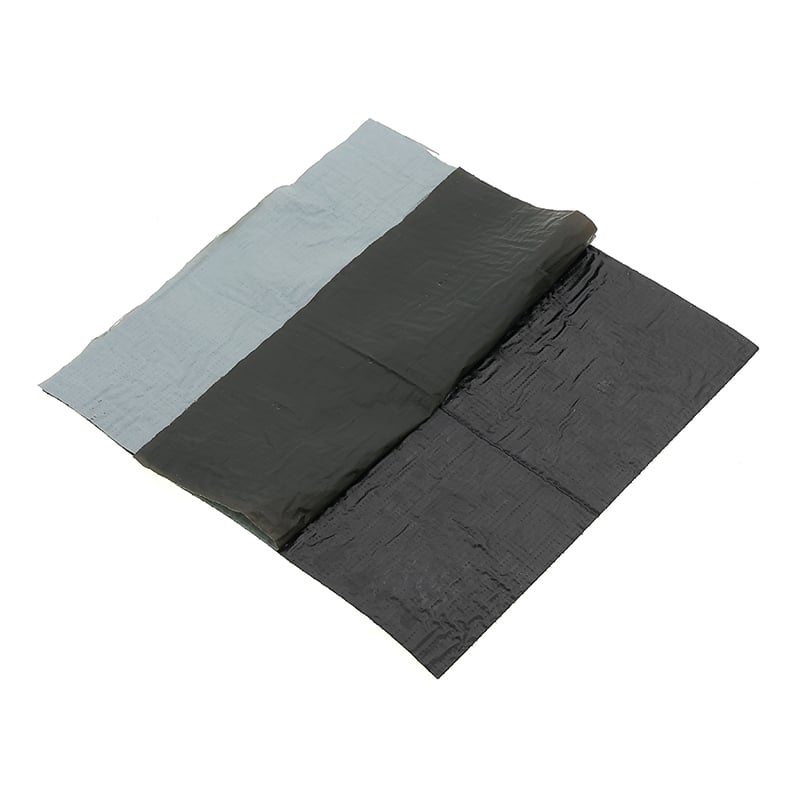
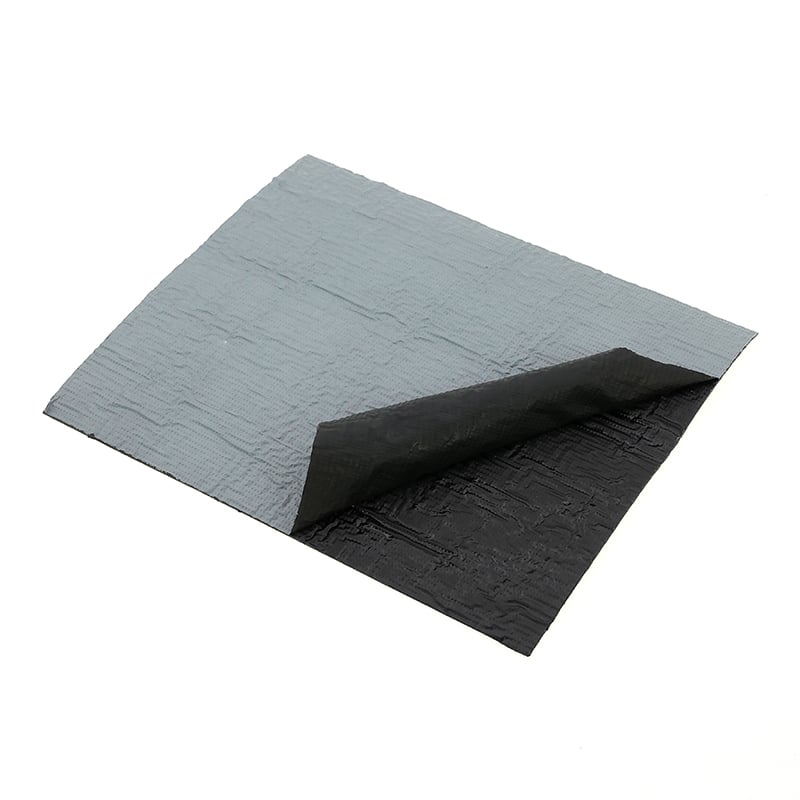
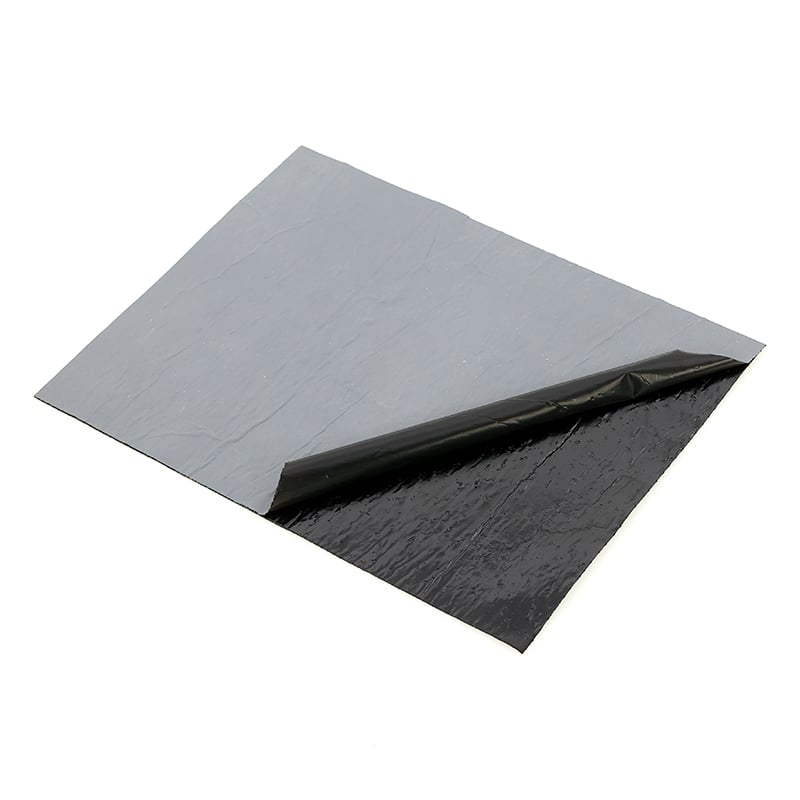
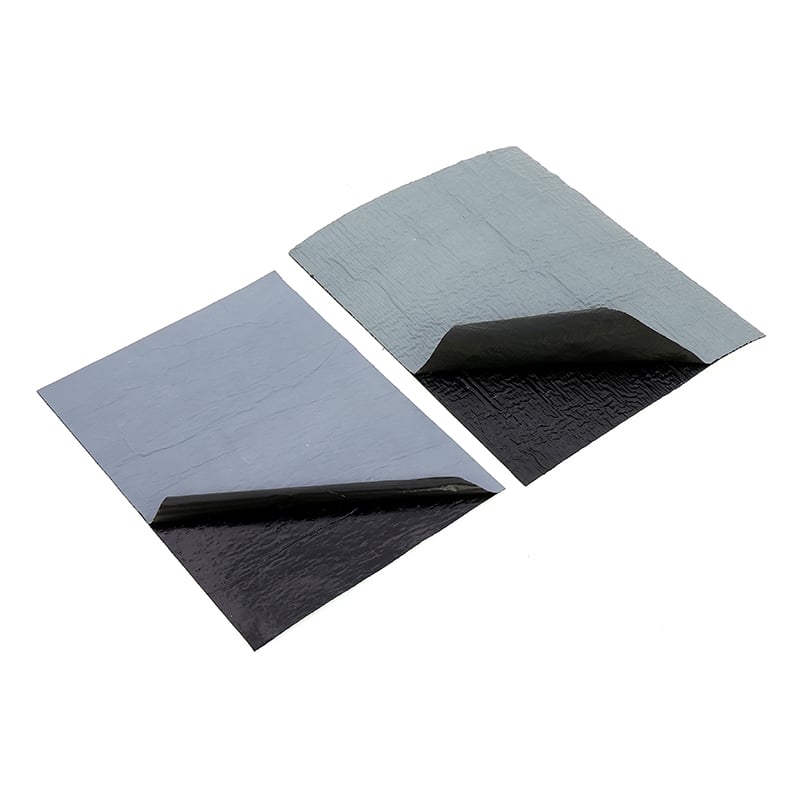
A self-adhesive waterproof membrane is a cold-applied, peel-and-stick waterproofing sheet built around a modified bitumen compound — most commonly SBS (styrene-butadiene-styrene) — laminated to a release liner on the underside. Installation requires no open flame, no torch, and no hot-applied asphalt: peel the liner and press the sheet onto a prepared substrate. The dual-compound construction places a durable SBS modified bitumen weathering layer on top and an aggressive pressure-sensitive adhesive compound on the bottom, forming an immediate bond to concrete, plywood, metal deck, and similar substrates.
For procurement specialists and contractors evaluating roofing and waterproofing materials, a self-adhesive waterproof membrane is often the only compliant solution in fire-restricted environments. Commercial interiors, underground garages, occupied retrofit sites, and jurisdictions with strict open-flame regulations all frequently mandate cold-applied installation — making this a requirement, not merely a convenience. Different countries maintain varying site safety rules around liquid propane torch operations, so confirming local fire regulations before specifying torch-applied alternatives is standard practice.
The current range includes four configurations: a 3 mm slate-granule exposed self-adhesive waterproof membrane (CE/ISO 9001, 20+ year design life, MOQ 500 m²), a 2.0 mm reflective aluminum foil variant, a 1.5 mm colored mineral sand option for pitched and exposed surfaces, and a 1.2 mm PE film version for interior and transition-layer applications. All carry CE marking and ISO 9001:2015 certification.