
 EN
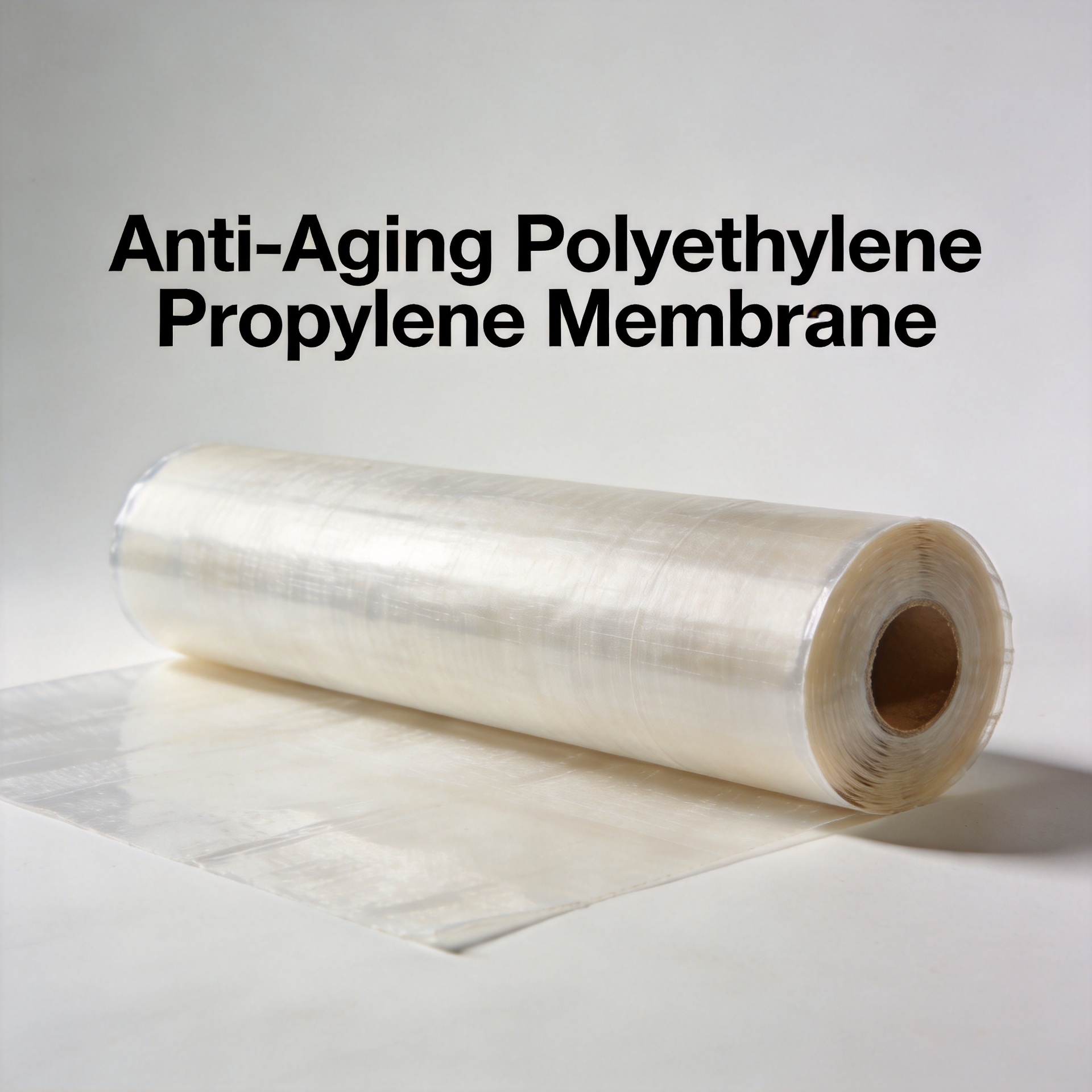
How Multi-Layer Composite Structure Defines an Anti-Aging Polyethylene Propylene Membrane
When property owners and project engineers look for a reliable waterproof barrier that balances mechanical strength with chemical stability, the anti-aging polyethylene propylene membrane stands out as a proven composite solution. Unlike single-layer sheets that rely solely on one material to handle both water resistance and structural tension, an anti-aging polyethylene propylene membrane is engineered with a specialized three-layer composite architecture. The center core consists of a high-density linear low-density polyethylene resin film that acts as an impermeable waterproof barrier, while both the upper and lower surfaces are thermally laminated with high-strength polypropylene nonwoven fabric. During the manufacturing process at Shandong Dingtai Waterproof Technology Co., Ltd. in Shouguang, specialized anti-aging stabilizers and oxidation inhibitors are blended directly into the polymer matrix. This multi-layer synergy ensures that the polyethylene polypropylene membrane remains flexible, tear-resistant, and dimensionally stable across decades of structural service.
Practical Field Experience with Wet Substrates and Polymer Cement Bonding
Drawing from extensive site guidance across residential bathrooms, subterranean basements, and commercial roofing projects, our technical team frequently encounters construction schedules delayed by damp concrete substrates. Traditional solvent-based or hot-melt membranes require completely dry surfaces, and trapped moisture often causes blistering or peeling within a single season. In contrast, field applications demonstrate that an anti-aging polyethylene propylene membrane solves this challenge through its rough nonwoven polypropylene outer fibers. Because these surface fibers form a three-dimensional mesh structure, installers can apply the anti-aging polyethylene propylene membrane directly onto moist, cured masonry or concrete using a modified polymer cement paste. As the cementitious adhesive cures, it penetrates deeply into the nonwoven fabric fibers, forming a permanent mechanical and chemical interlock. In real-world remodeling and civil reservoir projects, this cold-applied bonding method prevents hollowing, stops lateral water migration, and allows tile or mortar protective layers to be applied directly over the membrane without delamination.
Materials Expertise in Resisting Thermal Oxidation and Chemical Degradation
Understanding the long-term durability of a polyethylene polypropylene membrane requires examining how polymer chains react to environmental stressors over time. Standard plastic films degrade rapidly when exposed to heat, oxygen, and soil chemicals because free radicals break down their molecular bonds, leading to embrittlement and micro-cracking. To prevent this failure mode, a genuine anti-aging polyethylene propylene membrane incorporates virgin polyethylene resins fortified with thermal antioxidants and carbon or ultraviolet screening agents. The outer polypropylene nonwoven layers do more than facilitate cement bonding; they also serve as a physical cushion that shields the inner waterproof core from sharp aggregate punctures and structural friction. Furthermore, laboratory and engineering evaluations confirm that an anti-aging polyethylene propylene membrane exhibits strong resistance to soil acids, alkalis, salt corrosion, and mold growth, ensuring that the waterproof core maintains its elongation and water-tightness in harsh underground or indoor wet environments.
Industry Guidelines on Protective Screeds and Environmental Safety
According to established building envelope standards and civil waterproofing codes, matching a composite membrane to its proper installation environment is essential for maximizing service life. Authoritative construction guidelines emphasize that while an anti-aging polyethylene propylene membrane offers superior resistance to chemical aging and biological rot, composite nonwoven membranes perform best when integrated into a concealed or protected waterproofing system. Once the polyethylene polypropylene membrane is bonded to the substrate with polymer cement slurry, applying a thin cement mortar protective screed or ceramic tile finish shields the polypropylene fibers from prolonged direct sunlight and physical abrasion. Additionally, green building specialists recognize this composite roll as an environmentally friendly choice. Because the anti-aging polyethylene propylene membrane is odorless, non-toxic, and installed via cold cementitious bonding without open flames or volatile organic adhesives, it safely satisfies strict indoor air quality and drinking water containment requirements.
Transparent Quality Verification for Long-Term Waterproofing Reliability
For construction buyers, distributors, and contractors, securing a durable waterproof system starts with transparent factory verification and raw material traceability. On the market, low-grade rolls made from recycled plastics often lose their elasticity quickly and fail premature aging checks. When sourcing an anti-aging polyethylene propylene membrane, buyers should inspect the sheet for uniform thickness, firm lamination between the nonwoven fabric and the center film, and a smooth, pinhole-free core. At Shandong Dingtai Waterproof Technology Co., Ltd., our integrated research, production, and quality inspection workflows ensure every roll of polyethylene polypropylene membrane is extruded from high-grade polymers with verified anti-aging additives. By partnering with a transparent manufacturer and adhering to standard polymer cement installation practices, project teams can deploy an anti-aging polyethylene propylene membrane that delivers dependable, leak-free durability for the lifetime of the structure.
Frequently Asked Questions About Anti-Aging Polyethylene Propylene Membranes
Why is an anti-aging polyethylene propylene membrane suitable for damp concrete surfaces?
An anti-aging polyethylene propylene membrane features nonwoven polypropylene fabric on both sides, allowing it to be bonded with a water-based polymer cement adhesive. Unlike asphalt sheets that require dry surfaces, the cement paste cures naturally with moisture on the concrete substrate and locks tightly into the surface fibers of the membrane.
Does an anti-aging polyethylene propylene membrane require a protective layer after installation?
Yes, for optimal long-term durability, an anti-aging polyethylene propylene membrane should be covered with a cement mortar screed, soil backfill, or ceramic tiles after the adhesive cures. This protective covering prevents direct mechanical wear and extends the service life of the anti-aging polymer core for decades.
Where is a polyethylene polypropylene membrane most commonly used in construction?
Thanks to its non-toxic composition, chemical resistance, and strong bond with cement mortar, an anti-aging polyethylene propylene membrane is widely used in indoor kitchens and bathrooms, subterranean basements, swimming pools, municipal water channels, civil tunnels, and concealed roof waterproofing assemblies.










