 EN
APP Waterproof Membrane: High-Temperature Stability Guide
2026/11/20
How an APP waterproof membrane handles heat: 130°C softening point, torch application windows, overheating signs, summer storage, and thermal aging checks.

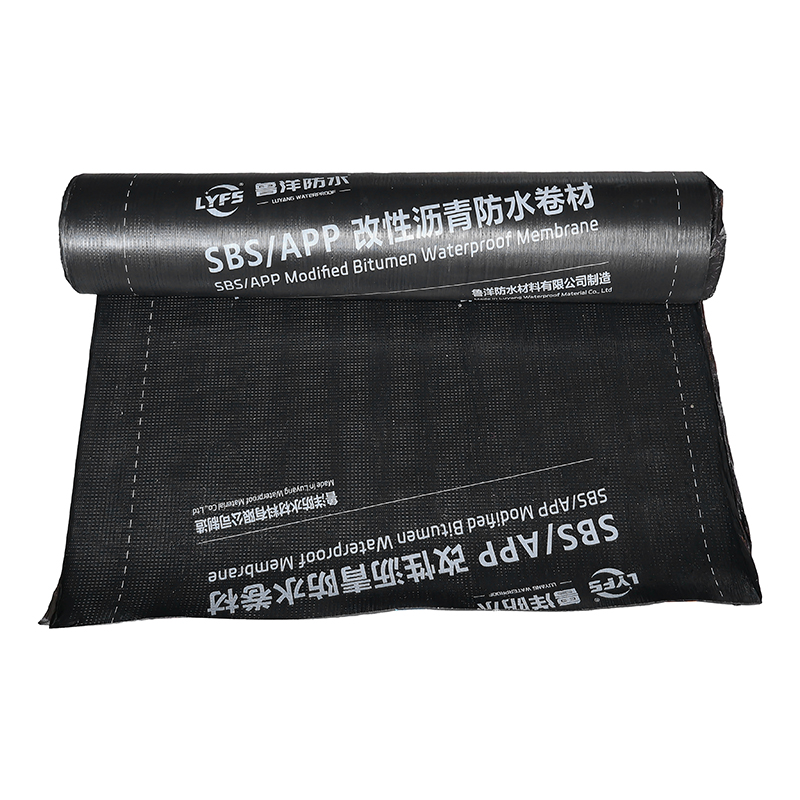
Selecting the right moisture barrier determines whether a commercial building stays dry for decades or suffers from costly structural leaks within a few seasons. Drawing from years of direct factory manufacturing and field support across large-scale roofing, subterranean basement, and municipal bridge projects, our technical team has observed how extreme sunlight and standing water destroy ordinary coatings. When contractors implement an APP Plastomeric Bitumen Waterproofing Membrane: Heat Weld system, they immediately solve the problem of premature material aging. Unlike standard asphalt sheets that soften and flow under intense summer sun, plastomeric membranes modified with atactic polypropylene maintain a stable, tough profile. In our daily project consultations with civil engineers and roofing contractors, we consistently recommend this heat-welded solution for flat concrete roofs, underground foundations, and highway bridge decks where long-term reliability and zero water penetration are non-negotiable project requirements.
Understanding why an APP Plastomeric Bitumen Waterproofing Membrane: Heat Weld product performs so reliably starts with its internal composite structure, which is surprisingly easy for any property owner or builder to grasp. At the heart of the sheet is high-grade asphalt blended with plastomeric polymers, specifically atactic polypropylene, which transforms sticky raw bitumen into a weather-resistant, UV-stable shield. During factory production, this modified asphalt compound is evenly coated onto a strong internal reinforcement carrier, typically a non-woven polyester mat or a dimensionally stable fiberglass core. You can think of this internal core as the steel rebar inside reinforced concrete: it prevents the waterproof sheet from tearing, shrinking, or warping when the building naturally settles. The bottom surface of the roll is finished with a thin, heat-sensitive polyethylene film designed specifically to melt cleanly during torch application, while the top surface can be tailored with fine sand, smooth polyethylene film, or protective mineral granules depending on whether the roof will remain exposed to sunlight or covered by concrete pavers.
Achieving a completely watertight envelope relies heavily on proper installation, which is why the APP Plastomeric Bitumen Waterproofing Membrane: Heat Weld method remains the gold standard among professional waterproofing crews. Before unrolling any membrane, installers must thoroughly clean the concrete deck, remove sharp dust or loose debris, and apply a uniform bituminous primer so the substrate bonds tightly with the sheet. Once the primer cures, the installer positions the roll and uses a specialized propane roofing torch to evenly heat the underside of the APP Plastomeric Bitumen Waterproofing Membrane: Heat Weld roll. As the flame sweeps across the lower surface, the thin polyethylene release film disappears and the plastomeric bitumen compound softens into a rich, molten adhesive layer. Rolling the heated sheet forward while applying steady downward pressure fuses the membrane directly into the primed concrete surface, expelling trapped air pockets and creating an inseparable mechanical and thermal bond that water simply cannot bypass.
Modern civil engineering guidelines and international waterproofing codes consistently emphasize that material quality must be paired with monolithic seam integrity to prevent structural deterioration. Industry specialists and building envelope consultants recognize the APP Plastomeric Bitumen Waterproofing Membrane: Heat Weld technique because it eliminates the weakest link found in traditional roofing: glued or taped lap joints that peel apart over time. According to established construction practices for flat roofs and subterranean structures, overlapping the edges of adjacent sheets and fusing them together with controlled torch heat creates a single, continuous waterproof blanket across the entire deck. When a skilled technician heats the overlapping seam until a small, continuous bead of molten bitumen appears along the edge, it provides clear visual proof that the joint is fully sealed. This authoritative, time-tested verification method gives project inspectors, architects, and facility managers complete confidence that the structure is protected against hydrostatic pressure, thermal expansion, and severe seasonal weather cycles.
Investing in a genuine APP Plastomeric Bitumen Waterproofing Membrane: Heat Weld system delivers measurable financial value by drastically reducing lifecycle maintenance and unexpected repair downtime for building owners. From a transparent manufacturing perspective, not all bituminous rolls on the market share the same polymer saturation or carrier uniformity, which is why sourcing directly from an experienced factory with strict raw material inspection is critical. A properly formulated plastomeric membrane resists ultraviolet radiation, withstands high ambient roof temperatures without sliding on sloped parapets, and tolerates foot traffic during routine equipment maintenance. For projects located in regions where open flames are restricted or where specialized hybrid detailing is required around delicate pipes, engineers can also pair torch-applied main areas with compatible self-adhesive asphalt waterproof membranes from the same factory system. By choosing verified materials and following clear heat-welding protocols, contractors and property owners secure a trustworthy, leak-free infrastructure asset built to last.
If your project is located in a warm, sunny, or temperate region, or involves an exposed flat roof, parking deck, bridge, or concrete foundation that demands superior heat and UV resistance, an APP Plastomeric Bitumen Waterproofing Membrane: Heat Weld system is the ideal choice. Because plastomeric polymers hold their shape under strong solar heat and torch welding creates permanent seams, it outperforms ordinary liquid coatings on rough concrete surfaces. For extremely freezing environments or flame-restricted zones, you can consult our factory team to compare SBS elastomeric or self-adhesive membrane options.
The most reliable indicator of a successful heat weld is the uniform melt of the bottom film and a continuous, small flow of molten bitumen squeezed out along the overlapped edge as the roll is pressed down. Installers should avoid overheating a single spot, which can scorch the internal reinforcement core, and instead move the propane torch in a smooth, side-to-side motion. Ensuring that the concrete surface is completely dry, primed, and free of dust before torching will guarantee maximum adhesion across the entire waterproof layer.
Once the freshly torched APP Plastomeric Bitumen Waterproofing Membrane: Heat Weld layer cools down to ambient temperature, it solidifies into a tough, durable surface that easily handles normal inspection foot traffic. If the roof will be used regularly as a walkable terrace or equipment platform, selecting a mineral granule surfaced membrane or adding a protective concrete screed or tile layer on top will further extend the service life of the waterproofing system.

2026/11/20
How an APP waterproof membrane handles heat: 130°C softening point, torch application windows, overheating signs, summer storage, and thermal aging checks.

2026/11/20
The science of a breathable waterproof membrane: water vapor diffusion, Sd values, three grammage grades, water column resistance, and wrong-use cases.

2026/11/20
Single-ply or two-ply, every flat roof is a stack. See how a self adhesive waterproof membrane for roof systems handles base, cap, insulation and drains.

2026/11/20
How the polyester scrim sets tensile strength and dimensional stability of reinforced TPO membrane rolls, with welding, roll sizes and selection tips.

2026/11/20
How an aluminum foil coated bitumen waterproof membrane reflects solar radiation, lowers surface temperature, and what maintenance keeps savings alive.

2026/11/20
SBS modified bitumen waterproof membrane property groups: tensile strength, low-temperature flexibility, heat resistance, surface finishes, applications.
Links to the corresponding full news page.

The eight questions overseas buyers ask most — factory ownership, capacity, batch consistency and lead times, answered straight.

SBS membranes, polymer sheets, coatings and geomembranes — six product lines are operating simultaneously.

Pre-sales specification, on-site technical support and post-delivery maintenance across 100+ export markets.

Waterproofing performance is decided in the specification and the detailing, not just the material. Our technical team helps you select the right system, resolve site questions as they arise, and stay reachable long after the container lands.
