 EN
APP Waterproof Membrane: High-Temperature Stability Guide
2026/11/20
How an APP waterproof membrane handles heat: 130°C softening point, torch application windows, overheating signs, summer storage, and thermal aging checks.

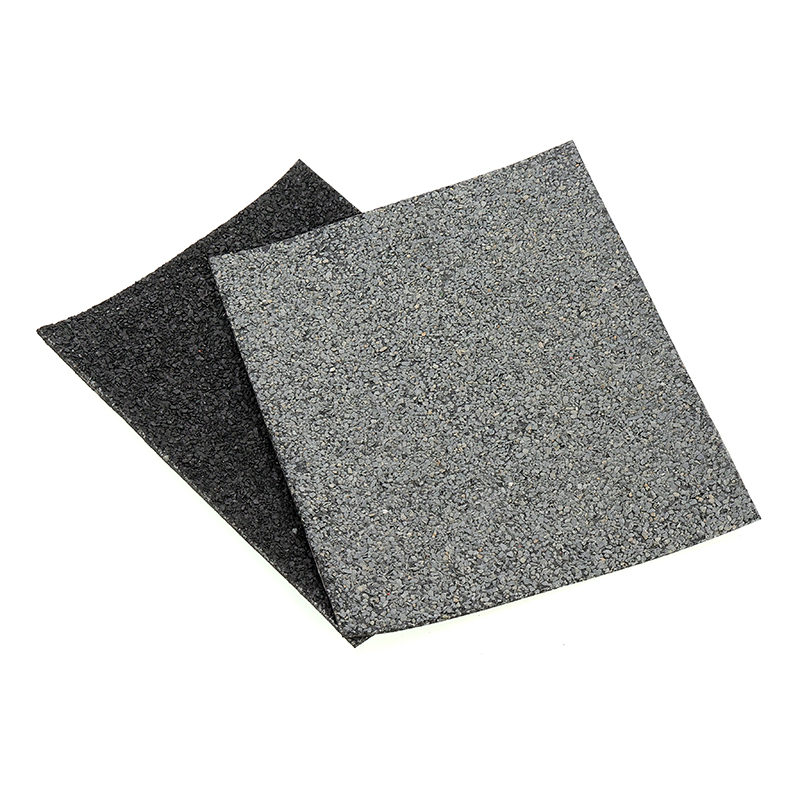
Two rolls can leave the same plant with the same reinforcement and thickness, and only one belongs on your roof. The modifier decides which. This comparison treats the bitumen waterproofing membrane as a specification question: climate sets the first filter, roof form the second, and the crew's method statement the third. A buyer weighing an SBS modified bitumen membrane against its APP counterpart is weighing two temperature stories.
A roof lives between two numbers: the coldest night the structure will see and the hottest surface it will reach. Cold arrives as contraction at every lap, so a sheet that stiffens below freezing pushes movement into the seam. A bitumen waterproofing membrane must therefore be chosen for the cold end first. The -25°C low temperature flexibility published for an SBS modified bitumen membrane is the figure to defend. In a hot-arid market, the 130°C softening point of an APP modified bitumen membrane answers the opposite question, and cold performance is secondary.
Roof form decides where the sheet sits, what reaches it, and how the finished surface is detailed. Where a bitumen waterproofing membrane is the finished surface, sunlight, hail and foot traffic land on it, so the cap sheet must carry UV resistance. An APP modified bitumen membrane suits that exposed duty in hot regions. Under a screed, pavers or ballast the sun does not reach it, elongation outranks hardness, and an SBS modified bitumen membrane with at least 40 percent elongation can follow slab movement. Pitched decks invert the logic: the sheet becomes an underlay against water backing up at tile laps, where low temperature flexibility matters more than a tough face, and a torch applied membrane details a ridge more easily than a wide sheet.
A specification that cannot be installed is a drawing, not a roof. Torch work needs a hot work permit, a fire watch, dry substrate and open area for a safe flame path, which suits large flat decks. Cold-storage work ranks low temperature flexibility above heat resistance. The same APP modified bitumen membrane also accepts cold adhesive, so it travels to occupied buildings and sites where flame is barred, and that range is why many specifiers keep one grade for the whole roof. On either route, laps of 80 to 100mm decide the result, and a torch applied membrane is no more forgiving of a short lap than a cold-bonded one. A contractor adding a cold-store extension near a -20°C winter design line used an SBS modified bitumen membrane on the exposed deck, kept flame work to the open half of the site, and left the plant-room details to a cold-applied strip.
Published data gives two thresholds, and both describe the sheet rather than the torch applied membrane that fuses it. The SBS sheet reaches at least 800 N/50mm tensile strength, 40 percent elongation, -25°C low temperature flexibility and 90°C heat resistance in 3mm, 4mm and 5mm grades under GB 18242 and EN 13707. The APP modified bitumen membrane reaches at least 600 N/50mm tensile, 25 percent elongation, 130°C softening and -5°C or -10°C cold flexibility. Read both as a floor: a 600 N bitumen waterproofing membrane fused at every lap outperforms an 800 N sheet laid on a damp deck, because strength in the roll says nothing about adhesion. A torch applied membrane with weak laps fails the same way.
Most disputes trace to a certificate covering a product range rather than a roll. EN 13707 and GB 18242 results are thickness-specific, so a 3mm approval does not transfer to a 5mm delivery of the same bitumen waterproofing membrane. Ask for the report naming the grade, and check the surfacing, since a PE film sheet and a mineral sheet of one compound behave very differently once exposed. The second trap is reading "modified" as "suitable": an APP modified bitumen membrane and an SBS modified bitumen membrane are both modified, and they diverge at the extremes. Low temperature flexibility and softening point, both named in the specification, close that gap, and a torch applied membrane still needs the right primer beneath it.
Some projects sit in both camps, such as a plateau with intense summer sun and a hard winter. There the APP modified bitumen membrane's heat resistance conflicts with its limited cold flexibility, so a single-polymer answer becomes a compromise. One route is an SBS modified bitumen membrane base under a UV-stable cap, trading softening point for low temperature flexibility that keeps seams intact. The other honest answer is to leave the family: where a roof needs reflectivity and cold flexibility together, a single-ply or liquid system may serve better, even where the bitumen waterproofing membrane has a long record. A torch applied membrane remains the economical choice when one climate clearly dominates.
Yes, if they meet at a proper lap rather than a butt joint and share a compatible primer. Mixing grades within one field creates a warranty argument few suppliers will settle in the client's favour.
Not necessarily. An APP modified bitumen membrane wins on softening point and UV exposure, but a roof that also sees hard frost may still need an SBS modified bitumen membrane at the seams. Check winter design temperature first.
No. Thickness adds puncture and wear resistance and changes nothing about bending at -25°C or flowing at 130°C. A 5mm bitumen waterproofing membrane of the wrong modifier still fails at the wrong end of the thermometer.

2026/11/20
How an APP waterproof membrane handles heat: 130°C softening point, torch application windows, overheating signs, summer storage, and thermal aging checks.

2026/11/20
The science of a breathable waterproof membrane: water vapor diffusion, Sd values, three grammage grades, water column resistance, and wrong-use cases.

2026/11/20
Single-ply or two-ply, every flat roof is a stack. See how a self adhesive waterproof membrane for roof systems handles base, cap, insulation and drains.

2026/11/20
How the polyester scrim sets tensile strength and dimensional stability of reinforced TPO membrane rolls, with welding, roll sizes and selection tips.

2026/11/20
How an aluminum foil coated bitumen waterproof membrane reflects solar radiation, lowers surface temperature, and what maintenance keeps savings alive.

2026/11/20
SBS modified bitumen waterproof membrane property groups: tensile strength, low-temperature flexibility, heat resistance, surface finishes, applications.
Links to the corresponding full news page.

The eight questions overseas buyers ask most — factory ownership, capacity, batch consistency and lead times, answered straight.

SBS membranes, polymer sheets, coatings and geomembranes — six product lines are operating simultaneously.

Pre-sales specification, on-site technical support and post-delivery maintenance across 100+ export markets.

Waterproofing performance is decided in the specification and the detailing, not just the material. Our technical team helps you select the right system, resolve site questions as they arise, and stay reachable long after the container lands.
