 EN
APP Waterproof Membrane: High-Temperature Stability Guide
2026/11/20
How an APP waterproof membrane handles heat: 130°C softening point, torch application windows, overheating signs, summer storage, and thermal aging checks.

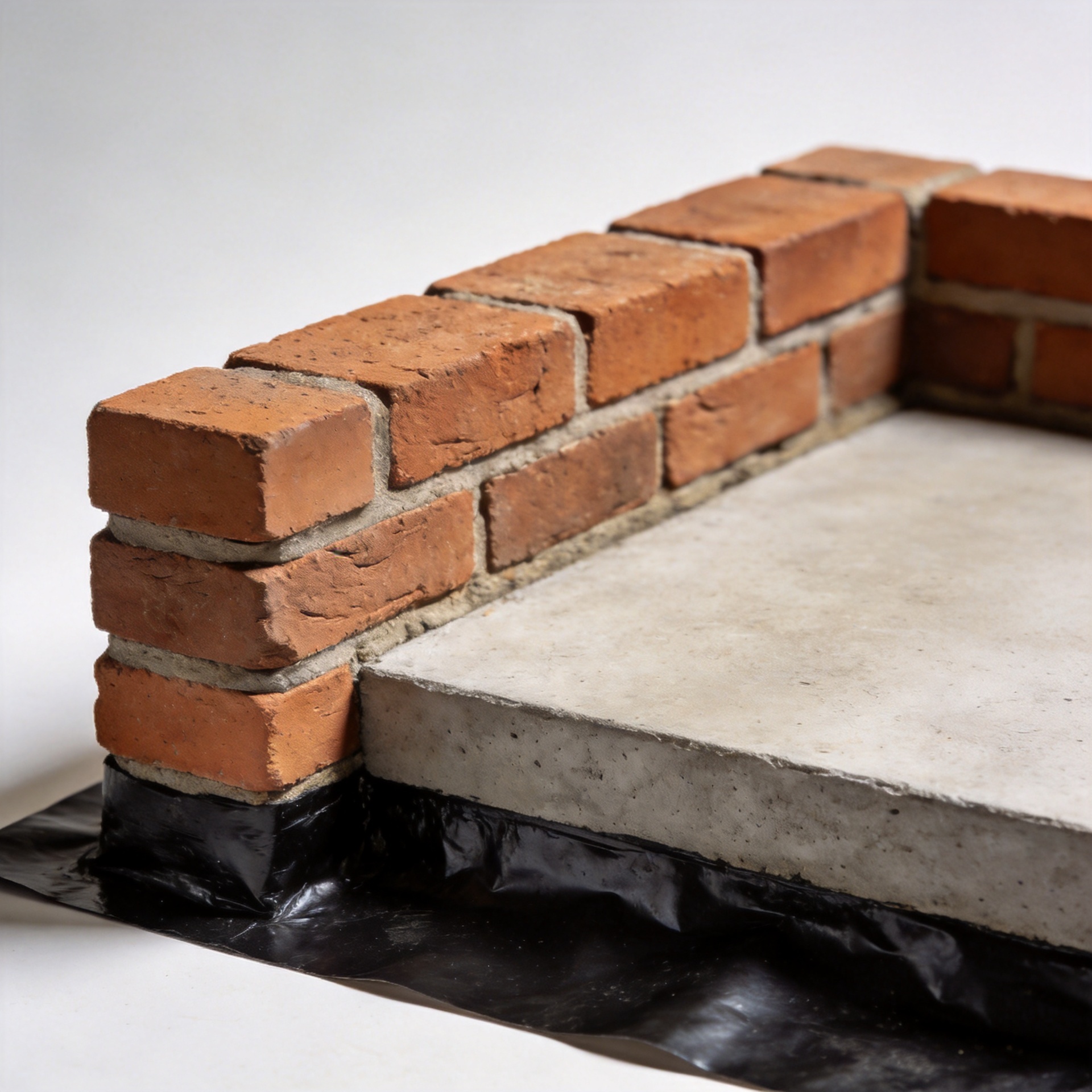
Rising damp and sub-surface moisture migration represent significant structural challenges for modern ground-level concrete slabs. When concrete is poured directly over unconditioned soil or coarse aggregate bases, capillary action naturally draws ground moisture upward into porous masonry and concrete structures. This continuous moisture transmission can compromise structural stability, damage floor finishes, and promote toxic indoor mold growth. Installing a high-performance Bitumen-Polymer DPC layer creates an impenetrable physical barrier beneath the concrete base. Polymer-modified bituminous materials combine high-tensile polymer networks with elastomeric asphalt compounds to block vapor diffusion and liquid water transfer even under continuous hydrostatic pressure. Engineering experience shows that thorough sub-grade preparation paired with a continuous membrane placement prevents efflorescence, concrete matrix degradation, and chronic interior dampness over the multi-decade lifecycle of the building foundation.
Selecting the right physical barrier requires understanding how polymer modification enhances traditional bituminous compounds. Standard asphalt materials can gradually harden, oxidise, or crack under continuous ground shear forces, soil acidity, and dynamic thermal shifts. By incorporating high-grade polymer modifiers such as SBS (Styrene-Butadiene-Styrene) or APP (Atactic Polypropylene), a Bitumen-Polymer DPC achieves superior multidirectional elasticity, puncture resistance, and cold-flexibility. This modified bitumen barrier remains resilient across extreme temperature variations without becoming brittle or soft. Consequently, when structural concrete slabs shift, settle, or undergo micro-cracking due to soil movements, the pliable Bitumen-Polymer DPC stretches dynamically without tearing, puncture, or compromising its watertight seal around underlying sub-base aggregates and foundation footings.
A successful below-slab damp proofing installation relies heavily on proper substrate preparation long before unrolling any membrane materials. The aggregate sub-base must be thoroughly compacted, mechanically leveled, and completely free from sharp protruding stones, organic debris, or standing site water. Applying a compatible bituminous primer over clean concrete blinding layers ensures strong interfacial bonding for torch-applied or self-adhesive damp proofing membranes. Technical site engineers strongly recommend inspecting all planned lap joints, internal corners, and mechanical pipe penetrations prior to membrane unrolling. Establishing a clean, dry, and uniform substrate allows the Bitumen-Polymer DPC to lay completely flat without air pockets or stress points, minimizing the risk of accidental mechanical damage when heavy steel reinforcement rebar grids are assembled directly above the protective barrier.
Executing a completely leak-free below-slab damp proofing system demands strict adherence to professional roll layout standards and continuous quality control. Unroll the Bitumen-Polymer DPC sheets along the designated layout line, allowing all rolls sufficient time to relax and relieve internal manufacturing tension prior to final position alignment. Side laps must maintain a continuous minimum overlap of 100 mm, while end laps require at least 150 mm to guarantee permanent moisture resistance across all sheet intersections. Overlaps are securely bonded using precision heat-torch welding or self-adhesive cold-lap sealing techniques according to specific engineering project requirements. All vertical wall terminations, grade beams, and plumbing pipe penetrations must be detail-flashed with dedicated elastomeric bitumen strips to prevent bypass leaks, ensuring continuous, seamless envelope protection across the entire sub-slab footprint.
Below-slab waterproofing membranes operate under extreme mechanical stress during both the construction phase and the operational lifetime of the facility. During concrete placement, heavy construction equipment, worker foot traffic, and sharp steel reinforcement chairs exert intense localized pressure against the underlying moisture barrier. A premium Bitumen-Polymer DPC features heavy-duty non-woven polyester or fiberglass reinforcement embedded within its polymer-modified asphalt matrix, providing exceptionally high tensile strength and tear resistance. This robust internal reinforcement prevents sharp aggregate edges from puncturing the membrane under structural slab loads. Furthermore, the viscoelastic nature of the Bitumen-Polymer DPC compound allows the material to self-seal around minor point loadings, protecting the building interior against long-term subterranean vapor intrusion.
Before pouring concrete over your installed barrier, conduct a rigorous quality control evaluation to verify complete system continuity and water tightness. Qualified technical inspectors should visually audit every seam weld, lap joint, vertical termination, and perimeter wall junction for tight seals and zero fishmouth gaps. Any accidental punctures or gouges caused during steel rebar positioning should be immediately repaired using a generous Bitumen-Polymer DPC patch extending at least 100 mm beyond all edges of the damaged zone. Once the concrete pour and curing processes are completed, the fully encapsulated Bitumen-Polymer DPC barrier remains permanently protected within the structural foundation, delivering zero-maintenance performance and reliable resistance against rising capillary dampness for the entire operational life of the structure.
Bitumen-Polymer DPC provides significantly higher puncture resistance, structural elasticity, thermal stability, and long-term durability than thin polyethylene sheets. Its polymer-modified asphalt core easily withstands aggregate pressure, soil chemicals, and heavy rebar installation without tearing or degrading over time.
Standard structural installation protocol requires side laps to be overlapped by at least 100 mm and end laps by a minimum of 150 mm. All lap joints must be fully hot-air welded, torch-sealed, or pressure-bonded using compatible lap tapes to maintain continuous moisture protection.
No, the sub-base should be fully compacted, smooth, clean, and free of standing water or sharp debris. Installing over dry, smooth blinding layers prevents membrane punctures, eliminates pockets of trapped moisture, and ensures maximum adhesive bonding to the substrate.

2026/11/20
How an APP waterproof membrane handles heat: 130°C softening point, torch application windows, overheating signs, summer storage, and thermal aging checks.

2026/11/20
The science of a breathable waterproof membrane: water vapor diffusion, Sd values, three grammage grades, water column resistance, and wrong-use cases.

2026/11/20
Single-ply or two-ply, every flat roof is a stack. See how a self adhesive waterproof membrane for roof systems handles base, cap, insulation and drains.

2026/11/20
How the polyester scrim sets tensile strength and dimensional stability of reinforced TPO membrane rolls, with welding, roll sizes and selection tips.

2026/11/20
How an aluminum foil coated bitumen waterproof membrane reflects solar radiation, lowers surface temperature, and what maintenance keeps savings alive.

2026/11/20
SBS modified bitumen waterproof membrane property groups: tensile strength, low-temperature flexibility, heat resistance, surface finishes, applications.
Links to the corresponding full news page.

The eight questions overseas buyers ask most — factory ownership, capacity, batch consistency and lead times, answered straight.

SBS membranes, polymer sheets, coatings and geomembranes — six product lines are operating simultaneously.

Pre-sales specification, on-site technical support and post-delivery maintenance across 100+ export markets.

Waterproofing performance is decided in the specification and the detailing, not just the material. Our technical team helps you select the right system, resolve site questions as they arise, and stay reachable long after the container lands.
