 EN
APP Waterproof Membrane: High-Temperature Stability Guide
2026/11/20
How an APP waterproof membrane handles heat: 130°C softening point, torch application windows, overheating signs, summer storage, and thermal aging checks.

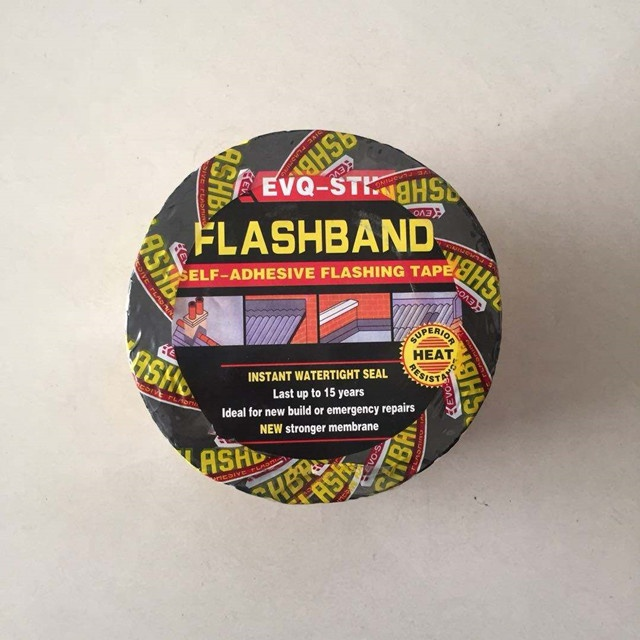
An aged roof rarely fails where the drawing says it should. Water reaches a ceiling stain by travelling down a lap, behind a trim, or past a fastener that backed out years ago, several metres upslope. The surface has changed too: bitumen has weathered, granules have gone, and the face that once held adhesive now behaves like chalk. A bitumen tape for roof repairs has to deal with that face before it can reach the leak.
Ultraviolet light drives oxidation, lighter fractions leave, and the compound hardens into a brittle skin. Granules loosen and wash away, so exposed bitumen takes more sun and hairline cracks open. Earlier repairs leave incompatible patches, and a bitumen tape for roof repairs laid here grips powder rather than bitumen.
A palm rubbed across the surface tells the story: white dust means an oxidised layer sits between adhesive and sound material. Where a fingernail lifts crumbs, a self adhesive bitumen tape has nothing to hold. The bitumen flashing tape pressed over it peels at the first freeze, and roof flashing tape cannot substitute for preparation.
Stiff brushing removes loose granule and chalk; a scraper takes off what the brush lifts. Water jetting drives moisture into cracks a repair must close, so work dry and back to sound material. Primer penetrates the dust layer, re-wets oxidised bitumen, and leaves a tacky film that flashing tape can wet out across its width. No bitumen flashing tape compensates for a dusty face.
Solvent-based primer suits old surface and new compound alike. Let it flash off until tacky, because a wet film traps solvent, and a bitumen tape for roof repairs then lifts within weeks. The same discipline applies to roof flashing tape on any deck: dry substrate first, pressure second.
Old roofs carry layers. A bitumen flashing tape bonds to oxidised asphalt, SBS-modified membrane and APP-modified sheet, since all share a bituminous base. It will not bond to silicone, acrylic or polyurethane coating, and no primer helps. A solvent-wet rag shows which: bitumen smears, silicone stays rubbery.
Where the existing membrane is blistered, roof repair tape stops at the edge of sound material instead of bridging the void. A strip across a blister looks sealed and pumps water under foot, while tape over a soft edge follows it down. A bitumen tape for roof repairs belongs on sound material.
Closing an active leak so a building stays dry through the next storm is a bridge, and roof flashing tape does that when the defect has defined edges: a lifted lap, a failed bead, a backed-out fastener, a split at a change of plane.
Restoring the roof is another scope. It begins when the deck is saturated, the field is blistered, or the same detail has been patched twice in two seasons. A permanent repair on a weathered roof usually means a recover, with a bitumen tape for roof repairs kept for what a new membrane cannot cover, and roof repair tape used only where a lap still moves.
At a ridge cap the strip crosses a line that moves with thermal cycling and takes direct sun, so the foil-faced grade is the sensible choice: 1.5mm, widths 100mm to 600mm, rolls 7.5m to 20m, peel adhesion at least 1.5 N/mm, tensile strength at least 400 N/50mm, flexibility to -20°C and water tightness at 0.3 MPa. Aluminium reflects solar load and shields the compound, which is why roof flashing tape with a foil face outlasts a plain strip here.
Covered details take the PE-film grade, a 1.2mm bitumen flashing tape of 50mm to 300mm, custom to 1000mm, rated 1.2 N/mm and 300 N/50mm. It sits under counterflashing and accepts mortar, and roof repair tape of this grade follows a pipe collar better than foil. On metal upstands that move, a butyl grade rated from -40°C to +70°C keeps tack where bitumen hardens.
Every run needs a mechanical finish: a clamped bar or counterflashing lap holds the termination while adhesive seals it. A bitumen flashing tape too narrow for the detail leaves the lap edge exposed. Roll from the centre outward so air is pushed ahead rather than trapped.
A facilities team responsible for low-rise industrial units worked through a roof of mixed ages. The oldest bays had chalked to exposed bitumen, and earlier repairs carried three kinds of sealant. The crew brushed and scraped each defect, primed the oxidised face, and let it tack before laying strips. Ridge caps took foil-faced roof flashing tape; covered laps took Shandong Dingtai Waterproof's PE grade. Interiors stayed dry, and the photographs helped the team argue for a recover rather than another season of bitumen tape for roof repairs. Their lead now orders roof repair tape by exposure line rather than width.
No. Chalk is dead material. Brush back to sound bitumen, prime, and only then lay the tape, or the bond fails on the first cold night.
Exposure and movement set the limit rather than the strip. A covered detail on a stable deck lasts far longer than a sun-facing ridge line. Treat an exposed bitumen tape for roof repair as a bridge with a review date.
The foil-faced 1.5mm bitumen flashing tape, because the metal face handles ultraviolet load and the SBS compound absorbs thermal movement. Keep it off a hot, dark panel and work early. Roof flashing tape with a foil face also takes foot traffic at the ridge.

2026/11/20
How an APP waterproof membrane handles heat: 130°C softening point, torch application windows, overheating signs, summer storage, and thermal aging checks.

2026/11/20
The science of a breathable waterproof membrane: water vapor diffusion, Sd values, three grammage grades, water column resistance, and wrong-use cases.

2026/11/20
Single-ply or two-ply, every flat roof is a stack. See how a self adhesive waterproof membrane for roof systems handles base, cap, insulation and drains.

2026/11/20
How the polyester scrim sets tensile strength and dimensional stability of reinforced TPO membrane rolls, with welding, roll sizes and selection tips.

2026/11/20
How an aluminum foil coated bitumen waterproof membrane reflects solar radiation, lowers surface temperature, and what maintenance keeps savings alive.

2026/11/20
SBS modified bitumen waterproof membrane property groups: tensile strength, low-temperature flexibility, heat resistance, surface finishes, applications.
Links to the corresponding full news page.

The eight questions overseas buyers ask most — factory ownership, capacity, batch consistency and lead times, answered straight.

SBS membranes, polymer sheets, coatings and geomembranes — six product lines are operating simultaneously.

Pre-sales specification, on-site technical support and post-delivery maintenance across 100+ export markets.

Waterproofing performance is decided in the specification and the detailing, not just the material. Our technical team helps you select the right system, resolve site questions as they arise, and stay reachable long after the container lands.
