 EN
APP Waterproof Membrane: High-Temperature Stability Guide
2026/11/20
How an APP waterproof membrane handles heat: 130°C softening point, torch application windows, overheating signs, summer storage, and thermal aging checks.

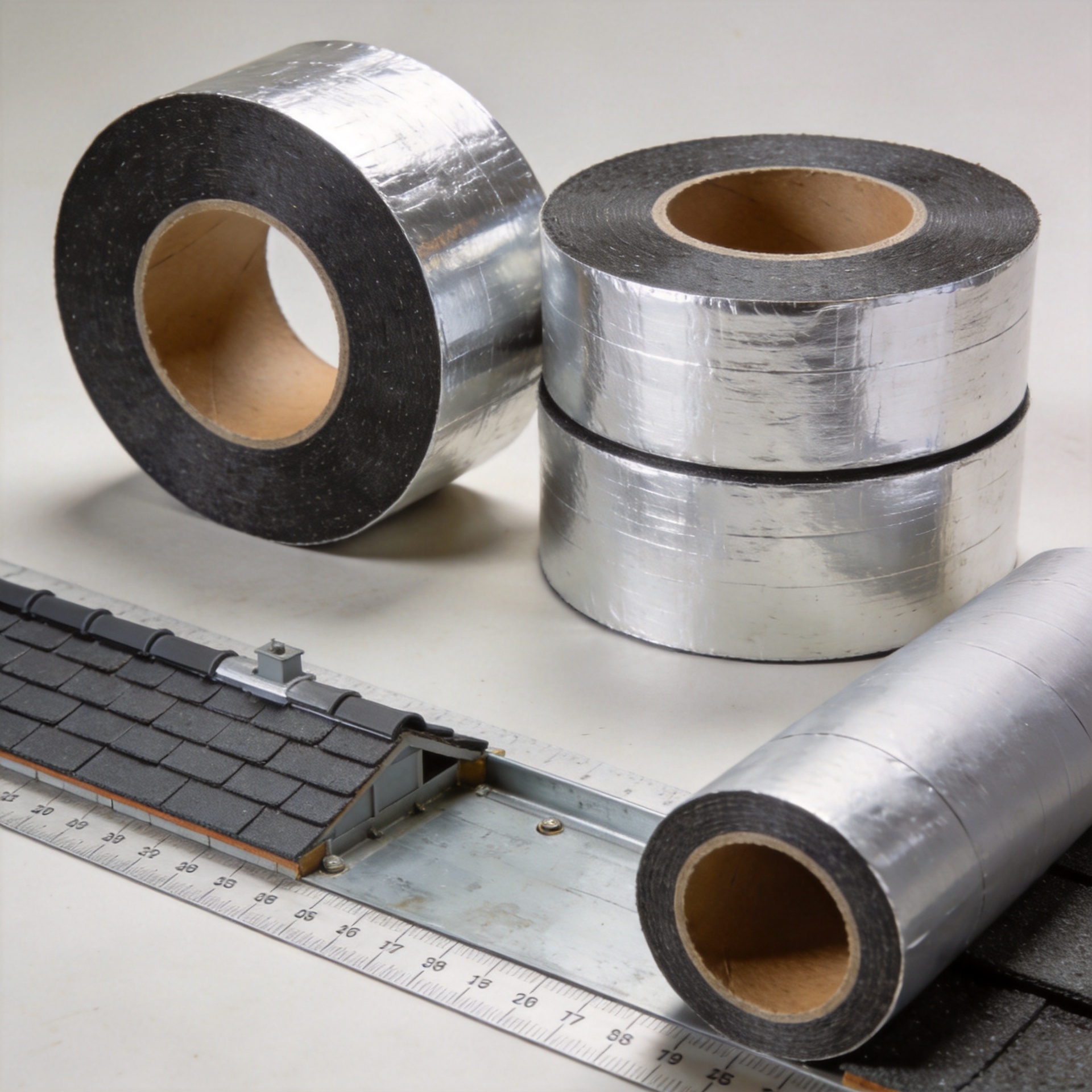
The gap between three quotations for one drawing is rarely about greed. Compound grade, foil gauge, adhesive weight, roll format, cartons per pallet, order volume, delivery term and the currency date on the offer all feed into the number at the bottom. Change one input and the figure moves. Describe the inputs differently, and two offers stop being comparable at all. A bitumen tape price is therefore less a market fact than a record of the assumptions behind it. A bitumen waterproof tape with identical dimensions may land in three different bands for that reason alone.
One supplier quotes per roll, another per carton, a third per square metre. One includes the liner in the nominal thickness; another measures only compound. One states a nominal width while the usable face is narrower because the liner overhangs. Add core diameter and pallet inclusion, and the same bitumen tape roll appears to carry a different bitumen tape price. None of those figures is wrong; they answer different questions. A reliable bitumen tape supplier sends its template on request, and the template shows which basis was used.
Oxidized asphalt is cheap but brittle in cold; SBS-modified bitumen costs more and stays flexible; butyl rubber costs more again and stays tacky. A reclaim blend quotes lower, and the difference shows at the seam. Facing matters as much. An aluminum foil bitumen tape carries a laminate cost that plain polyethylene film does not, because foil is bought to a gauge and must survive lamination without pinholes. A bitumen waterproof tape faced with foil also needs a heavier liner. Ask for compound type, polymer content and foil gauge in writing; a bitumen tape price without those answers cannot be compared.
A wider roll consumes more compound and facing, so width usually moves cost faster than length. Thickness behaves similarly: a 1.5 mm foil-faced roll carries more compound than a 1.2 mm PE-faced roll of equal width. Coating weight, in grams per square metre, is the variable frequently omitted. Two bitumen tape roll constructions can share a nominal thickness while carrying different adhesive mass. A bitumen tape price that lists thickness and width only is incomplete, and a bitumen tape supplier that cannot give coat weight is quoting a format. An aluminum foil bitumen tape adds a second material stream.
Export packing is part of the price. Carton grade, shrink wrap, edge protection and pallet height change how many bitumen tape rolls fit in a container, and freight is charged on the container rather than the roll. Taller pallets can lower delivered cost without touching the ex-works figure. Core diameter matters too: a larger core reduces usable length per bitumen tape roll but improves crush resistance. Those answers explain why two aluminum foil bitumen tape offers look identical on paper, why a bitumen waterproof tape can arrive with deformed edges, and how far a bitumen tape price can move before the compound changes. A bitumen tape supplier with standard pallet heights simplifies planning.
Volume changes the number because setup, slitting and packing spread across more length per bitumen tape roll. A trial order below the minimum may carry a surcharge that disappears at container volume. Delivery terms shift cost: ex-works leaves inland haulage, export clearance and ocean freight with the buyer, while a delivered term hides the freight rate inside one figure. Duty depends on the declared description. Currency adds a variable, since a long validity carries risk that a short one does not. Season matters too, because demand peaks before construction starts.
A distributor in a coastal city compared five offers for a mixed load. The lowest came from a bitumen tape supplier quoting ex-works, without pallets, at nominal width, valid for one month. Rebuilt on a delivered basis, that bitumen waterproof tape offer moved to the middle of the group. The aluminum foil bitumen tape inside it would have looked cheap for a month and costly for the project. Whatever figure appears, the assumptions behind a bitumen tape price decide the outcome.
Build a comparison sheet with fixed rows. Row one: unit basis, converted to coated square metres. Row two: nominal and usable width. Row three: compound, polymer content and coat weight. Row four: facing, liner and core. Row five: peel adhesion, tensile strength and low-temperature flexibility. Row six: bitumen tape rolls per carton, cartons per pallet, dimensions. Row seven: delivery term and transit estimate. Row eight: lead time and validity. Then ask each bitumen tape supplier to confirm its weakest rows. A bitumen tape roll that wins on unit basis but loses on adhesion is a different product. Compare the aluminum foil bitumen tape on foil gauge and adhesive mass, and check whether the bitumen waterproof tape carries the same compound grade as the sample.
A complete quotation states compound, facing, liner, thickness, width, roll length, packing, delivery term and validity. Any blank field becomes a variable that reappears at the port, and a careful bitumen tape supplier names it before signing.
Usually yes. Width consumes compound and facing across the full running length and interacts with slitting loss, while extra length adds material in a straight line. A narrow bitumen tape roll rarely saves what it appears to.
Each term allocates freight, insurance and clearance differently. Convert every offer to one term, keep the freight visible, and ask whether the aluminum foil bitumen tape and the bitumen waterproof tape behind it were quoted on the same basis.

2026/11/20
How an APP waterproof membrane handles heat: 130°C softening point, torch application windows, overheating signs, summer storage, and thermal aging checks.

2026/11/20
The science of a breathable waterproof membrane: water vapor diffusion, Sd values, three grammage grades, water column resistance, and wrong-use cases.

2026/11/20
Single-ply or two-ply, every flat roof is a stack. See how a self adhesive waterproof membrane for roof systems handles base, cap, insulation and drains.

2026/11/20
How the polyester scrim sets tensile strength and dimensional stability of reinforced TPO membrane rolls, with welding, roll sizes and selection tips.

2026/11/20
How an aluminum foil coated bitumen waterproof membrane reflects solar radiation, lowers surface temperature, and what maintenance keeps savings alive.

2026/11/20
SBS modified bitumen waterproof membrane property groups: tensile strength, low-temperature flexibility, heat resistance, surface finishes, applications.
Links to the corresponding full news page.

The eight questions overseas buyers ask most — factory ownership, capacity, batch consistency and lead times, answered straight.

SBS membranes, polymer sheets, coatings and geomembranes — six product lines are operating simultaneously.

Pre-sales specification, on-site technical support and post-delivery maintenance across 100+ export markets.

Waterproofing performance is decided in the specification and the detailing, not just the material. Our technical team helps you select the right system, resolve site questions as they arise, and stay reachable long after the container lands.
