 EN
APP Waterproof Membrane: High-Temperature Stability Guide
2026/11/20
How an APP waterproof membrane handles heat: 130°C softening point, torch application windows, overheating signs, summer storage, and thermal aging checks.

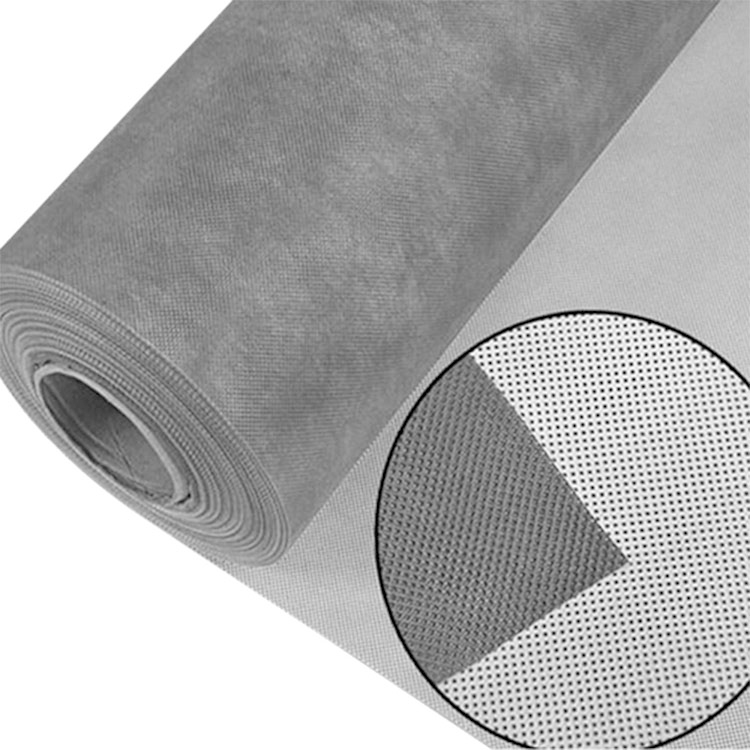
Selecting a breathable waterproof material should begin with the building design rather than the product price. Roof pitch, wall construction, local rainfall, expected humidity, and the planned installation sequence all influence material requirements. A product intended for a pitched roof underlay may not be suitable for every exposed roofing system, so its intended function should be established before procurement.
A breathable waterproof material is designed to resist liquid water while allowing water vapor to pass through under appropriate conditions. This combination can support moisture management in roof and wall assemblies, but it does not eliminate the need for correct ventilation, drainage, flashing, or vapor-control design. Contractors should assess how moisture enters a structure and how it is expected to leave.
Early planning also helps prevent incompatible material combinations. The membrane, insulation, cladding, fasteners, and adjoining layers must work as a coordinated assembly. Reviewing these components before installation can reduce avoidable changes on site and help ensure that the selected material fits the intended construction system.
A breathable waterproof material must balance water resistance with vapor permeability. DT Waterproof offers breathable waterproof membranes made from a three-layer PP+PE+PP composite structure. The polypropylene nonwoven layers and polyethylene film serve different functions within the membrane, supporting its use as a protective layer in suitable building-envelope systems.
When specifying a breathable waterproof material, buyers should distinguish between waterproofing performance and vapor transmission. These properties address different moisture-related requirements. A membrane should be evaluated against expected water exposure, the building's vapor-control strategy, and the conditions under which it will be installed rather than judged by its product name alone.
Compatibility with surrounding layers is also important. The project team should check installation instructions, overlap details, fixing methods, and the treatment of openings. Even a suitable membrane can perform poorly if water is directed behind it or if joints and penetrations are not handled according to the system design. Product selection and installation planning should therefore be considered together.
For pitched roofs, a breathable waterproof material may serve as an underlay beneath tiles or other specified roof coverings. Its role is to provide a secondary weather-protection layer while allowing moisture vapor to pass through. The exact arrangement depends on the roof design, covering type, ventilation strategy, and manufacturer's instructions.
Wall applications require similar attention to the complete assembly. In suitable framed-wall systems, the membrane may be positioned behind external cladding to help manage rain penetration while supporting outward vapor movement. Designers should confirm the membrane's position relative to insulation, sheathing, cavities, and the external finish.
Breathable waterproof membranes may be considered for pitched roofing, wall wraps, curtain wall assemblies, and timber-frame construction when the selected grade is suitable for the application. However, each project has different requirements. Buyers should review the product specification and building design before deciding whether a particular membrane is appropriate.
A breathable waterproof material should not be treated as a universal substitute for roof waterproofing sheets, foundation membranes, or liquid-applied coatings. These products serve different purposes and may require different installation methods. Selecting the correct product category is an essential first step in building-envelope planning.
Breathable waterproof membranes are available in different weight ranges for different construction needs. DT Waterproof's product range includes lightweight grades of 70–100 g/m², medium grades of 130–180 g/m², and heavy grades of 220–300 g/m². The appropriate option depends on the application and the performance requirements specified for the project.
A lightweight breathable waterproof material may be considered when its documented properties meet the project requirements. Medium grades may be relevant to applications such as pitched roofing, curtain walls, or timber-frame construction. Heavy grades may warrant evaluation when higher mechanical strength or more demanding site conditions are part of the specification. These are selection considerations, not a substitute for checking the technical data of the exact product.
Weight alone is not enough to determine suitability. Buyers should review the relevant data sheet for water resistance, vapor permeability, tensile properties, UV exposure limits, dimensions, and applicable test documentation. These details should be compared with the design specification and the expected installation period.
For international projects, procurement teams should also verify which declarations, certifications, or test reports apply to the exact product grade. Requirements can vary by market and application, so general statements about a product range should not replace document-level verification. Asking the supplier for current technical documents can help clarify whether the proposed material meets the project's requirements.
Before installation, confirm that the substrate and supporting structure are ready and that the membrane is being installed in the correct orientation. Follow the manufacturer's instructions for overlaps, fastening, edges, penetrations, and connections with adjacent materials. These details help maintain a continuous protective layer and direct water toward the intended drainage path.
During inspection, look for tears, punctures, loose fixings, open joints, and areas where water could collect. Repair defects using a method approved for the product and inspect the repaired area before it is concealed by cladding or roofing. Documenting the work can also help coordinate inspections across different construction stages.
When sourcing a breathable waterproof material, ask the supplier for the current technical data sheet and applicable supporting documents. Confirm available roll dimensions, product grade, minimum order quantity, sample arrangements, and packaging requirements before placing a bulk order. Buyers should also clarify customization options, production requirements, and delivery arrangements for the selected grade.
A well-matched material is only one part of a successful building-envelope system. Appropriate design, compatible components, correct installation, and documented inspection all contribute to reliable moisture management. By checking these factors before procurement and throughout construction, project teams can make more informed decisions about membrane selection and application.
A breathable waterproof material is used in suitable building-envelope assemblies to resist liquid water while allowing water vapor to pass through. Applications may include pitched roof underlays and selected wall systems, subject to product specifications.
No. Vapor permeability and ventilation perform different functions. The project design should account for ventilation, drainage, insulation, and vapor control as required by the roof or wall assembly.
Compare the intended application, exposure conditions, required mechanical properties, vapor permeability, dimensions, and supporting technical documents. Confirm the exact grade's suitability with the project specification and supplier before ordering.

2026/11/20
How an APP waterproof membrane handles heat: 130°C softening point, torch application windows, overheating signs, summer storage, and thermal aging checks.

2026/11/20
The science of a breathable waterproof membrane: water vapor diffusion, Sd values, three grammage grades, water column resistance, and wrong-use cases.

2026/11/20
Single-ply or two-ply, every flat roof is a stack. See how a self adhesive waterproof membrane for roof systems handles base, cap, insulation and drains.

2026/11/20
How the polyester scrim sets tensile strength and dimensional stability of reinforced TPO membrane rolls, with welding, roll sizes and selection tips.

2026/11/20
How an aluminum foil coated bitumen waterproof membrane reflects solar radiation, lowers surface temperature, and what maintenance keeps savings alive.

2026/11/20
SBS modified bitumen waterproof membrane property groups: tensile strength, low-temperature flexibility, heat resistance, surface finishes, applications.
Links to the corresponding full news page.

The eight questions overseas buyers ask most — factory ownership, capacity, batch consistency and lead times, answered straight.

SBS membranes, polymer sheets, coatings and geomembranes — six product lines are operating simultaneously.

Pre-sales specification, on-site technical support and post-delivery maintenance across 100+ export markets.

Waterproofing performance is decided in the specification and the detailing, not just the material. Our technical team helps you select the right system, resolve site questions as they arise, and stay reachable long after the container lands.
