 EN
APP Waterproof Membrane: High-Temperature Stability Guide
2026/11/20
How an APP waterproof membrane handles heat: 130°C softening point, torch application windows, overheating signs, summer storage, and thermal aging checks.

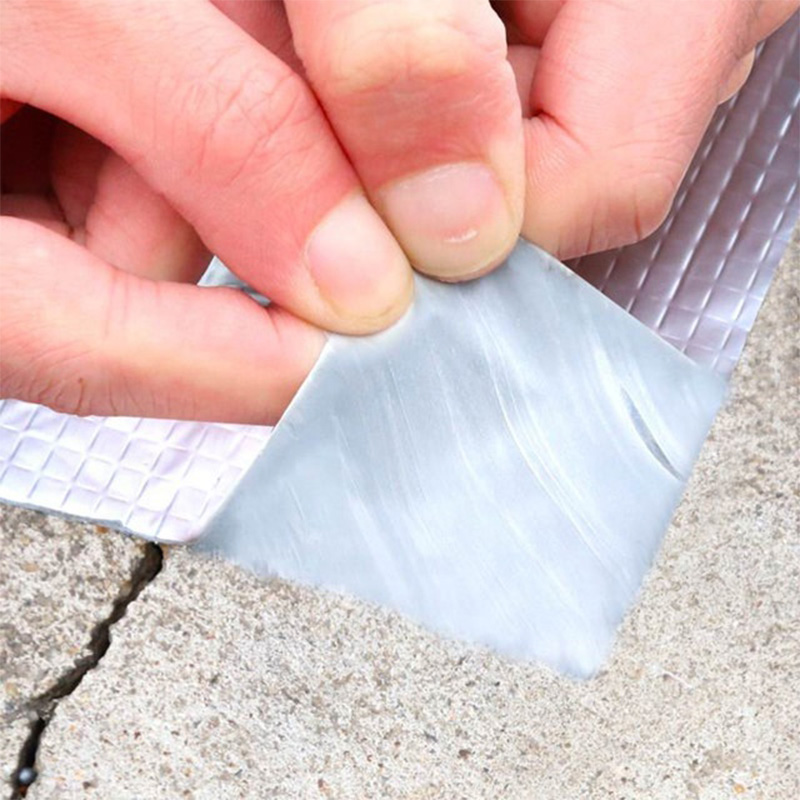
In modern building envelope engineering, installing high-performance butyl sealant tape provides a reliable, permanently flexible barrier across dynamic structural transitions. A butyl sealant tape is an engineered elastomeric sealing component formulated to maintain continuous surface tack and elongation when building joints expand, contract, or vibrate under structural loads. Unlike rigid liquid sealants that cure into hard beads and split during joint displacement, a quality butyl sealant tape remains viscoelastic to absorb continuous movement. Specifying the proper grade of butyl sealant tape ensures airtight and watertight integrity across roof panels, window perimeters, and metal flashings. For commercial contractors and global distributors, choosing an industrial butyl sealant tape is essential for preventing water ingress and reducing costly exterior maintenance callbacks.
The lasting durability of a butyl sealant tape relies on the advanced polymer engineering of synthetic polyisobutylene rubber compounds. This specialized formulation provides the butyl sealant tape with outstanding low-temperature flexibility, preventing the adhesive mass from cracking or hardening in sub-zero winter weather. Because the compound is chemically non-curing, the butyl sealant tape wets out microscopic substrate irregularities under compression, creating an impenetrable moisture seal. In addition, the low gas permeability of the butyl sealant tape makes it an exceptional barrier against subterranean moisture and soil gases. Sourcing a verified butyl sealant tape guarantees that the joint seals tightly without requiring site solvent mixing or long cure times.
Evaluating joint sealing technologies requires comparing the mechanical constraints and exposure conditions of the construction detail:
| Material Classification | Core Chemical Base | Recommended Joint Type | Mechanical Movement Performance |
|---|---|---|---|
| Butyl Sealant Tape | Non-Curing Polyisobutylene | Concealed compression laps, metal roof seams, and pipe flanges | Excellent viscoelastic recovery absorbing continuous vibration |
| Silicone Sealant | Curing Organosilicon | Exposed exterior perimeter masonry joints and glass glazing | Good elastic tension accommodating high-amplitude joint shearing |
| Asphaltic Sealant | Polymer-Modified Bitumen | Traditional asphalt roofs, mineral surfaces, and low-slope repairs | Moderate flexibility; prone to softening and flowing under high heat |
The service life of a butyl sealant tape depends significantly on matching the backing film to the atmospheric exposure of the joint. Sourcing an aluminum foil faced butyl sealant tape provides robust defense against ultraviolet radiation, making it the ideal selection for exposed metal roof flashing laps and chimney repairs. The metallic facer reflects solar heat, preventing thermal degradation of the adhesive core and lowering localized joint stress. Conversely, choosing a nonwoven fleece backed butyl sealant tape provides an excellent mechanical key for receiving subsequent liquid waterproofing coatings or masonry renders. Masons must ensure that their specified butyl sealant tape is fully compatible with adjacent materials to prevent chemical migration or adhesive displacement over time.
Achieving maximum peel adhesion with a pressure-sensitive butyl sealant tape demands meticulous surface cleaning and uniform roller consolidation. Installers must scrub the target substrates to remove loose dust, rust, flaking coatings, and oil, as a butyl sealant tape cannot bond to contaminated surfaces. Applying a butyl sealant tape over condensation, frost, or wet concrete creates an unbonded layer that leads to edge lifting. Once dry, workers should align the butyl sealant tape along the seam, peeling the protective release liner progressively to avoid stretching the viscoelastic core. Technicians must roll every square meter of the butyl sealant tape using a heavy silicone hand roller to force the adhesive into the substrate pores.
Rooftop solar photovoltaic installations and HVAC service conduits introduce complex mechanical penetrations that require the sealing versatility of butyl sealant tape. Placing a continuous ring of butyl sealant tape beneath solar mounting brackets creates a durable compression gasket around structural fasteners. When detailing round pipe boots, installers should wrap overlapping bands of butyl sealant tape upward to create a shingled water-shedding transition. This method prevents water from ponding against the pipe collar and tracking into the building envelope. Sourcing a high-quality butyl sealant tape ensures that these critical rooftop penetrations resist wind-driven rain and thermal structural shifts without leaking.
Commercial procurement managers and industrial distributors achieve the most competitive material consistency by partnering directly with verified manufacturing plants. Shandong Dingtai Waterproof Technology Co., Ltd. manufactures certified butyl sealant tape rolls under the JinDingTai brand, enforcing strict quality standards for compound mass, tensile strength, and release liner performance. Sourcing a factory-direct butyl sealant tape ensures that shipments comply with international building codes and provide documented peel adhesion data. In addition, JinDingTai supports custom slitting widths and specialized roll lengths to match complex precast concrete and metal panel details. Sourcing a proven butyl sealant tape protects building owners from moisture damage and preserves structural concrete and steel integrity.
Yes, butyl sealant tape can bond to textured concrete and porous masonry, provided the surface is clean, dry, and properly primed. Applying a compatible polymer primer prior to installing the butyl sealant tape consolidates residual dust and enhances adhesive wetting across porous substrates.
Stretching a butyl sealant tape thins the adhesive compound, reducing its gap-filling capacity and creating internal tension. Over time, the stretched butyl sealant tape will experience elastic recoil, causing the edges of the joint to lift, wrinkle, and create pathways for water intrusion.
A non-curing butyl sealant tape does not undergo chemical cross-linking after application, allowing the synthetic rubber compounds to remain permanently viscoelastic. This formulation ensures that the butyl sealant tape can absorb continuous structural movement, vibrations, and thermal cycling without cracking.

2026/11/20
How an APP waterproof membrane handles heat: 130°C softening point, torch application windows, overheating signs, summer storage, and thermal aging checks.

2026/11/20
The science of a breathable waterproof membrane: water vapor diffusion, Sd values, three grammage grades, water column resistance, and wrong-use cases.

2026/11/20
Single-ply or two-ply, every flat roof is a stack. See how a self adhesive waterproof membrane for roof systems handles base, cap, insulation and drains.

2026/11/20
How the polyester scrim sets tensile strength and dimensional stability of reinforced TPO membrane rolls, with welding, roll sizes and selection tips.

2026/11/20
How an aluminum foil coated bitumen waterproof membrane reflects solar radiation, lowers surface temperature, and what maintenance keeps savings alive.

2026/11/20
SBS modified bitumen waterproof membrane property groups: tensile strength, low-temperature flexibility, heat resistance, surface finishes, applications.
Links to the corresponding full news page.

The eight questions overseas buyers ask most — factory ownership, capacity, batch consistency and lead times, answered straight.

SBS membranes, polymer sheets, coatings and geomembranes — six product lines are operating simultaneously.

Pre-sales specification, on-site technical support and post-delivery maintenance across 100+ export markets.

Waterproofing performance is decided in the specification and the detailing, not just the material. Our technical team helps you select the right system, resolve site questions as they arise, and stay reachable long after the container lands.
