 EN
APP Waterproof Membrane: High-Temperature Stability Guide
2026/11/20
How an APP waterproof membrane handles heat: 130°C softening point, torch application windows, overheating signs, summer storage, and thermal aging checks.

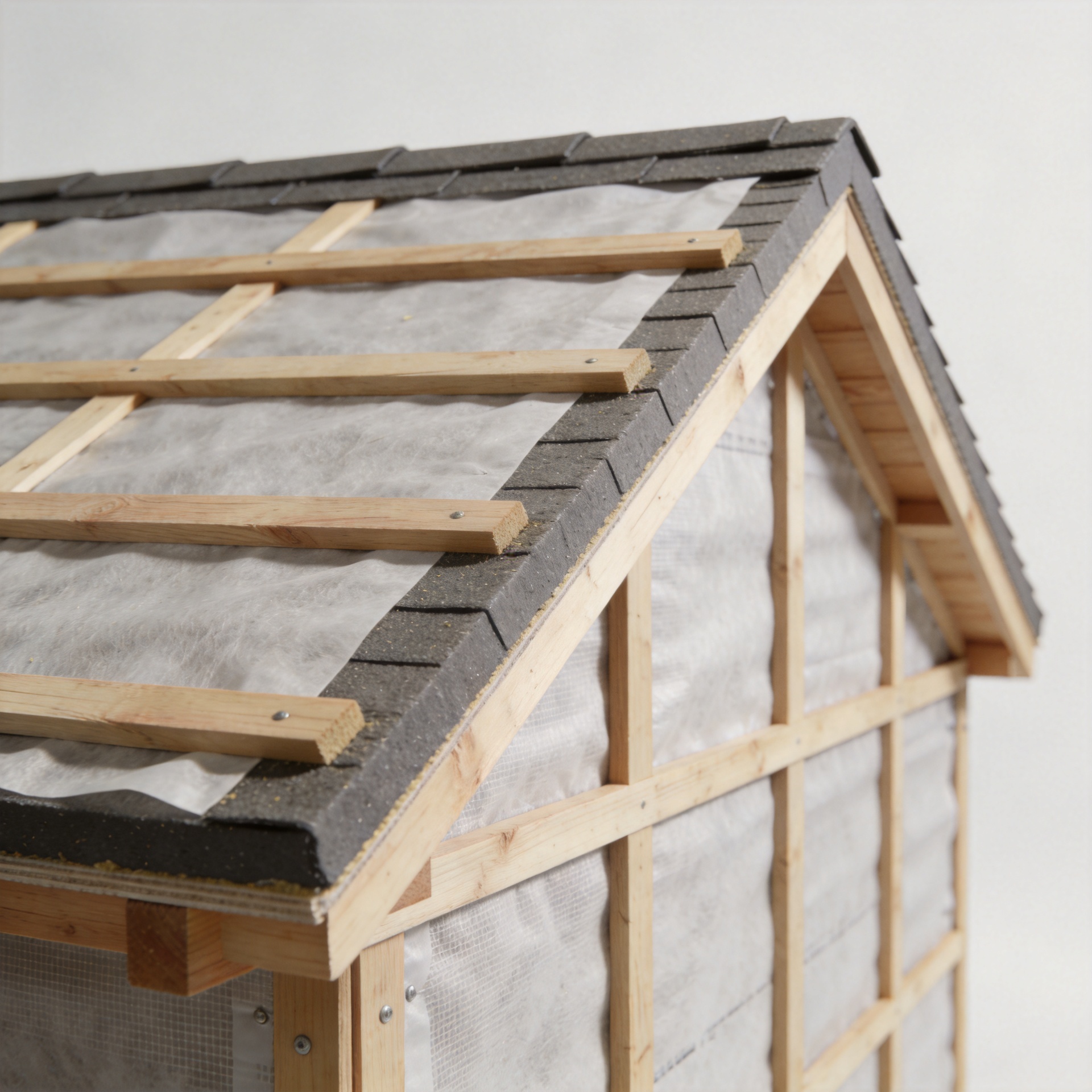
When sourcing building envelope materials for European construction projects, encountering the phrase breathable membrane CE certified standard on a supplier specification sheet is merely the beginning of technical due diligence. A high-performance breathable membrane must execute two seemingly contradictory physical functions simultaneously: acting as a reliable barrier against wind-driven liquid water while remaining highly permeable to internal water vapor.
For modern timber structures and pitched roof systems, choosing the right breathable membrane prevents interstitial condensation, structural timber decay, and insulation degradation. However, from an engineering and quality-control standpoint, a CE certified breathable membrane only protects the building structure when its physical properties align with verified laboratory test results. Understanding the breathable membrane CE certified standard requires procurement teams to evaluate polymer architecture, application-specific European norms, and traceable compliance files before installing any breathable membrane on site.
Most commercial vapor-permeable underlays rely on a multi-layer composite structure, typically featuring a functional microporous breathable membrane core laminated between two spunbond polypropylene nonwoven layers. The outer polypropylene layers give the breathable membrane mechanical tensile strength, nail-tear resistance, and ultraviolet stabilization during open-site exposure, while the inner functional core governs moisture transport.This microporous breathable membrane core contains microscopic pathways engineered to be significantly smaller than liquid water droplets yet substantially larger than individual water vapor molecules. Driven by molecular diffusion and vapor pressure gradients, internal moisture escapes outward through the breathable membrane into the ventilated cavity without allowing external rain or snowmelt to penetrate inward.
Specifiers should never reduce material selection to a single marketing claim. A durable polypropylene breathable waterproof membrane must demonstrate verified hydrostatic head resistance, multi-directional tensile strength, and thermal aging stability. Furthermore, selecting a durable polypropylene breathable waterproof membrane cannot rescue a poorly designed wall or roof assembly on its own. Every CE certified breathable membrane must function alongside continuous interior air barriers, properly taped overlaps, and unobstructed exterior drainage cavities to follow the breathable membrane CE certified standard.
To properly apply the breathable membrane CE certified standard in real-world construction, buyers and engineers must interpret key physical metrics recorded on the technical data sheet rather than relying on generic assumptions about a breathable membrane.
The SD value measures how much resistance a breathable membrane offers against water vapor migration, expressed in meters of an equivalent stationary air layer. A lower SD value—typically between 0.02 meters and 0.05 meters for a high-permeability breathable membrane—indicates superior vapor openness. Selecting the right target for your CE certified breathable membrane depends on local climate conditions, internal humidity loads, insulation placement, and professional condensation-risk assessments.
For a breathable waterproof membrane for timber frame building, low vapor resistance on the cold exterior side supports a reliable outward-drying strategy. When installing a breathable waterproof membrane for timber frame building, engineers commonly apply a minimum five-to-one permeability ratio between the external breathable membrane and the internal vapor control layer to prevent moisture trapping. Asking for the specific test protocol and declared tolerance is far more effective than treating the breathable membrane CE certified standard as a simple pass-or-fail purchasing question.
Under European test standard EN 1928, every breathable membrane is classified into water tightness classes W1, W2, or W3. Specifying a Class W1 durable polypropylene breathable waterproof membrane ensures the underlay passes stringent hydrostatic water column testing without leakage, both before and after artificial thermal and UV aging cycles. Additionally, longitudinal and transverse tensile strength evaluated under EN 12311-1 determines how effectively a durable polypropylene breathable waterproof membrane withstands batten foot traffic, mechanical fasteners, and severe wind-uplift forces while meeting the breathable membrane CE certified standard.
A frequent procurement pitfall is assuming that any CE certified breathable membrane is universally approved for all building envelope placements. European harmonized standards clearly separate intended applications into two distinct frameworks: EN 13859-1 governs a breathable membrane for discontinuous pitched roofing beneath tiles, slates, or metal sheets, whereas EN 13859-2 governs a breathable membrane installed in external walls behind rainscreen cladding.
A breathable membrane engineered for pitched roofing focuses heavily on wind-uplift resistance, water ponding prevention behind battens, and slip resistance during installation. In contrast, a breathable waterproof membrane for timber frame building walls behind facade cladding must accommodate vertical wind pressure across studs and endure prolonged ultraviolet exposure.
Buyers must match the exact standard reference in the compliance documentation to the planned structural location. A reputable breathable waterproof membrane manufacturer will clearly identify whether a specific roll is certified under EN 13859-1, EN 13859-2, or dual-tested for both roof and wall applications. Working directly with an experienced breathable waterproof membrane manufacturer guarantees that you receive the corresponding laboratory data to confirm assembly suitability under the breathable membrane CE certified standard.
As building energy efficiency codes tighten across Europe, contractors frequently evaluate a modern CE certified breathable membrane against traditional bitumen-saturated roofing felts. While legacy bituminous felt is not entirely obsolete in conventional cold-roof designs with generous cross-ventilation, it exhibits high vapor resistance, heavy roll weight, and a tendency toward brittle cracking in sub-zero temperatures.
In contrast, a synthetic breathable waterproof membrane for timber frame building offers high vapor permeability with low SD values, allowing moisture to escape directly through the breathable membrane in warm or unventilated roof configurations. Furthermore, a durable polypropylene breathable waterproof membrane weighs significantly less—typically ranging from 100 to 220 grams per square meter—which improves site handling safety and reduces structural dead loads. Nevertheless, even the best breathable membrane cannot compensate for unsealed pipe penetrations, reversed horizontal laps, or blocked drainage paths.
Under the European Union Construction Products Regulation, the wording breathable membrane CE certified standard does not represent a generic commercial badge issued simply because a roll is exported to Europe. Instead, the breathable membrane CE certified standard requires a formal legal declaration that the product's essential characteristics have been assessed according to a harmonized European technical specification.
Before approving a shipment from a breathable waterproof membrane manufacturer, procurement teams should request a complete documentary package for the breathable membrane. This includes a legally signed Declaration of Performance listing the unique product type, intended use, Notified Body identification, and declared performance tolerances. Buyers should also inspect the physical label on the CE certified breathable membrane packaging to verify that batch numbers, gram weights, and artificial aging reports align seamlessly with the technical data sheet.
At Shandong Dingtai Waterproof Technology Co., Ltd., we operate as a dedicated breathable waterproof membrane manufacturer serving international distributors, OEM brands, and construction specifiers with transparent technical verification. Rather than relying on vague marketing statements, our engineering team supplies product-specific technical data sheets, batch traceability records, and laboratory test reports for every durable polypropylene breathable waterproof membrane we produce, ensuring your specification approval process remains fully verifiable.
Achieving long-term building envelope durability with a CE certified breathable membrane requires disciplined verification from initial procurement to final cladding installation. First, project managers must clearly define whether the breathable membrane will serve as a discontinuous roof underlay under EN 13859-1 or a facade wall barrier under EN 13859-2. Second, procurement specialists must obtain and review the product-specific Declaration of Performance from their breathable waterproof membrane manufacturer before relying on any breathable membrane CE certified standard claim in a project tender.
Third, engineers should evaluate the declared SD value, Class W1 water resistance, nail-tear strength, and post-aging performance when selecting a breathable waterproof membrane for timber frame building projects. Fourth, site supervisors must verify installation guidelines for the breathable membrane regarding minimum overlap widths, compatible acrylic or butyl sealing tapes, and maximum uncovered ultraviolet exposure windows. By treating the breathable membrane CE certified standard as a strict verification protocol, buyers can protect timber structures and ensure reliable moisture management across European construction projects.

2026/11/20
How an APP waterproof membrane handles heat: 130°C softening point, torch application windows, overheating signs, summer storage, and thermal aging checks.

2026/11/20
The science of a breathable waterproof membrane: water vapor diffusion, Sd values, three grammage grades, water column resistance, and wrong-use cases.

2026/11/20
Single-ply or two-ply, every flat roof is a stack. See how a self adhesive waterproof membrane for roof systems handles base, cap, insulation and drains.

2026/11/20
How the polyester scrim sets tensile strength and dimensional stability of reinforced TPO membrane rolls, with welding, roll sizes and selection tips.

2026/11/20
How an aluminum foil coated bitumen waterproof membrane reflects solar radiation, lowers surface temperature, and what maintenance keeps savings alive.

2026/11/20
SBS modified bitumen waterproof membrane property groups: tensile strength, low-temperature flexibility, heat resistance, surface finishes, applications.
Links to the corresponding full news page.

The eight questions overseas buyers ask most — factory ownership, capacity, batch consistency and lead times, answered straight.

SBS membranes, polymer sheets, coatings and geomembranes — six product lines are operating simultaneously.

Pre-sales specification, on-site technical support and post-delivery maintenance across 100+ export markets.

Waterproofing performance is decided in the specification and the detailing, not just the material. Our technical team helps you select the right system, resolve site questions as they arise, and stay reachable long after the container lands.
