 EN
APP Waterproof Membrane: High-Temperature Stability Guide
2026/11/20
How an APP waterproof membrane handles heat: 130°C softening point, torch application windows, overheating signs, summer storage, and thermal aging checks.

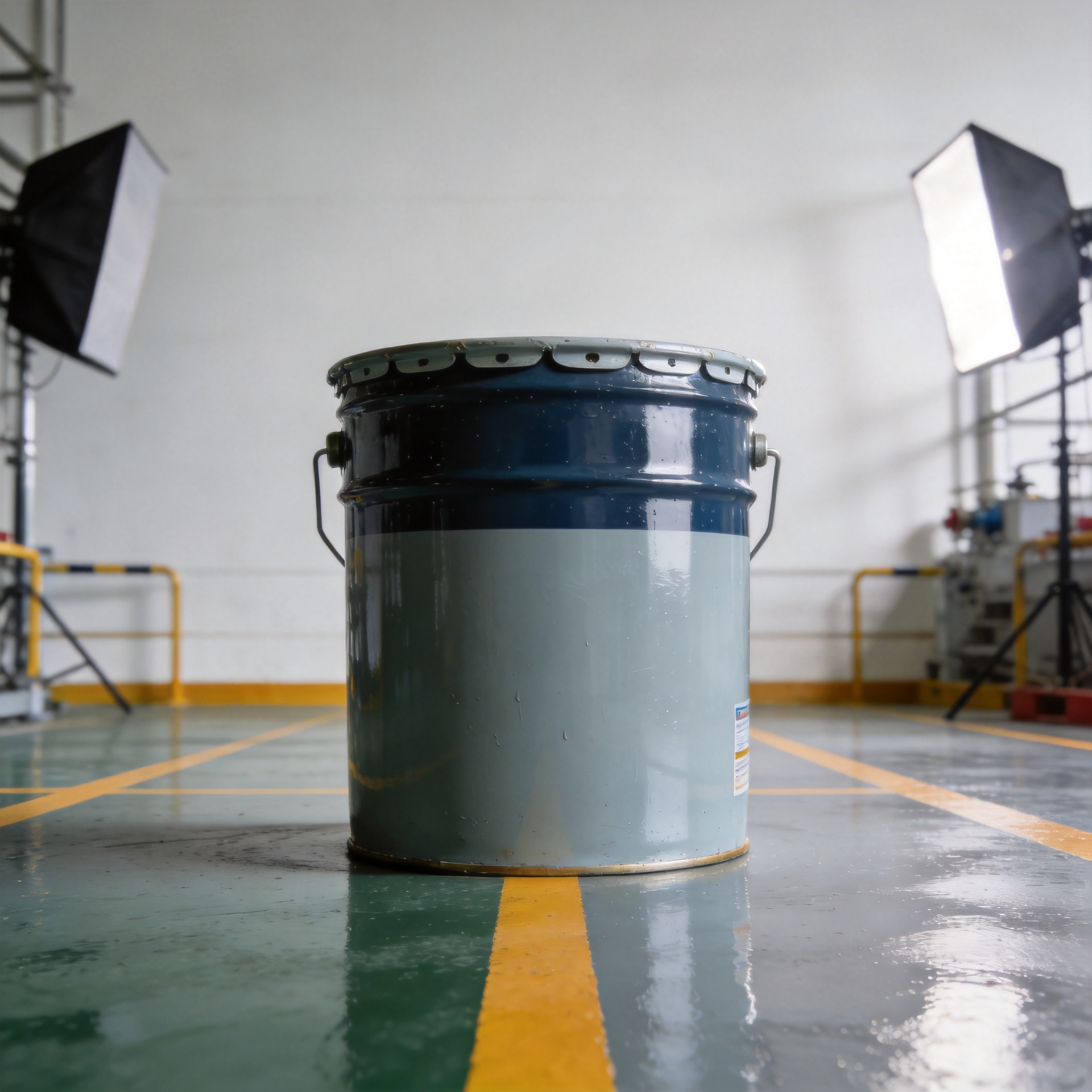
In my years of inspecting manufacturing plants, automotive workshops, and chemical processing warehouses, one of the most overlooked hazards is right beneath the workers' feet. Bare concrete appears solid, yet it is naturally porous and acts like a sponge when exposed to industrial oils, battery acids, alkalis, and harsh cleaning solvents. Once these corrosive liquids seep into untreated concrete, they break down the internal structural matrix, leading to surface spalling, deep cracks, and hazardous potholes. Applying a high-performance industrial floor paint creates an impermeable, non-porous barrier that stops chemical penetration on contact. From an engineering standpoint, keeping the substrate intact is the foundation of workplace floor safety. When a facility invests in chemical-resistant industrial floor paint, it directly prevents trip hazards, keeps heavy forklifts stable during transport, and protects the structural integrity of the building foundation over long-term operational cycles.
Understanding why specialized coatings outperform basic hardware store paints does not require a degree in chemical engineering. Standard paints dry strictly through solvent or water evaporation, leaving microscopic pinholes that aggressive liquids and moisture vapor easily penetrate. In contrast, our waterproof and chemical-resistant industrial floor paint utilizes advanced cross-linking resin technology, predominantly based on high-density epoxy and polyurethane formulations. When the resin components cure on the concrete substrate, they form a tightly locked molecular network that acts as a continuous protective shield. This seamless membrane serves a dual function: it blocks top-down chemical spills from eating into the slab, and it resists bottom-up moisture vapor transmission that typically causes inferior coatings to blister and peel. Because our product formulations focus on deep substrate adhesion and seamless waterproofing, facility managers get a unified protective layer that handles both liquid chemical exposure and persistent damp environments without delaminating.
Workplace safety regulatory bodies, including international occupational health standards, consistently identify slips, trips, and falls as a primary cause of severe industrial injuries. When corrosive fluids pool on an degraded floor, the risk of a worker losing traction multiplies instantly. Upgrading your facility with our heavy-duty industrial floor paint addresses these safety risks through multiple practical mechanisms. First, our coating systems can be seamlessly integrated with anti-slip aggregates during application, creating a micro-textured surface that maintains high traction even when wet or oily. Second, a high-gloss or satin finish naturally increases ambient light reflectivity across the plant floor, improving visibility in dimly lit storage zones and helping operators spot accidental fluid leaks immediately. Furthermore, using color-coded industrial floor paint allows safety officers to clearly mark pedestrian walkways, hazardous chemical storage zones, and forklift lanes, establishing visual order that reduces workplace collisions.
Even the highest quality industrial floor paint will fail prematurely if it is rolled over a dirty, oily, or poorly prepared concrete slab. Based on our field technical guidance across hundreds of industrial coating projects, surface preparation accounts for the vast majority of a floor system's long-term durability. Before opening a single bucket of coating, the concrete must be thoroughly degreased to remove any trapped oils or chemical residues. Next, mechanical profiling—such as diamond grinding or shot blasting—is essential to open the concrete pores and create a rough texture that allows the primer to anchor deeply into the slab. All existing structural cracks, expansion joints, and spalled areas must be filled and leveled using compatible repair mortars, while excessive substrate moisture must be mitigated using our specialized waterproof base coats. Once the surface is clean, dry, and properly profiled, applying the industrial floor paint in uniform, cross-rolled layers ensures complete coverage, eliminating weak spots where chemicals could otherwise attack the substrate.
A major advantage of installing a chemical-resistant industrial floor paint is how drastically it simplifies daily facility housekeeping and long-term maintenance. Unsealed concrete constantly generates abrasive silicate dust that settles on sensitive machinery and inventory, whereas a sealed floor eliminates concrete dusting entirely. However, "chemical-resistant" does not mean "indestructible," and establishing a straightforward cleaning routine will extend the service life of the coating for years. Facility maintenance crews should wipe up concentrated acid, alkali, or solvent spills promptly rather than allowing them to sit and evaporate into higher concentrations over several days. Daily sweeping or dust-mopping removes sharp metal shavings and abrasive grit that could scratch the protective topcoat under heavy forklift tires. For routine washing, using a neutral-pH industrial detergent with an automatic floor scrubber keeps the industrial floor paint looking bright, hygienic, and slip-resistant without degrading its protective chemical barrier.
If your daily operations involve automotive fluids, industrial cleaners, food processing acids, battery charging stations, or manufacturing solvents, standard floor paint will quickly bubble, discolor, and peel. You need a specialized chemical-resistant industrial floor paint whenever liquids used in your workspace have the potential to stain concrete, corrode structural slabs, or create slick, hazardous walking conditions for your staff.
Yes, our coating systems are frequently used to rehabilitate aging concrete slabs, provided the underlying structure is still sound. Before applying the new coating, any flaking old paint must be mechanically removed, grease spots must be thoroughly extracted, and surface cracks or pits must be patched with our compatible repair and waterproofing materials to create a smooth, stable bonding surface.
Curing times depend on ambient temperature, humidity, and ventilation inside the facility. Typically, the coated surface is dry to the touch and ready for light foot traffic within a day, while full chemical resistance and readiness for heavy forklift traffic require several days of complete molecular curing. We always recommend reviewing the specific product technical guide for exact curing schedules tailored to your job site conditions.

2026/11/20
How an APP waterproof membrane handles heat: 130°C softening point, torch application windows, overheating signs, summer storage, and thermal aging checks.

2026/11/20
The science of a breathable waterproof membrane: water vapor diffusion, Sd values, three grammage grades, water column resistance, and wrong-use cases.

2026/11/20
Single-ply or two-ply, every flat roof is a stack. See how a self adhesive waterproof membrane for roof systems handles base, cap, insulation and drains.

2026/11/20
How the polyester scrim sets tensile strength and dimensional stability of reinforced TPO membrane rolls, with welding, roll sizes and selection tips.

2026/11/20
How an aluminum foil coated bitumen waterproof membrane reflects solar radiation, lowers surface temperature, and what maintenance keeps savings alive.

2026/11/20
SBS modified bitumen waterproof membrane property groups: tensile strength, low-temperature flexibility, heat resistance, surface finishes, applications.
Links to the corresponding full news page.

The eight questions overseas buyers ask most — factory ownership, capacity, batch consistency and lead times, answered straight.

SBS membranes, polymer sheets, coatings and geomembranes — six product lines are operating simultaneously.

Pre-sales specification, on-site technical support and post-delivery maintenance across 100+ export markets.

Waterproofing performance is decided in the specification and the detailing, not just the material. Our technical team helps you select the right system, resolve site questions as they arise, and stay reachable long after the container lands.
