 EN
APP Waterproof Membrane: High-Temperature Stability Guide
2026/11/20
How an APP waterproof membrane handles heat: 130°C softening point, torch application windows, overheating signs, summer storage, and thermal aging checks.

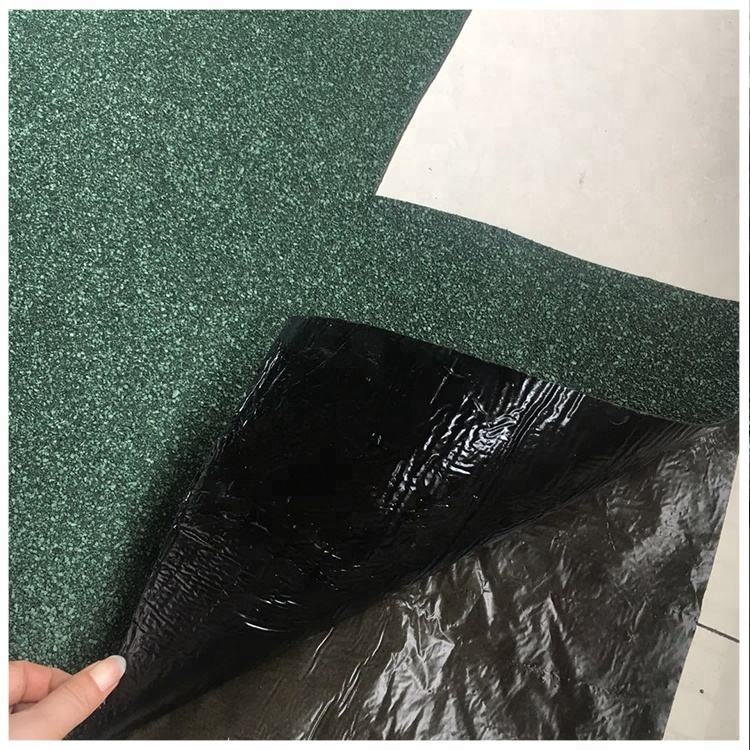
Removing a torch from a roofing specification changes more than the tool list. It changes the permit, the crew size, the sequence of work and the evidence an inspector can ask for at handover. A self adhesive bitumen waterproofing membrane bonds by contact pressure, so the job shifts from heat control to surface control. This guide follows a torch-free installation from the first site decision to final acceptance, and sets out where cold bond waterproofing is the practical route.
Flame work carries a paper trail before it carries a roll: hot work permit, fire watch, gas cylinders, clearance of combustibles and a check that the deck is dry. A peel and stick membrane removes that chain. The crew no longer manages heat, and instead manages contact, which is why cold bond waterproofing appears on occupied buildings, hospitals and food plants. Torch-free installation moves labour from one skilled burner to a larger team with rollers, because pressure must reach every square metre, and a self adhesive bitumen waterproofing membrane bonds only where the roller has been.
Both routes start the same way and diverge at the bond. Preparation is identical: a sound, clean, dry substrate, with cracks filled and corners filleted. Priming differs in intent, since a torch relies on a thin bitumen primer to fuse the underside, while a self adhesive bitumen waterproofing membrane uses primer to make the surface receptive. Bonding is the real split. Flame melts the compound and fuses it in one pass; contact bonds the sheet only where a roller has pressed. Laps follow: a torch-on lap is reheated, a peel and stick membrane lap closes under hand pressure. Any waterproofing membrane installation record should name the method used at each stage, because the evidence differs by method.
Torch-free installation lives or dies on the deck. The self adhesive bitumen waterproofing membrane needs a surface that is dry, dust-free and strong enough to hold the adhesive; a chalky screed will release a peel and stick membrane whatever the datasheet says. Primer choice follows absorption: dense concrete may take a thin coat, porous masonry needs more, and it must be dry before the release film comes off. Moisture is the usual failure route in waterproofing membrane installation, so a meter reading belongs in the record before the first roll. On a hospital wing refurbishment above a working ward, the crew primed at night, laid short runs between plant rooms, and closed every lap before the shift ended; cold bond waterproofing there was a schedule decision as much as a technical one.
Compaction replaces flame. A peel and stick membrane develops rated adhesion only under pressure, and a self adhesive bitumen waterproofing membrane is no different; a soft broom is not enough, while a heavy roller worked from the centre out closes the bond. Lap width comes from the datasheet and should be marked rather than judged by eye, and end laps should stagger so corners do not meet. On the 1.5mm mineral-sand grade, peel adhesion is at least 1.5 N/mm and tensile strength at least 400 N/50mm; the 1.2mm PE grade lists the same 1.5 N/mm with 0.3 MPa watertightness over 120 minutes. Waterproofing membrane installation quality is measurable, and the roller is where it is made.
Inspection for a cold system looks different. There is no cooled seam to probe for fusion, so checks move to continuity, contact and records. Walk the area and look for ridges, blisters and lifted edges; press every lap of the self adhesive bitumen waterproofing membrane by hand and mark soft spots; cut a sample where the specification allows, and pull to confirm the bond. Photograph the primed deck, the lap widths and the terminations. A torch-free installation is easier to audit in one sense, because the work is visible, and harder in another, because nothing is fused into a single layer. Any waterproofing membrane installation handed over without that record is a claim waiting to be tested, and cold bond waterproofing depends on it.
Cold bond suits occupied buildings, restricted sites, small roof areas and details a flame cannot reach. It does not suit a deck that stays damp, a programme needing a fused membrane in one pass, or a rough substrate. On large open roofs, torch work still sets the pace, which is why a self adhesive bitumen waterproofing membrane is often a repair product. The permit regime and the substrate decide, not the price per roll. A peel and stick membrane with PE film suits concealed work, the mineral-sand grade takes exposure, and cold bond waterproofing performs only when the deck allows it. Torch-free installation is a method rather than a promise, and waterproofing membrane installation records should say so.
No. Water on the deck blocks contact and contaminates the adhesive, so a passing shower stops work, and a peel and stick membrane laid over a damp patch lifts at the first warm day. Cold bond waterproofing schedules follow the weather.
By hand pressure, a visual check and a pull test on a sample where the specification permits it. A soft or lifting edge is a failed lap, and a waterproofing membrane installation should record every reworked lap.
Not on the published figures. The 1.2mm PE grade reaches 0.3 MPa watertightness over 120 minutes, and both grades list at least 1.5 N/mm peel on concrete, provided the surface was prepared and rolled, and the torch-free installation record shows it. A self adhesive bitumen waterproofing membrane stands on that preparation.

2026/11/20
How an APP waterproof membrane handles heat: 130°C softening point, torch application windows, overheating signs, summer storage, and thermal aging checks.

2026/11/20
The science of a breathable waterproof membrane: water vapor diffusion, Sd values, three grammage grades, water column resistance, and wrong-use cases.

2026/11/20
Single-ply or two-ply, every flat roof is a stack. See how a self adhesive waterproof membrane for roof systems handles base, cap, insulation and drains.

2026/11/20
How the polyester scrim sets tensile strength and dimensional stability of reinforced TPO membrane rolls, with welding, roll sizes and selection tips.

2026/11/20
How an aluminum foil coated bitumen waterproof membrane reflects solar radiation, lowers surface temperature, and what maintenance keeps savings alive.

2026/11/20
SBS modified bitumen waterproof membrane property groups: tensile strength, low-temperature flexibility, heat resistance, surface finishes, applications.
Links to the corresponding full news page.

The eight questions overseas buyers ask most — factory ownership, capacity, batch consistency and lead times, answered straight.

SBS membranes, polymer sheets, coatings and geomembranes — six product lines are operating simultaneously.

Pre-sales specification, on-site technical support and post-delivery maintenance across 100+ export markets.

Waterproofing performance is decided in the specification and the detailing, not just the material. Our technical team helps you select the right system, resolve site questions as they arise, and stay reachable long after the container lands.
