 EN
APP Waterproof Membrane: High-Temperature Stability Guide
2026/11/20
How an APP waterproof membrane handles heat: 130°C softening point, torch application windows, overheating signs, summer storage, and thermal aging checks.

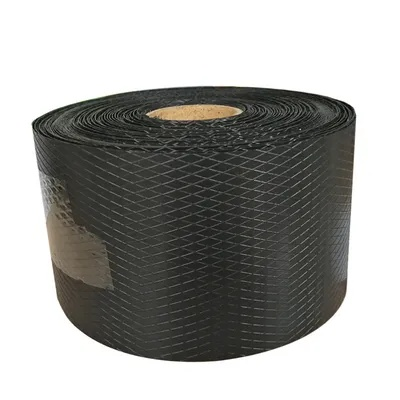
Heavy structural masonry walls subject foundation materials to severe mechanical loads, ground settlement shifts, and aggressive chemical environments. While damp proof course membranes block moisture migration across horizontal bed joints, unsealed lap interfaces remain vulnerable to capillary action and lateral displacement. Installing a certified dpc lap joint sealing tape provides the necessary shear bond strength and chemical resistance to keep overlapping sheets intact under heavy brickwork. Many commercial structural defects originate when contractors treat laps as simple passive overlays without elastomeric bonding. Specifying industrial-grade dpc lap joint sealing tape guarantees an airtight, watertight barrier capable of tolerating mechanical joint movement. For commercial builders and distributor networks, choosing premium dpc lap joint sealing tape ensures compliance with international building standards and eliminates premature foundation moisture claims.
Masonry structures do not remain completely static after construction. Soil settlement, live building loads, and thermal expansion exert continuous shear stresses across horizontal bed joints. When unbonded laps experience lateral forces, unsealed sheets shift microscopically, breaking moisture continuity. A specialized dpc lap joint sealing tape utilizes high-cohesion polyisobutylene elastomeric compounds that absorb horizontal movement without debonding. Furthermore, the massive compressive weight of concrete blocks can squeeze low-density adhesives out of the seam, creating dry voids. Engineered dpc lap joint sealing tape contains structural stabilizers that resist compressive creep while maintaining full contact margins. Sourcing resilient dpc lap joint sealing tape ensures that overlapping damp proof materials remain firmly locked together under multi-story structural loading.
Fresh Portland cement mortar creates a harsh alkaline environment with pH values frequently exceeding twelve. Standard packaging films, duct adhesives, and consumer-grade tapes quickly degrade when exposed to calcium hydroxide moisture inside wet mortar joints. An industrial dpc lap joint sealing tape incorporates alkali-resistant butyl compounds that withstand prolonged alkaline hydrolysis without hardening or liquefying. In addition, subterranean soil moisture often carries dissolved sulfate salts and acidic contaminants that attack vulnerable seams. Installing certified dpc lap joint sealing tape shields the damp proof course splice from chemical degradation, preserving adhesive tack for decades. Commercial specifiers must demand third-party test data confirming that their dpc lap joint sealing tape resists chemical aging in continuous alkaline exposure.
Evaluating dpc lap joint sealing tape requires reviewing quantitative mechanical performance metrics rather than subjective stickiness. Standard testing protocols measure peel adhesion to polyethylene membranes and lap shear resistance under sustained loads. A high-performance dpc lap joint sealing tape typically achieves peel adhesion values exceeding fifteen Newtons per centimeter and maintains dimensional stability across extreme temperature ranges. Furthermore, low-temperature flexibility tests ensure that dpc lap joint sealing tape does not develop micro-cracks when installed during winter masonry work. Sourcing laboratory-verified dpc lap joint sealing tape provides contractors with documented proof that the product satisfies ASTM and European EN damp-proofing performance requirements.
Supervising engineers should implement rigorous quality control checkpoints during horizontal bed joint construction. Before placing dpc lap joint sealing tape, workers must scrub the lap surfaces with dry cloths to remove fine silica dust, masonry grit, and residual moisture. Technicians should position the dpc lap joint sealing tape along the center of the overlap, peeling the release backing smoothly without stretching the viscoelastic ribbon. Applying focused mechanical pressure using a narrow weighted steel roller forces the adhesive to penetrate surface textures. Quality inspectors must verify that no edge wrinkles, bridging channels, or fishmouths exist along the installed dpc lap joint sealing tape run. Signing off on the dpc lap joint sealing tape inspection log before laying the next course of masonry prevents hidden moisture defects.
Wholesale distributors and civil engineering firms require verified manufacturing consistency when sourcing waterproofing accessories in volume. Shandong Dingtai Waterproof Technology Co., Ltd. manufactures heavy-duty dpc lap joint sealing tape under the JinDingTai brand, enforcing strict dimensional tolerances and adhesive mass controls. Sourcing high-performance dpc lap joint sealing tape directly from an established manufacturing plant guarantees superior aging stability and uniform release properties. In addition, JinDingTai provides customized roll widths and thickness configurations to match specialized cavity wall profiles and heavy foundation details. Procuring certified dpc lap joint sealing tape protects commercial developments from expensive damp remediation and ensures enduring structural integrity.
Engineered dpc lap joint sealing tape utilizes cross-linked elastomeric polymers and synthetic resins that resist compressive creep. When multi-story concrete blocks are laid over the joint, the dpc lap joint sealing tape distributes mechanical pressure evenly, preventing the adhesive core from squeezing out while maintaining an impenetrable moisture seal.
Wet masonry mortar produces high concentrations of calcium hydroxide with a pH above twelve. Generic rubber or acrylic adhesives suffer from alkaline hydrolysis, which dissolves the polymer chains and leaves a brittle, powdery residue. High-grade dpc lap joint sealing tape is chemically inert, allowing it to withstand alkaline contact throughout the life of the mortar joint.
On load-bearing masonry walls, the standard recommended lap width is at least one hundred and fifty millimeters. Placing a continuous band of dpc lap joint sealing tape centered within this lap ensures a balanced bonding margin on both sides, effectively blocking capillary groundwater intrusion and soil gas penetration.

2026/11/20
How an APP waterproof membrane handles heat: 130°C softening point, torch application windows, overheating signs, summer storage, and thermal aging checks.

2026/11/20
The science of a breathable waterproof membrane: water vapor diffusion, Sd values, three grammage grades, water column resistance, and wrong-use cases.

2026/11/20
Single-ply or two-ply, every flat roof is a stack. See how a self adhesive waterproof membrane for roof systems handles base, cap, insulation and drains.

2026/11/20
How the polyester scrim sets tensile strength and dimensional stability of reinforced TPO membrane rolls, with welding, roll sizes and selection tips.

2026/11/20
How an aluminum foil coated bitumen waterproof membrane reflects solar radiation, lowers surface temperature, and what maintenance keeps savings alive.

2026/11/20
SBS modified bitumen waterproof membrane property groups: tensile strength, low-temperature flexibility, heat resistance, surface finishes, applications.
Links to the corresponding full news page.

The eight questions overseas buyers ask most — factory ownership, capacity, batch consistency and lead times, answered straight.

SBS membranes, polymer sheets, coatings and geomembranes — six product lines are operating simultaneously.

Pre-sales specification, on-site technical support and post-delivery maintenance across 100+ export markets.

Waterproofing performance is decided in the specification and the detailing, not just the material. Our technical team helps you select the right system, resolve site questions as they arise, and stay reachable long after the container lands.
