 EN
APP Waterproof Membrane: High-Temperature Stability Guide
2026/11/20
How an APP waterproof membrane handles heat: 130°C softening point, torch application windows, overheating signs, summer storage, and thermal aging checks.

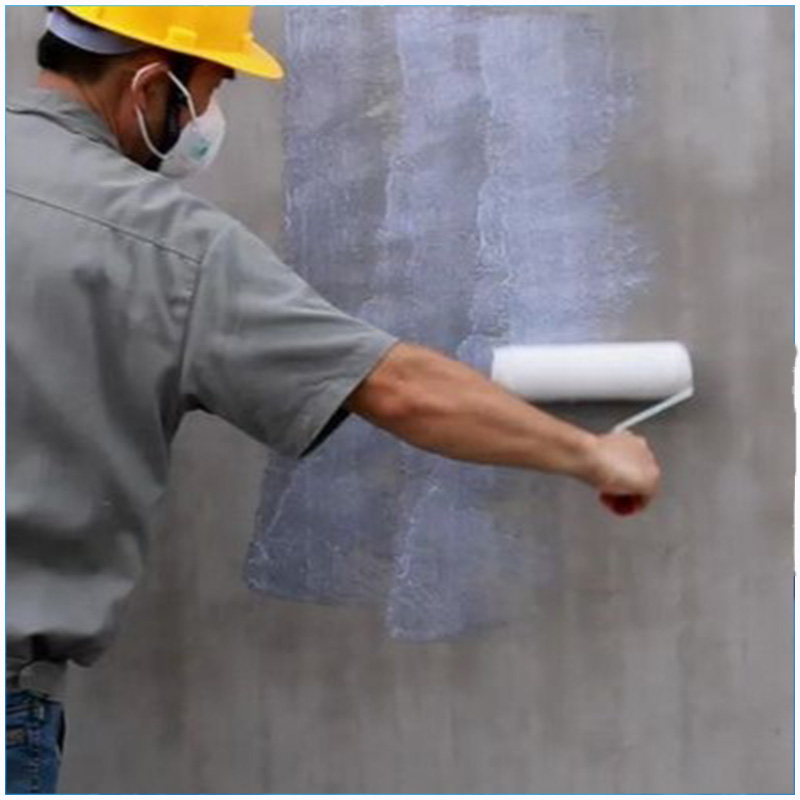
Across modern commercial and residential building projects, environmental responsibility and jobsite safety have become just as important as long-term water resistance. In our extensive practical experience supplying liquid waterproofing systems for international contractors, traditional solvent-borne coatings often create severe headaches when applied inside enclosed basements, residential bathrooms, hospitals, and occupied office renovations. Heavy chemical fumes from petrochemical solvents linger in poorly ventilated rooms, posing fire hazards and health risks to application crews. Choosing an Eco Friendly Water-Based Waterproof Coating solves these operational challenges by using clean water as the primary dispersion carrier instead of volatile organic solvents. As the water evaporates during the curing stage, the coating forms a tough, seamless, and odorless protective barrier without releasing toxic vapors into the surrounding air. Today, specifying an Eco Friendly Water-Based Waterproof Coating is no longer just a green marketing preference; it is an essential engineering requirement for safe, compliant, and sustainable construction.
Many traditional builders once assumed that switching from solvent-based paints to waterborne formulas meant sacrificing adhesion or weather resistance, but modern polymer chemistry has completely closed that gap. From a materials science standpoint, an Eco Friendly Water-Based Waterproof Coating relies on advanced aqueous polymer dispersion technology, where microscopic elastomeric resin particles—such as pure acrylic, waterborne polyurethane, or polymer-modified emulsified asphalt—are suspended uniformly in water. Once brushed, rolled, or sprayed onto concrete, masonry, or metal substrates, the water carrier penetrates microscopic surface pores and gradually evaporates, drawing the polymer spheres together into a dense, cross-linked, and continuous membrane. Because this Water-Based Waterproof Coating cures into a flexible monolithic sheet, it stretches and recovers with thermal structural movement, bridges hairline shrinkage cracks, and resists ultraviolet aging on exposed roofs just as reliably as legacy chemical-solvent systems.
Authoritative international green building frameworks and occupational safety regulations place strict limits on volatile organic compound emissions in construction materials. When solvent-heavy waterproofing liquids are installed inside apartment buildings, schools, or food-grade warehouses, residual solvent outgassing can contaminate indoor air quality for weeks after project handover. By contrast, an Eco Friendly Water-Based Waterproof Coating is formulated to be non-toxic, low in volatile organic compounds, and free of pungent chemical odors. This clean chemical profile protects waterproofing applicators from respiratory irritation during long shifts in confined underground utility tunnels or windowless wet rooms, while allowing other interior finishing trades to work nearby without disruption. Furthermore, when applied to potable water surroundings, planter boxes, or vegetated green roofs, a certified Eco Friendly Water-Based Waterproof Coating prevents chemical leaching into soil and rainwater runoff, safeguarding both human occupants and the local ecosystem.
Beyond environmental compliance, using an Eco Friendly Water-Based Waterproof Coating brings tangible productivity and cost benefits directly to the construction site. One of the biggest frustrations contractors face with solvent-based coatings is their sensitivity to residual substrate dampness; if concrete is not bone-dry, solvent films easily trap vapor and develop blisters. Because a Water-Based Waterproof Coating is naturally compatible with moisture during its liquid state, it wets out damp-dry concrete and cement mortar surfaces smoothly, penetrating capillary pores to establish a tight mechanical bond without bubbling. In addition, jobsite cleanup becomes faster and safer because brushes, rollers, and airless spray hoses can be washed out with plain water immediately after work rather than purchasing expensive, flammable chemical thinners. Unused material left in a tightly sealed pail retains stable shelf life for future touch-ups, minimizing material waste across multi-phase building schedules.
For international building material importers, distributors, and project developers, procurement efficiency depends heavily on safe warehousing and predictable ocean shipping. Because solvent-borne coatings are classified as flammable hazardous cargo, they require specialized chemical containers, higher marine insurance premiums, and strict warehouse fire-safety permits. Sourcing an Eco Friendly Water-Based Waterproof Coating eliminates these supply chain bottlenecks because waterborne formulations are non-flammable and classified as non-hazardous goods for standard sea, rail, and road freight. Working directly with our manufacturing facility allows global buyers to customize their Eco Friendly Water-Based Waterproof Coating across multiple product lines—including solar-reflective roof acrylics, flexible waterborne polyurethane membranes, and two-component polymer cement slurries. We support private-label distributors with tailored colors, viscosity adjustments, branded pail packaging, and strict batch quality verification so every shipment arrives safely and performs dependably on site.
Yes, high-quality waterborne acrylic and water-based polyurethane coatings are specifically engineered to withstand direct sunlight, heavy rain, and thermal expansion on exposed roofs. Once fully cured, the cross-linked polymer film becomes completely water-insoluble, ultraviolet-stable, and highly elastic for long-term exterior weather protection.
Because waterborne coatings rely on water evaporation to form a solid film, they should be applied when ambient temperatures are securely above freezing and when no rain is forecast before the film dries. High air humidity or low temperatures will slow down evaporation, so ensuring good airflow helps the membrane cure evenly.
Water-based waterproof coatings are non-flammable and non-hazardous, which means importers can ship them in standard ocean containers without paying hefty hazardous-cargo surcharges. They can also be stored in regular building material warehouses without requiring explosion-proof ventilation or special chemical storage permits.

2026/11/20
How an APP waterproof membrane handles heat: 130°C softening point, torch application windows, overheating signs, summer storage, and thermal aging checks.

2026/11/20
The science of a breathable waterproof membrane: water vapor diffusion, Sd values, three grammage grades, water column resistance, and wrong-use cases.

2026/11/20
Single-ply or two-ply, every flat roof is a stack. See how a self adhesive waterproof membrane for roof systems handles base, cap, insulation and drains.

2026/11/20
How the polyester scrim sets tensile strength and dimensional stability of reinforced TPO membrane rolls, with welding, roll sizes and selection tips.

2026/11/20
How an aluminum foil coated bitumen waterproof membrane reflects solar radiation, lowers surface temperature, and what maintenance keeps savings alive.

2026/11/20
SBS modified bitumen waterproof membrane property groups: tensile strength, low-temperature flexibility, heat resistance, surface finishes, applications.
Links to the corresponding full news page.

The eight questions overseas buyers ask most — factory ownership, capacity, batch consistency and lead times, answered straight.

SBS membranes, polymer sheets, coatings and geomembranes — six product lines are operating simultaneously.

Pre-sales specification, on-site technical support and post-delivery maintenance across 100+ export markets.

Waterproofing performance is decided in the specification and the detailing, not just the material. Our technical team helps you select the right system, resolve site questions as they arise, and stay reachable long after the container lands.
