 EN
APP Waterproof Membrane: High-Temperature Stability Guide
2026/11/20
How an APP waterproof membrane handles heat: 130°C softening point, torch application windows, overheating signs, summer storage, and thermal aging checks.

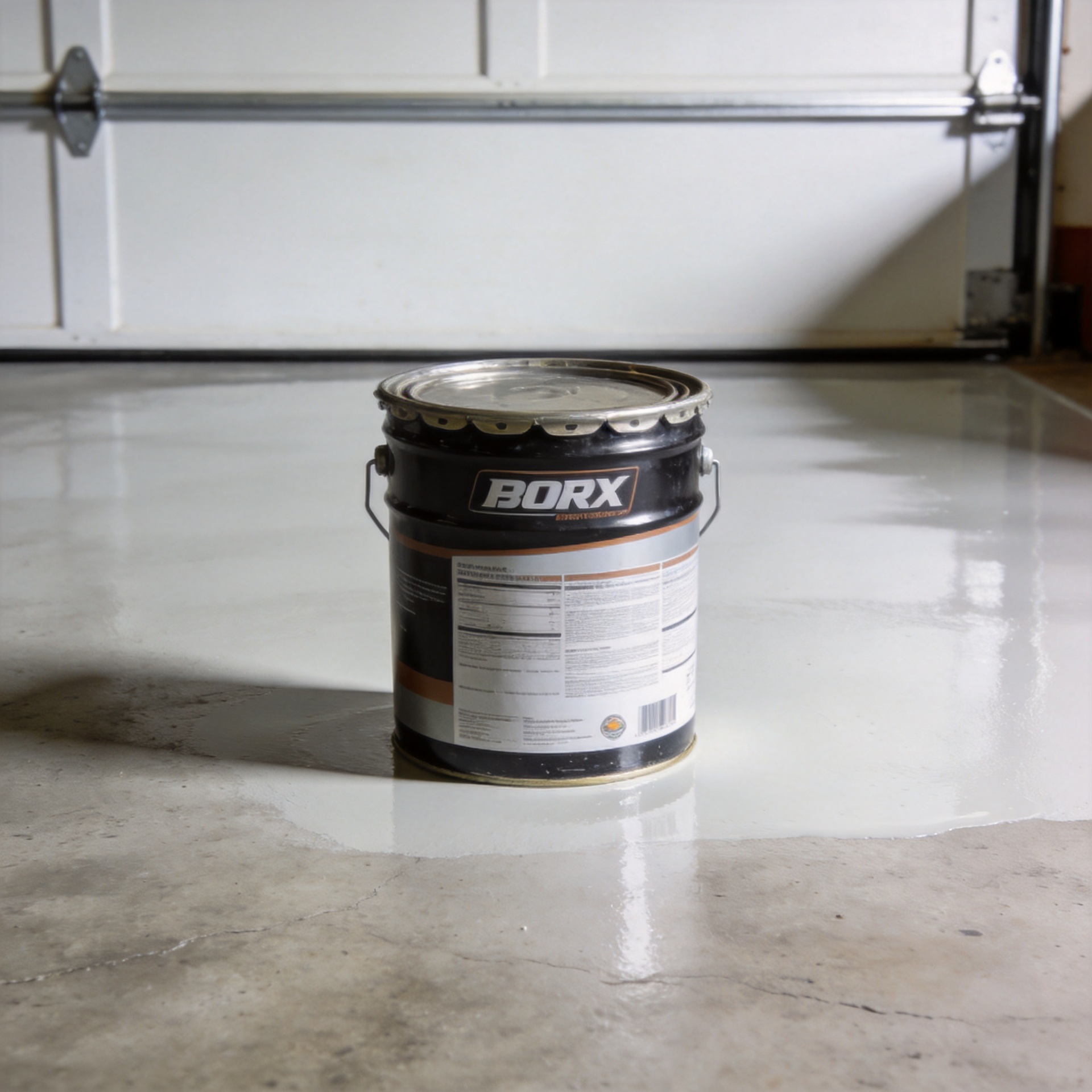
Transforming a stained, dusting, or oil-soaked concrete bay with an epoxy floor paint for garage system is one of the most effective upgrades for residential automotive enthusiasts, commercial fleet bays, and mechanical workshops. However, evaluating garage floor coating cost requires looking far beyond the retail price printed on a single pail of resin. In professional flooring contracting, the true installed investment and multi-year durability are governed by concrete slab remediation, moisture vapor mitigation, percentage of resin volume solids, and total cured film build. For property owners, facility managers, and B2B procurement teams reviewing contractor bids, the decisive question is not which quotation offers the lowest square-meter rate, but rather which specification addresses the exact mechanical and thermal stresses the slab will endure.
Both a thin hardware-store roller kit and an industrial multi-layer resin garage flooring assembly are frequently marketed under the generic label of epoxy. Yet these two approaches differ drastically in cross-link density, chemical resistance, diamond-grinding requirements, and hot-tire adhesion. Understanding these structural differences provides the foundation for establishing an accurate project budget and realistic lifecycle expectations.
Industry averages for installing an epoxy floor paint for garage assembly typically span a wide price spectrum per square foot or square meter, making generic online cost calculators unreliable for site-specific budgeting. Total square footage is merely the baseline variable. A newly poured, dry two-car residential bay with smooth concrete requires minimal surface remediation, whereas an aging commercial service bay saturated with petroleum grease, spalled expansion joints, and hydrostatic ground moisture demands intensive mechanical preparation and specialized primers.
To evaluate a garage floor coating cost proposal accurately, buyers must break the quotation down into five core engineering components. First, concrete assessment and mechanical profiling dictate initial labor hours; contractors must degrease oil spots and utilize walk-behind diamond grinders or shot-blasters to achieve an International Concrete Repair Institute profile of CSP 2 or CSP 3, opening the concrete pores for mechanical bonding. Second, sub-slab moisture management often shifts material budgets significantly; if calcium chloride or relative humidity probes reveal elevated vapor drive, installers must apply a dedicated two-component moisture-vapor-mitigating epoxy primer before topcoating, adding both material expense and curing time.
Third, the specified system build directly controls resin consumption. A basic two-coat roller application consumes far less material than a high-build waterproof epoxy floor paint assembly incorporating a penetrating primer, a high-solids epoxy body coat, a full broadcast of decorative vinyl flakes or quartz aggregate, and an ultraviolet-stable polyaspartic or polyurethane clear topcoat. Fourth, structural crack and joint chasing requires routing out dynamic fractures and filling them with elastomeric polyurea or semi-rigid epoxy mortar so substrate movement does not telegraph through the cured film. Fifth, ambient temperature controls, ventilation logistics, and phased return-to-service schedules influence labor mobilization expenses.
Much of the confusion surrounding garage floor coating cost stems from conflating water-based single-component floor paints with true two-component 100-percent solids thermoset epoxy systems. Entry-level retail kits typically contain less than forty to fifty percent volume solids suspended in water or weak solvents. Once the liquid carrier evaporates, the remaining dry film measures only two to three mils thick, offering little more than temporary dust control. When a vehicle drives onto a thin, low-solids coating after highway travel, the hot rubber tires expand and soften the weak film; as the tires cool and contract, they pull the coating directly off the concrete in a classic failure mode known as hot-tire pickup.
In contrast, specifying a commercial waterproof epoxy floor paint for garage and workshop environments utilizes catalyzed polyamide or cycloaliphatic amine curing agents that chemically cross-link into a dense, heat-resistant plastic armor exceeding fifteen to thirty mils in dry thickness. While a commercial resin garage flooring system carries a higher upfront material cost, it forms an impermeable barrier against brake fluid, battery acid, gasoline spills, and road de-icing salts. Furthermore, integrating a waterproof epoxy floor paint seals the concrete surface against liquid spills, provided the installer first addresses upward-migrating ground vapor and perimeter drainage slopes.
There is no universal expiration date for an epoxy floor paint for garage installation, as service longevity is a direct outcome of resin chemistry, substrate preparation, and operational wear. In field performance, a thin single-component DIY paint kit often shows peeling and tire tracking within one to three years. Conversely, a professionally diamond-ground, multi-coat 100-percent solids epoxy and polyurethane system routinely delivers ten to fifteen years or more of heavy-duty service before requiring a maintenance topcoat refresh.
To project how long a specific resin garage flooring installation will last, facility owners must audit six ongoing environmental stressors. First, daily vehicular traffic density, power-steering tire twisting, and hot-tire thermal transfer continuously test the tensile bond at the concrete interface. Second, mechanical impact and abrasion from dropped steel wrenches, hydraulic floor jacks, rolling toolboxes, and tracked-in winter gravel gradually wear down the sacrificial clear topcoat. Third, prolonged contact with uncleaned automotive fluids, transmission oils, and calcium chloride road salts attacks lower-grade resins if spills are left to sit for days.
Fourth, direct solar ultraviolet radiation streaming through open garage bay doors will cause standard aromatic epoxy resins to amber, yellow, and eventually chalk unless shielded by an aliphatic polyurethane or polyaspartic sacrificial finish coat. Fifth, unmitigated structural slab settling or hydrostatic vapor pressure from beneath the concrete can create osmotic blisters over time. Sixth, routine housekeeping habits play a decisive role; floors that are regularly dust-mopped and washed with pH-neutral detergents maintain their gloss and anti-slip traction far longer than neglected bays scrubbed with abrasive scouring pads.
Before signing a contractor proposal or issuing a wholesale material order for an epoxy floor paint for garage project, buyers should convert verbal assurances into a verifiable written specification. Require every bidding installer or coating supplier to state the exact diamond-grinding profile, the volume solids percentage of each layer, the target wet-film and dry-film thickness in mils or micrometers, and the specific moisture-vapor tolerance in pounds or relative humidity percentage. Confirm whether the quoted garage floor coating cost includes routing and filling contraction joints, coved perimeter baseboard detailing, and calibrated anti-slip aggregate broadcasting to prevent wet-footing slips.
Additionally, clarify the exact curing milestones required before returning the bay to active service. Standard two-component epoxies typically require twenty-four hours for light foot traffic, forty-eight to seventy-two hours before parking passenger vehicles, and up to seven days for full chemical cure under cool ambient temperatures. By evaluating epoxy floor paint for garage cost against verified dry-film thickness, mechanical diamond preparation, and hot-tire resistance rather than chasing the lowest initial price, property owners and contractors can secure a high-performance waterproof epoxy floor paint floor built for decades of reliable service.

2026/11/20
How an APP waterproof membrane handles heat: 130°C softening point, torch application windows, overheating signs, summer storage, and thermal aging checks.

2026/11/20
The science of a breathable waterproof membrane: water vapor diffusion, Sd values, three grammage grades, water column resistance, and wrong-use cases.

2026/11/20
Single-ply or two-ply, every flat roof is a stack. See how a self adhesive waterproof membrane for roof systems handles base, cap, insulation and drains.

2026/11/20
How the polyester scrim sets tensile strength and dimensional stability of reinforced TPO membrane rolls, with welding, roll sizes and selection tips.

2026/11/20
How an aluminum foil coated bitumen waterproof membrane reflects solar radiation, lowers surface temperature, and what maintenance keeps savings alive.

2026/11/20
SBS modified bitumen waterproof membrane property groups: tensile strength, low-temperature flexibility, heat resistance, surface finishes, applications.
Links to the corresponding full news page.

The eight questions overseas buyers ask most — factory ownership, capacity, batch consistency and lead times, answered straight.

SBS membranes, polymer sheets, coatings and geomembranes — six product lines are operating simultaneously.

Pre-sales specification, on-site technical support and post-delivery maintenance across 100+ export markets.

Waterproofing performance is decided in the specification and the detailing, not just the material. Our technical team helps you select the right system, resolve site questions as they arise, and stay reachable long after the container lands.
