 EN
APP Waterproof Membrane: High-Temperature Stability Guide
2026/11/20
How an APP waterproof membrane handles heat: 130°C softening point, torch application windows, overheating signs, summer storage, and thermal aging checks.

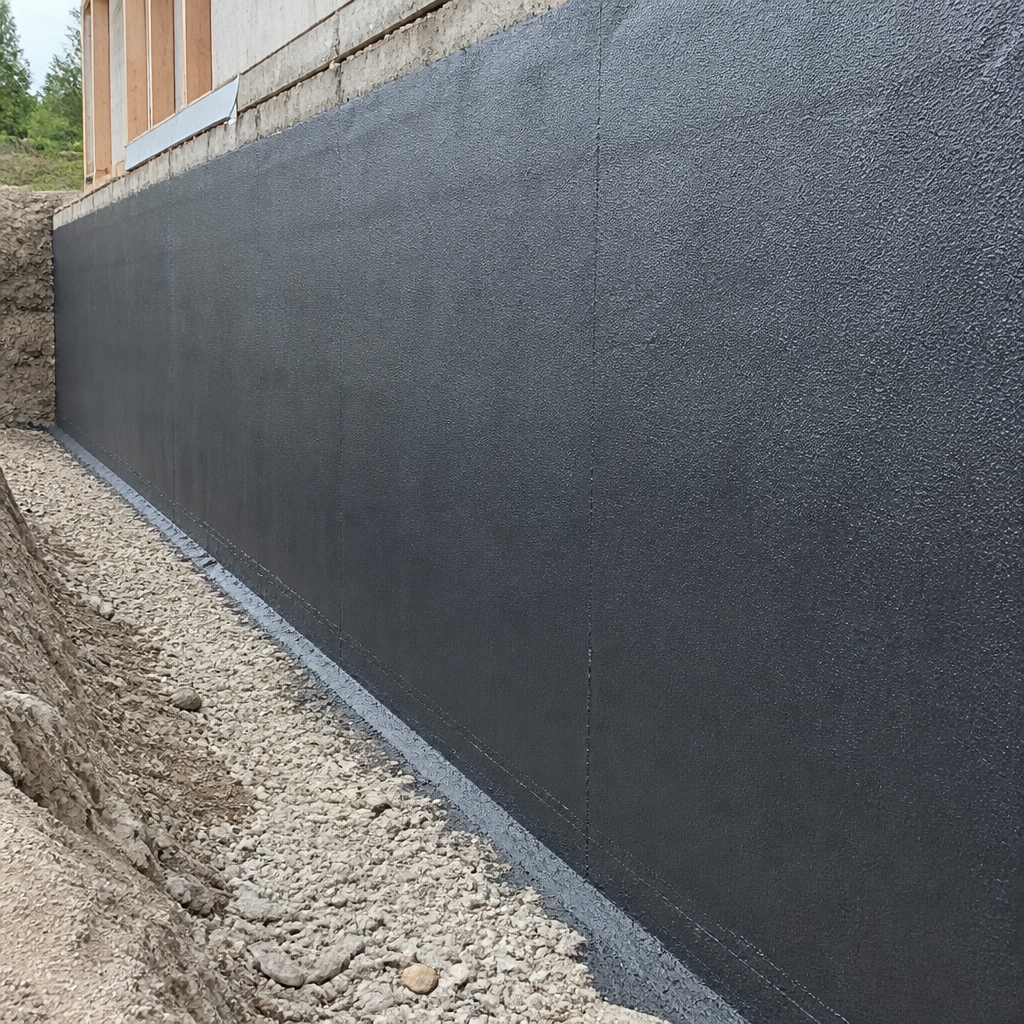
Exterior Building Materials are essential for protecting buildings against rain, wind, sunlight, and changing temperatures. Over time, these environmental factors can affect exterior surfaces, joints, and the layers that prevent moisture from entering a structure. Selecting suitable materials requires more than considering appearance or purchase price. Builders must understand how different products manage water, interact with the substrate, and contribute to the durability of the entire building envelope.
Water can enter a building through cracked surfaces, poorly sealed windows, roof edges, and connections between different construction materials. Porous substrates may also absorb moisture when drainage is inadequate. Choosing appropriate Exterior Building Materials begins with identifying these vulnerable areas and determining which type of waterproofing protection is required. Depending on the project, the solution may involve a waterproof membrane, breathable membrane, protective coating, or compatible sealing tape.
DT Waterproof provides several waterproofing product categories, including asphalt waterproof membranes, polymer waterproof membranes, breathable waterproof membranes, waterproof coatings, and waterproof tapes. Each category serves different construction requirements. Understanding these differences helps contractors, distributors, and property owners make more informed decisions about exterior protection.
The performance of Exterior Building Materials depends on their intended application and installation environment. Roofing projects often require waterproof layers that protect the structure from rainfall and help prevent water from reaching the interior. Asphalt membranes and polymer membranes are potential options, depending on the roof design, substrate, and specified waterproofing system.
DT Waterproof offers bitumen-based membranes and polymer membrane products, including TPO and PVC options. These products have different material characteristics and installation requirements. Before selecting a membrane, buyers should review the manufacturer's technical documentation and confirm its suitability for the intended roof assembly. Seam treatment, substrate preparation, drainage, and exposure conditions should all be considered during product selection.
Exterior walls may require a different combination of protective materials. Breathable waterproof membranes are designed to resist liquid water while allowing water vapor to pass through under specified conditions. This can be useful in wall assemblies where moisture management is an important design consideration. Waterproof coatings may suit certain compatible surfaces, while waterproof tapes can help seal joints and transitions where the product is intended for that use.
When comparing Exterior Building Materials, avoid assuming that one product can perform every waterproofing function. A membrane designed for a particular roof assembly may not be suitable for an exposed wall. Checking the intended application and compatibility requirements helps reduce the risk of material selection errors.
Local climate is an important factor when evaluating Exterior Building Materials. Buildings in rainy regions need effective water management, particularly around openings, joints, and roof-to-wall connections. In areas with strong sunlight, buyers should check whether the selected material is suitable for its expected ultraviolet exposure. In colder climates, temperature fluctuations can place additional stress on joints and protective layers.
Material compatibility also affects the overall result. Waterproof membranes, coatings, tapes, and substrates must work together according to the selected system's requirements. A coating applied to an unsuitable or contaminated surface may not adhere properly. Similarly, an incompatible sealing tape may create a weak connection between adjacent materials. Reviewing product instructions before installation can help prevent these problems.
Technical information should be based on the relevant product data sheet and available test documentation. Depending on the application, important properties may include water resistance, flexibility, vapor permeability, adhesion, and weathering performance. These characteristics should not be assumed to apply equally to every product. If a project requires compliance with a specific building code or standard, the relevant documentation should be confirmed with the supplier and the responsible construction professional.
For buyers sourcing Exterior Building Materials in bulk, checking technical documents before placing an order is especially useful. Product samples, installation instructions, and written confirmation of intended applications can help clarify whether a material matches the project requirements.
Even suitable Exterior Building Materials may fail to provide the intended protection if installation is incomplete. Water frequently enters through vulnerable connections rather than through the middle of an otherwise intact surface. Window perimeters, door openings, parapets, drainage outlets, pipe penetrations, and roof-to-wall junctions therefore require careful detailing.
Before installation, inspect the substrate for dust, oil, loose particles, standing water, cracks, and uneven areas. Prepare the surface according to the manufacturer's instructions. During application, follow the specified requirements for bonding, overlaps, seam treatment, curing, and weather protection. Where several waterproofing components are used together, verify that the products are compatible and that their connections form a continuous protective layer.
Quality control should include checking drainage routes, membrane edges, sealed joints, and transitions between different building components. Photographs of concealed installation work and records of the products used can also support future maintenance. These practical measures help Exterior Building Materials function as a coordinated system instead of separate layers with vulnerable gaps.
Long-term durability depends on material suitability, workmanship, environmental exposure, and maintenance. When purchasing Exterior Building Materials, contractors and distributors should identify the intended application, substrate type, installation method, local weather conditions, and required technical documentation. Comparing products only by price or thickness may overlook important differences in their functions and installation requirements.
DT Waterproof's range of waterproofing membranes, breathable membranes, coatings, and tapes provides several categories for consideration. The appropriate option depends on the project specification and the confirmed properties of the individual product. For larger projects, reviewing samples and technical documents before bulk purchasing can help buyers assess compatibility and avoid selecting materials that are unsuitable for the intended application.
Maintenance should continue after construction is completed. Inspect vulnerable joints, roof edges, drainage outlets, visible coatings, and areas showing dampness or water staining. Additional checks after severe weather can help identify damage before it develops into a larger problem. If a leak occurs, investigate its source before applying a surface repair, because visible water damage may appear away from the actual entry point.
In conclusion, Exterior Building Materials provide more dependable protection when product selection, installation, drainage, and maintenance are planned together. Matching each material to its intended function can help manage moisture, reduce avoidable repair work, and support the service life of the building envelope. Reviewing technical documentation and consulting qualified professionals for complex applications are practical steps toward effective weatherproofing.
Depending on the application, suitable options may include asphalt membranes, polymer membranes, breathable waterproof membranes, waterproof coatings, and compatible sealing tapes. The final selection should reflect the building design, substrate, weather exposure, and product instructions.
Not necessarily. Products may have different intended applications, installation methods, and performance characteristics. Always review the technical documentation and confirm that the material is suitable for the specific roof or wall assembly.
Choose compatible products, prepare the substrate correctly, pay attention to joints and transitions, maintain drainage, and inspect vulnerable areas periodically. Investigate leaks promptly and address the underlying cause rather than covering only visible damage.

2026/11/20
How an APP waterproof membrane handles heat: 130°C softening point, torch application windows, overheating signs, summer storage, and thermal aging checks.

2026/11/20
The science of a breathable waterproof membrane: water vapor diffusion, Sd values, three grammage grades, water column resistance, and wrong-use cases.

2026/11/20
Single-ply or two-ply, every flat roof is a stack. See how a self adhesive waterproof membrane for roof systems handles base, cap, insulation and drains.

2026/11/20
How the polyester scrim sets tensile strength and dimensional stability of reinforced TPO membrane rolls, with welding, roll sizes and selection tips.

2026/11/20
How an aluminum foil coated bitumen waterproof membrane reflects solar radiation, lowers surface temperature, and what maintenance keeps savings alive.

2026/11/20
SBS modified bitumen waterproof membrane property groups: tensile strength, low-temperature flexibility, heat resistance, surface finishes, applications.
Links to the corresponding full news page.

The eight questions overseas buyers ask most — factory ownership, capacity, batch consistency and lead times, answered straight.

SBS membranes, polymer sheets, coatings and geomembranes — six product lines are operating simultaneously.

Pre-sales specification, on-site technical support and post-delivery maintenance across 100+ export markets.

Waterproofing performance is decided in the specification and the detailing, not just the material. Our technical team helps you select the right system, resolve site questions as they arise, and stay reachable long after the container lands.
