
 EN
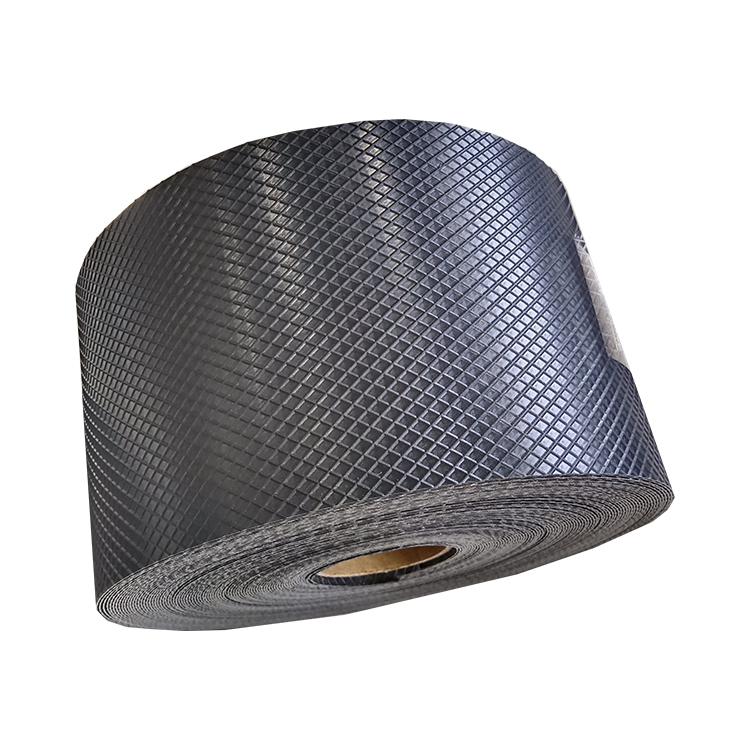
Buyers searching for an HDPE self adhesive waterproof membrane picture one thing: a tough carrier film bonded to a self-adhesive compound, unrolled as a heavy-duty liner. The demand is real, but published performance lives or dies with the datasheet. This page explains the category, states what the catalogue carries and sets out the numbers that exist - on the self adhesive bitumen membrane rolls, the heavy duty butyl tape for details, the SBS modified bitumen membrane builds and the mineral surfaced membrane.
What the Category Means
Generically, an HDPE self adhesive waterproof membrane is a laminate: a polyethylene carrier for strength and puncture resistance, an adhesive layer for the bond. The appeal is obvious - the carrier takes the damage while the bond, a self adhesive bitumen membrane layer, skips torch and primer. The catch is that performance depends on both layers at once, and no single number describes the laminate. A buyer without a datasheet for a specific build has no basis for claiming values, and neither does a supplier. That honesty rule shapes this page.
What the Catalogue Actually Lists
The plain statement: in this line, HDPE appears as a drainage board - a dimpled sheet, stud height 20-25 mm, for protection and drainage against buried walls. No HDPE self adhesive waterproof membrane roll is published here, so no parameters are claimed for one; a supplier quoting one should show its own datasheet first. What is published, and what carries the heavy-duty self-adhesive duty in practice, is a family of self adhesive bitumen membrane rolls on modified compounds, plus a butyl tape for joints.
Peel Strength: 1.5 Versus 2.0 N/mm
Peel adhesion decides whether a bonded sheet stays where it is laid, and the gap between 1.5 and 2.0 N/mm is not cosmetic. The roll systems publish ≥1.5 N/mm, securing laps and vertical application below grade. The heavy duty butyl tape publishes ≥2.0 N/mm, and that extra bond is what detail work needs: tape bridges joints and patches penetrations, where a failing bond cannot be re-pressed by water pressure as a field sheet can. A useful rule follows - the smaller the bonded area, the higher the peel figure - which is why a 2.0 mm butyl tape and an SBS modified bitumen membrane roll sit in different tiers of one logic, and the mineral surfaced membrane at the top.
The Heavy Systems: 1.5 mm Granule and 3 mm Stone Chip
The heavy lifting below grade is done by two self-adhesive builds: a 1.5 mm roll with a granule surface, and a 3 mm stone-chip grade. Both are self adhesive bitumen membrane systems in the SBS modified bitumen membrane family, numbers published. The 1.5 mm granule roll shows peel ≥1.5 N/mm, tensile ≥400 N/50 mm, flexibility at -15°C and heat resistance to 90°C. The 3 mm stone-chip mineral surfaced membrane shows peel ≥1.5 N/mm, tensile ≥700 N/50 mm, elongation ≥30%, flexibility at -20°C, heat resistance 90°C, tested to EN 12691. That ≥700 N/50 mm figure is heavy-duty made mechanical: it lets the stone-chip face take backfill impact and survive the protection mistakes a site makes - a pairing an HDPE self adhesive waterproof membrane seeker should note.
Butyl Tape: Roles and Limits
The heavy duty butyl tape in this line is a 2.0 mm pure-butyl product, 300-1000 mm wide, with peel ≥2.0 N/mm and watertightness of 0.4 MPa. Its roles: sealing joints between boards and panels, patching penetrations and damage, closing overlaps where an SBS modified bitumen membrane roll system needs reinforcement. Its limits: tape is a detail material, not a field liner, and it performs only where the substrate is sound, dust-free and pressed home with a roller. In its width range it beats a mineral surfaced membrane lap: a thick, gap-filling, high-peel seal with no torch and no cure time.
Choosing a Heavy-Duty Build
Selection follows exposure. For a protected below-grade wall, the 1.5 mm granule self adhesive bitumen membrane build is the working choice; where backfill is rough or the pour presses directly on the liner, what earns its keep is the 3 mm stone-chip mineral surfaced membrane at 700 N/50 mm. Joints and repairs go to the heavy duty butyl tape at ≥2.0 N/mm; drainage behind everything is the HDPE board at 20-25 mm studs. One contractor lining a lift pit detail ran the stone-chip roll over the base, taped the liner-to-structure joint, and let the drainage board carry the backfill - three published products, each in its own tier, the SBS modified bitumen membrane datasheets doing the talking.
Frequently Asked Questions
Does a higher peel figure replace good surface preparation?
No. A peel figure - ≥1.5 N/mm on a roll, ≥2.0 N/mm on heavy duty butyl tape - assumes a sound, clean, dry substrate. Dust defeats any published HDPE self adhesive waterproof membrane value, whatever the carrier.
Is the stone-chip face only for roofs?
No. The 3 mm stone-chip mineral surfaced membrane is tested to EN 12691, rated ≥700 N/50 mm with 90°C heat resistance - the profile a heavy-duty liner needs from an SBS modified bitumen membrane build. Roofs are one market; backfill and pours are tougher; where joints are the problem, the heavy duty butyl tape takes over.
What should a buyer ask about this category?
The datasheet. Since no HDPE self adhesive waterproof membrane roll is published here - only the 20-25 mm drainage board - any quoted build must bring its own tensile, peel and watertightness figures, alongside the published numbers for the self adhesive bitumen membrane rolls, the mineral surfaced membrane and the heavy duty butyl tape that do the heavy work.










