 EN
APP Waterproof Membrane: High-Temperature Stability Guide
2026/11/20
How an APP waterproof membrane handles heat: 130°C softening point, torch application windows, overheating signs, summer storage, and thermal aging checks.

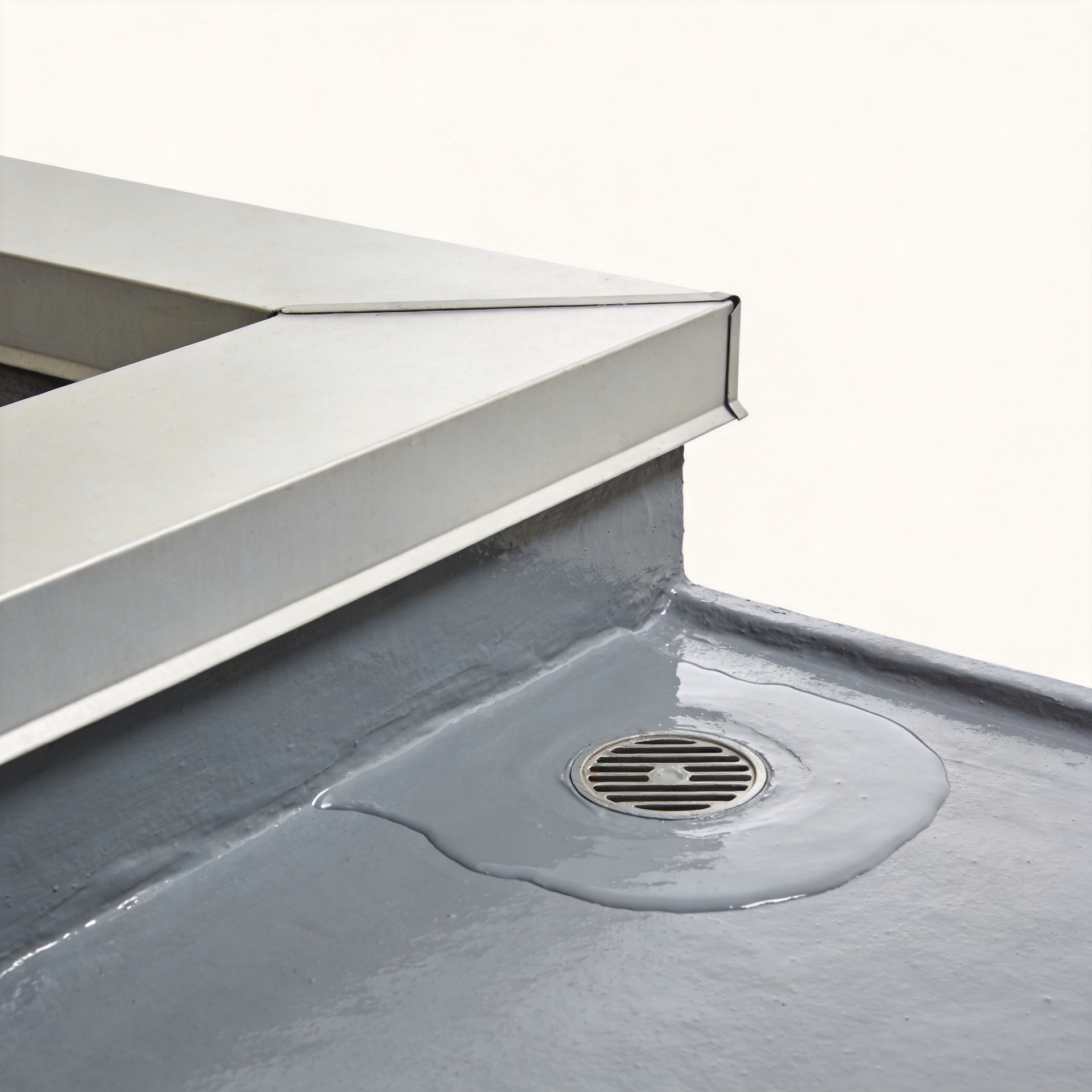
Fire risk, hot-work permits, and insurance restrictions dictate how waterproofing gets installed, especially on occupied buildings and in dense urban districts. A cold applied waterproofing membrane answers that constraint directly: it bonds by peel-and-press adhesion instead of an open-flame torch. Cold application therefore delivers full performance without the hot-work liabilities, and this guide sets out where it wins, what it demands, and how to specify a self-adhesive bitumen membrane correctly, using published data for a 1.5mm SBS sheet.
The product is a roll whose bonding layer activates under pressure at ambient temperature: peel the release film, press the sheet onto a prepared substrate, and the bond forms without torch, hot asphalt, or heating equipment.
The referenced cold applied waterproofing membrane is built on SBS modified bitumen with a polyester mat core. The SBS modified membrane keeps bitumen pliable from -15°C to 90°C, covering northern winters and Middle Eastern summers, while polyester reinforcement provides elongation and tear resistance. Unmodified bitumen turns brittle in cold and flows in heat, so cold application on a modified compound avoids both failure modes in one move.
For a cold applied waterproofing membrane, the advantages compound across the project lifecycle:
Adhesion has one non-negotiable prerequisite: a clean, dry substrate. The adhesive layer needs sound contact to reach its rated peel adhesion of ≥ 1.5 N/mm; on rough, dusty, or damp surfaces, a torch-applied sheet may offer a more reliable bond. Substrate preparation therefore decides the result, and a 1.5mm cold applied waterproofing membrane fitted correctly will outperform a thicker SBS modified membrane on a poorly prepared base. Budget priming and drying time into the programme, and cold application delivers on the rest of the promise.
The granule surface makes this sheet the natural exposed cap in multi-layer roof assemblies, which is why a cold applied waterproofing membrane suits low-slope roofs. Granules shield bitumen from sunlight, preventing the UV oxidation that is a primary failure mode, and keep colour stable without fading. On terraces, balconies, and podium decks, a self-adhesive bitumen membrane in four colours integrates into designed outdoor spaces, while the SBS modified membrane underneath tolerates thermal cycling.
Self-adhesive bonding is equally valuable on vertical surfaces: parapet walls, retaining wall exteriors, and wall-to-roof transitions, among the most common locations for failure. Torch work on a vertical face carries flow risk and awkward handling, which is where cold application shows its advantage. Consider an occupied tower where ageing parapet upstands leaked into top-floor units: crews peeled and pressed a cold applied waterproofing membrane onto cleaned, primed upstands during dry weather windows, sealing the transitions without a permit, and the self-adhesive bitumen membrane was specified for the remaining blocks.
For procurement teams, cold application adds conditions of its own, so the specification should combine performance values with supply assurance, starting with substrate preparation: CE certification for product conformity, ISO 9001 for production quality, and batch COA with every order. The referenced SBS modified membrane is factory-direct from Shandong Dingtai Waterproof with MOQ from 500 m², roll size 1m × 10m customizable, custom colours on request, and OEM or private-label options for distributors.
Confirm TDS, MSDS, and third-party test reports for the cold applied waterproofing membrane before tender submission, match the -15°C to 90°C service range to the project climate, and check that the self-adhesive bitumen membrane grade suits the substrate preparation your site can achieve. A specification that ignores that point produces a sheet that is correct on paper.
The main advantage is installation without open flame: peel-and-press bonding eliminates hot-work permits, fire watch, and torch liability, which is decisive on occupied buildings and fire-restricted urban sites. The method also lets smaller crews maintain output on parapet surfaces, and a self-adhesive bitumen membrane needs no fire watch, unlike a torch-applied SBS modified membrane.
A clean, dry substrate, since the adhesive needs sound contact to reach its rated peel adhesion of ≥ 1.5 N/mm. On rough or damp substrates, bond strength suffers and a torch-applied alternative may be more reliable, so priming, cleaning, and drying time must be scheduled for any self-adhesive bitumen membrane. Substrate preparation, not thickness, decides performance on any SBS modified membrane.
Exposed cap-sheet roofing on pitched and low-slope roofs, terraces, balconies, parapet walls, and vertical surfaces. The coloured mineral sand surface in red, brown, grey, or green provides UV shielding and slip resistance, the -15°C to 90°C service range covers most international climates, and a self-adhesive bitumen membrane keeps the whole assembly flame-free, provided substrate preparation is sound.

2026/11/20
How an APP waterproof membrane handles heat: 130°C softening point, torch application windows, overheating signs, summer storage, and thermal aging checks.

2026/11/20
The science of a breathable waterproof membrane: water vapor diffusion, Sd values, three grammage grades, water column resistance, and wrong-use cases.

2026/11/20
Single-ply or two-ply, every flat roof is a stack. See how a self adhesive waterproof membrane for roof systems handles base, cap, insulation and drains.

2026/11/20
How the polyester scrim sets tensile strength and dimensional stability of reinforced TPO membrane rolls, with welding, roll sizes and selection tips.

2026/11/20
How an aluminum foil coated bitumen waterproof membrane reflects solar radiation, lowers surface temperature, and what maintenance keeps savings alive.

2026/11/20
SBS modified bitumen waterproof membrane property groups: tensile strength, low-temperature flexibility, heat resistance, surface finishes, applications.
Links to the corresponding full news page.

The eight questions overseas buyers ask most — factory ownership, capacity, batch consistency and lead times, answered straight.

SBS membranes, polymer sheets, coatings and geomembranes — six product lines are operating simultaneously.

Pre-sales specification, on-site technical support and post-delivery maintenance across 100+ export markets.

Waterproofing performance is decided in the specification and the detailing, not just the material. Our technical team helps you select the right system, resolve site questions as they arise, and stay reachable long after the container lands.
