 EN
APP Waterproof Membrane: High-Temperature Stability Guide
2026/11/20
How an APP waterproof membrane handles heat: 130°C softening point, torch application windows, overheating signs, summer storage, and thermal aging checks.

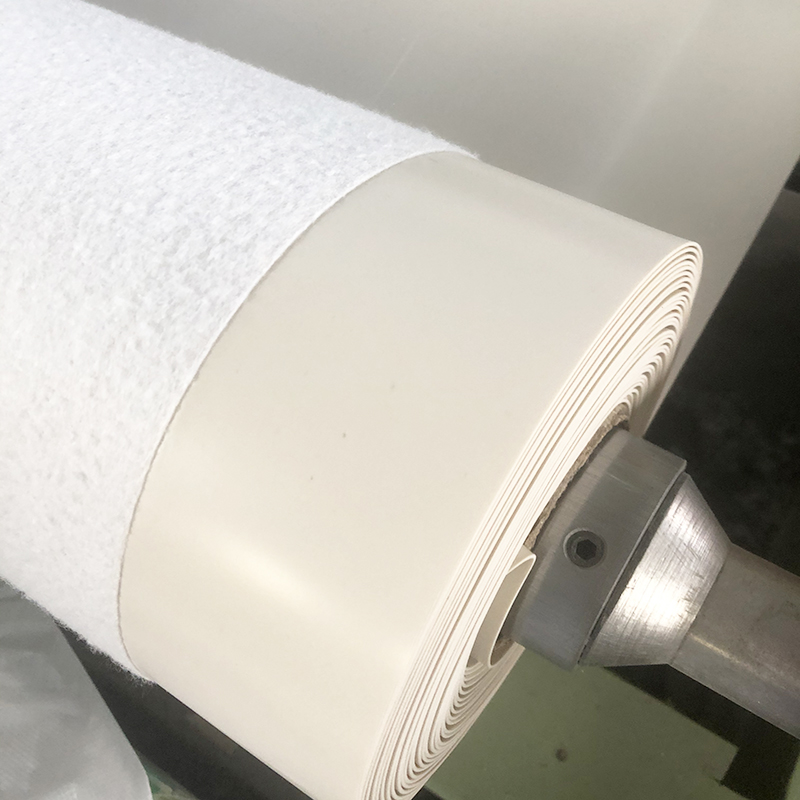
When covering expansive industrial plants, logistics warehouses, and commercial complexes, contractors need a roofing assembly that combines rapid installation with reliable wind resistance. A mechanically attached TPO membrane—short for thermoplastic polyolefin—integrates the flexibility of ethylene-propylene rubber with the weldability of polypropylene into a single-ply sheet. For mechanically fastened roof designs, the sheet is manufactured with an internal polyester fiber scrim laminated between the upper weather-resistant polymer layer and the lower base layer. This internal fabric reinforcement gives the mechanically attached TPO membrane exceptional tear resistance and dimensional stability when anchored with screws and stress plates. At Shandong Dingtai Waterproof Technology Co., Ltd. in Shouguang, our automated production lines extrude reinforced thermoplastic sheets engineered specifically for wide-span lightweight steel and concrete roof decks. Understanding how this system anchors and seals is essential for building owners seeking a durable, energy-efficient roof.
Drawing from years of practical site guidance across manufacturing facilities and commercial centers, our technical team knows that a successful mechanically attached TPO membrane installation begins well before the first roll is unrolled. In real-world roofing projects, installers first inspect the structural steel or concrete deck to ensure it is clean, level, and free of sharp metal burrs. A vapor barrier and rigid thermal insulation boards are laid flat across the deck, creating a smooth foundation. Next, workers unroll the mechanically attached TPO membrane smoothly and let it relax to eliminate factory tension. Fasteners and corrosion-resistant stress plates are then driven through the designated seam edge of the TPO waterproofing membrane directly into the structural deck below. Practical field experience shows that tightening fasteners perpendicular to the deck—without over-driving and crushing the insulation or under-driving and leaving raised screw heads—is critical to preventing membrane punctures under foot traffic and severe wind gusts.
Once the reinforced sheet is anchored along its edge, the adjacent roll of mechanically attached TPO membrane is overlapped to completely cover the row of metal stress plates, preparing the seam for thermal fusion. From a polymer engineering standpoint, a major advantage of a TPO waterproofing membrane is that it contains no liquid plasticizers. Because there are no plasticizers to migrate out over time, the sheet does not become brittle under intense ultraviolet exposure, ozone, or acid rain. Installers use automatic robotic hot-air welding machines along straight runs and hand-held hot-air guns at T-joints and corners to fuse the overlapping sheets. As controlled hot air melts the upper and lower surfaces together under roller pressure, the mechanically attached TPO membrane forms a continuous, homogeneous weld that is stronger than the sheet itself. Furthermore, the clean white surface reflects solar radiation effectively, lowering roof surface temperatures and reducing indoor air-conditioning energy loads.
According to internationally recognized single-ply roofing guidelines and structural wind engineering principles, wind forces do not act evenly across a flat or low-slope building. Authoritative roofing codes divide a roof surface into three distinct pressure zones: the central field zone, the outer perimeter zone, and the four corner zones. Because wind suction is significantly stronger along roof edges and corners, installing a mechanically attached TPO membrane requires adjusting fastener density or using narrower roll widths in perimeter and corner zones to prevent billowing and wind uplift failure. In addition, civil engineering best practices emphasize using non-reinforced flashing pieces or specialized pre-molded accessories around roof drains, skylights, and parapet walls. By following these established zoning rules, a TPO waterproofing membrane assembly safely transfers upward wind loads down through the internal polyester scrim and fasteners directly into the building structure.
For construction buyers, distributors, and project managers, guaranteeing a leak-free roof requires both reliable factory materials and disciplined on-site inspection. When sourcing a mechanically attached TPO membrane, buyers should verify that the internal polyester mesh is centered evenly, the polymer coating is free of pinholes, and the cut edges are properly protected. On the job site, installers verify seam quality every morning by conducting peel tests on sample welds before starting the main roof runs. After welding a mechanically attached TPO membrane, technicians draw a blunt metal probe along every cooled seam edge to detect any un-welded voids and probe T-joint intersections where three layers meet. At Shandong Dingtai Waterproof Technology Co., Ltd., we back our six major waterproof product series with comprehensive technical consultation and strict batch inspection, helping global contractors deliver a watertight TPO waterproofing membrane roof that stands up to decades of extreme weather.
In a mechanically fastened system, wind suction pulls the membrane upward between rows of fasteners. The internal polyester mesh gives the mechanically attached TPO membrane high tensile and tear strength, preventing the sheet from ripping around the metal plates and screws during heavy storms.
Yes, unlike liquid coatings or adhesive-applied systems that are highly sensitive to temperature and humidity, a mechanically attached TPO membrane uses mechanical screws and hot-air welding. As long as the seam surfaces are wiped clean and dry before welding and the hot-air machine temperature is adjusted for ambient air conditions, installation can proceed smoothly across varied seasons.
A white mechanically attached TPO membrane acts as a cool roof by reflecting a high percentage of sunlight back into the atmosphere rather than absorbing it as heat. This significantly reduces heat transfer into the building below, keeping warehouse and factory interiors cooler and cutting summer cooling electricity costs.

2026/11/20
How an APP waterproof membrane handles heat: 130°C softening point, torch application windows, overheating signs, summer storage, and thermal aging checks.

2026/11/20
The science of a breathable waterproof membrane: water vapor diffusion, Sd values, three grammage grades, water column resistance, and wrong-use cases.

2026/11/20
Single-ply or two-ply, every flat roof is a stack. See how a self adhesive waterproof membrane for roof systems handles base, cap, insulation and drains.

2026/11/20
How the polyester scrim sets tensile strength and dimensional stability of reinforced TPO membrane rolls, with welding, roll sizes and selection tips.

2026/11/20
How an aluminum foil coated bitumen waterproof membrane reflects solar radiation, lowers surface temperature, and what maintenance keeps savings alive.

2026/11/20
SBS modified bitumen waterproof membrane property groups: tensile strength, low-temperature flexibility, heat resistance, surface finishes, applications.
Links to the corresponding full news page.

The eight questions overseas buyers ask most — factory ownership, capacity, batch consistency and lead times, answered straight.

SBS membranes, polymer sheets, coatings and geomembranes — six product lines are operating simultaneously.

Pre-sales specification, on-site technical support and post-delivery maintenance across 100+ export markets.

Waterproofing performance is decided in the specification and the detailing, not just the material. Our technical team helps you select the right system, resolve site questions as they arise, and stay reachable long after the container lands.
