 EN
APP Waterproof Membrane: High-Temperature Stability Guide
2026/11/20
How an APP waterproof membrane handles heat: 130°C softening point, torch application windows, overheating signs, summer storage, and thermal aging checks.

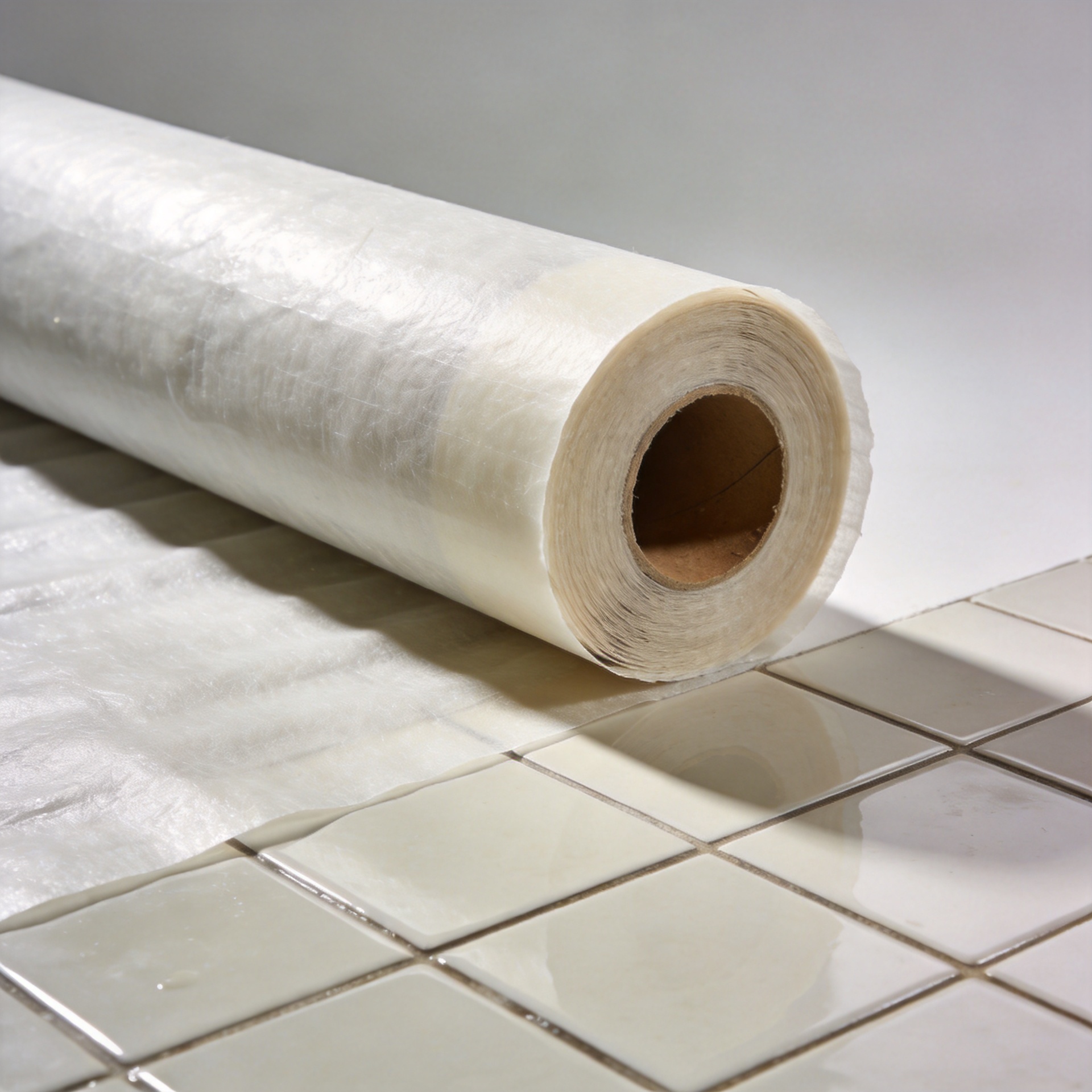
For contractors, PE/PP membrane tile underlayment is not simply about rolling out a sheet. The real work lies in controlling the entire bond line: substrate, polymer-cement mortar, membrane, adhesive, and tile. A PE/PP composite membrane can serve as a reliable waterproof layer when the substrate is sound and the tile system is compatible. Its value is the continuous barrier it creates beneath the tile assembly—not a substitute for structural repair or drainage correction.
PE/PP composites combine a polyethylene waterproof core with polypropylene fiber faces. The fibrous surfaces give cementitious mortar a mechanical key, while the PE core blocks water passage. This construction keeps the sheet relatively light and helps installers achieve a broad, engaged bond. Still, always verify the project specification and current product data before treating any PE/PP sheet as a universal solution.
A tile assembly must handle two separate jobs: water management and bond continuity. The PE layer limits water movement through the membrane body. The PP fiber surface accepts compatible mortar rather than forcing installers to bond directly to a smooth film. This is why PE/PP membrane tile underlayment is commonly specified for bathrooms, wet rooms, and protected floor or wall assemblies.
The same construction also defines a limitation. A reinforced sheet can be strong without acting like a high-elongation crack-isolation product. If the substrate is loose, dusty, actively cracking, hollow, or moving at joints, the membrane cannot be expected to bridge that failure indefinitely. Movement joints must remain functional, and cracks or uneven areas require treatment before membrane work begins.
Use it for: a continuous under-tile waterproof layer on a stable, prepared substrate.
Do not use it to hide: structural movement, wet or contaminated bases, missing falls, or untreated joints.
Confirm before ordering: mortar compatibility, lap treatment, wall-to-floor detailing, drain connections, and the tile adhesive system.
A polymer waterproof membrane in the PE/PP family suits shower surrounds, bathroom floors, utility areas, and other tiled wet zones when part of a designed system. The same composite material family may appear in protected applications such as basements or planted roofs, but those uses involve different loading, drainage, and detailing requirements. A tile-underlayment decision should follow the tile assembly, not a roof or civil specification.
For buyers comparing suppliers, request the current technical data sheet, installation method, compatible mortar recommendation, roll handling guidance, and project-specific test evidence. Shandong Dingtai Waterproof Technology Co., Ltd. operates dedicated PE/PP membrane production lines at its Shouguang facility and supplies waterproofing materials across multiple product categories. Product specifications for Dingtai’s PE/PP composite membrane are available on the company’s polyethylene propylene waterproof membrane page.
Successful tile underlayment waterproofing depends on full contact. The following field checklist is not a replacement for the manufacturer’s instructions.
Inspect and prepare the base. Concrete, render, or screed must be firm, clean, reasonably flat, and free of standing water, laitance, oil, and loose material. Repair defects and establish falls before waterproofing.
Plan sheets and details dry. Set out membrane direction, laps, corners, penetrations, and drain transitions. Avoid a narrow final strip at the most difficult detail.
Mix the specified polymer-cement mortar. Follow the required mortar-to-water ratio. Do not compensate for poor flatness with an excessively thick or wet bonding coat.
Apply a continuous bonding bed. Spread mortar in a manageable area so it stays workable. Press the membrane into the fresh bed from the center outward using a flat trowel or roller to expel trapped air.
Complete laps and transitions. Treat overlaps, corners, pipe collars, and drains with the approved method. These interfaces demand more attention than the open field.
Check before tiling. Re-open suspect edges while mortar is workable, correct voids or wrinkles, and allow the waterproof layer to cure before setting tile with a compatible adhesive.
Failures rarely occur in the middle of a sheet. They appear at incomplete bonds, rushed overlaps, or transitions left for later. Lift a trial corner at the start of the run to confirm mortar transfer. Inspect the sheet under raking light for bubbles, folds, and dry zones. Verify that corners, penetrations, and drains form a continuous waterproof path. Keep movement joints free to function rather than burying them under rigid finishes.
Where project rules permit a water test, perform it only after the specified cure period and before tiling conceals the work. Record lot numbers, weather conditions, substrate repairs, and detail photographs. These records simplify handover and later troubleshooting.
| Option | Practical advantage | Key watchpoint |
|---|---|---|
| PE/PP composite sheet | Factory-made barrier with fiber-faced mortar bond surface | Requires stable base, full mortar contact, careful detailing |
| Liquid-applied membrane | Follows irregular shapes and penetrations readily | Coverage, dry-film thickness, and cure time must be controlled |
| Self-adhesive sheet | Reduces wet mortar handling in suitable systems | Surface preparation and adhesion conditions are critical |
A PE PP composite membrane should work with the selected mortar and fiber facing—not replace a proper waterproofing plan with tile adhesive alone. Compare total installed cost: substrate repairs, detailing accessories, labor skill, cure windows, protection, and rework risk often matter more than the roll price.
Specify PE/PP membrane tile underlayment when the project requires a bonded sheet barrier beneath tile and the substrate can be made stable, clean, and properly detailed. Specify the whole assembly, require a trial installation where appropriate, and inspect bond and transitions before tile covers them. That disciplined approach gives a PE/PP composite membrane the conditions it needs to perform as a waterproof layer—rather than asking it to solve unrelated construction defects.

2026/11/20
How an APP waterproof membrane handles heat: 130°C softening point, torch application windows, overheating signs, summer storage, and thermal aging checks.

2026/11/20
The science of a breathable waterproof membrane: water vapor diffusion, Sd values, three grammage grades, water column resistance, and wrong-use cases.

2026/11/20
Single-ply or two-ply, every flat roof is a stack. See how a self adhesive waterproof membrane for roof systems handles base, cap, insulation and drains.

2026/11/20
How the polyester scrim sets tensile strength and dimensional stability of reinforced TPO membrane rolls, with welding, roll sizes and selection tips.

2026/11/20
How an aluminum foil coated bitumen waterproof membrane reflects solar radiation, lowers surface temperature, and what maintenance keeps savings alive.

2026/11/20
SBS modified bitumen waterproof membrane property groups: tensile strength, low-temperature flexibility, heat resistance, surface finishes, applications.
Links to the corresponding full news page.

The eight questions overseas buyers ask most — factory ownership, capacity, batch consistency and lead times, answered straight.

SBS membranes, polymer sheets, coatings and geomembranes — six product lines are operating simultaneously.

Pre-sales specification, on-site technical support and post-delivery maintenance across 100+ export markets.

Waterproofing performance is decided in the specification and the detailing, not just the material. Our technical team helps you select the right system, resolve site questions as they arise, and stay reachable long after the container lands.
