 EN
APP Waterproof Membrane: High-Temperature Stability Guide
2026/11/20
How an APP waterproof membrane handles heat: 130°C softening point, torch application windows, overheating signs, summer storage, and thermal aging checks.

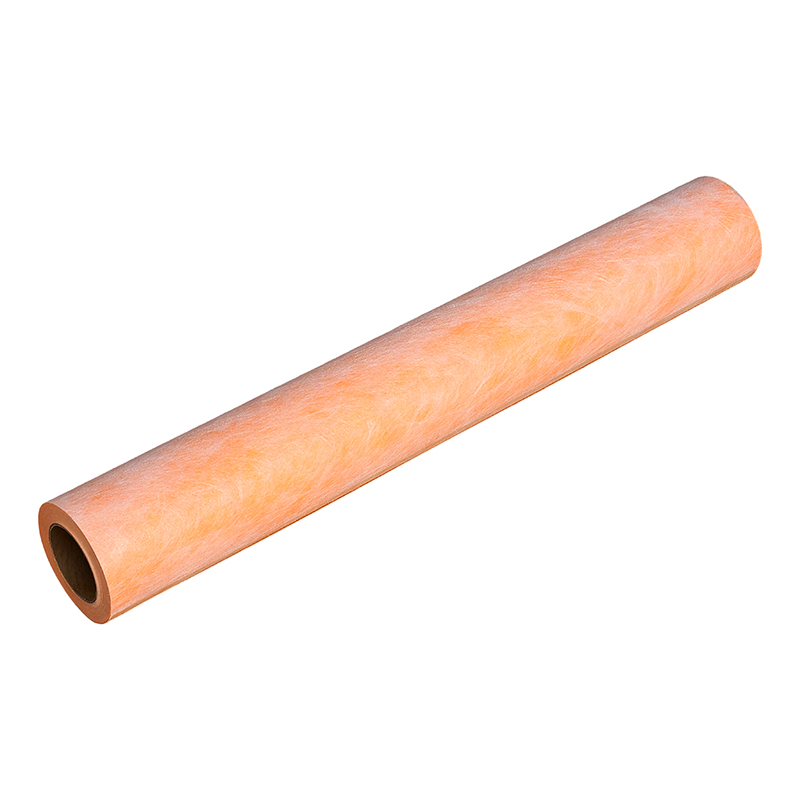
In modern subterranean civil engineering and deep foundation construction, specifying a certified pe pp waterproofing membrane for underground project applications provides an immediate, continuous barrier against aggressive subterranean water infiltration. An engineered pe pp waterproofing membrane for underground project installations consists of a high-density polyethylene polymer core laminated with polypropylene nonwoven fabric on both exterior faces. Selecting an unverified barrier to cut early substructure costs often leads to lateral water migration along foundation slabs, making basement remedial repairs exceedingly difficult once backfilling is complete. Utilizing a high-performance pe pp waterproofing membrane for underground project works creates a permanent moisture barrier capable of enduring sustained hydrostatic head pressure. For international civil contractors and wholesale distributors, choosing an industrial pe pp waterproofing membrane for underground project contracts ensures complete compliance with municipal civil engineering standards. Deploying a factory-tested pe pp waterproofing membrane for underground project tasks prevents concrete degradation and protects occupied underground spaces from water ingress throughout the design life of the facility.
The impermeable performance of a pe pp waterproofing membrane for underground project installations depends on the macromolecular structure of its virgin polyethylene core. Because this synthetic barrier has near-zero water vapor transmission, an industrial pe pp waterproofing membrane for underground project applications stops high-pressure groundwater from penetrating basement retaining walls. Surrounding this central core, the needle-punched polypropylene geotextile layers of the pe pp waterproofing membrane for underground project create a dense fiber matrix on both sides. This composite configuration allows the pe pp waterproofing membrane for underground project to resist puncture damage from rough aggregate during the placement of concrete mud slabs. Furthermore, the dimensional stability of a quality pe pp waterproofing membrane for underground project prevents stretching, tearing, or creasing during unrolling along horizontal subgrades. Sourcing a tear-resistant pe pp waterproofing membrane for underground project works guarantees structural water tightness across expansive below-grade floor footprints.
The primary engineering benefit of a pe pp waterproofing membrane for underground project construction is its ability to establish a permanent full-surface bond using polymer-cement mortar. When workers press the pe pp waterproofing membrane for underground project into freshly applied polymer-cement slurry, the wet cementitious paste penetrates deeply into the polypropylene nonwoven fibers. As the cement hydrates and cures, it creates an interlocking mechanical bond between the pe pp waterproofing membrane for underground project and the concrete substrate. This continuous adhesion prevents water from traveling laterally beneath the pe pp waterproofing membrane for underground project if localized puncture damage occurs during subsequent construction. Unlike loose-laid plastic sheeting that permits water to track freely beneath foundations, an adhered pe pp waterproofing membrane for underground project confines moisture to the immediate point of any local breach. Specifying a mortar-bonded pe pp waterproofing membrane for underground project applications eliminates hidden hollow voids along vertical foundation walls.
Subterranean soil conditions expose building foundations to high concentrations of dissolved sulfate salts, acidic groundwater, and alkaline pore fluids. A chemically resilient pe pp waterproofing membrane for underground project exhibits complete inertness against concrete lime leachates and underground environmental acids. Because synthetic polyethylene contains no plasticizers that could leach into surrounding soils, a durable pe pp waterproofing membrane for underground project maintains long-term flexibility without turning brittle. In addition, the polypropylene fabric facers of the pe pp waterproofing membrane for underground project resist biological root penetration and microbial decomposition in damp soil zones. Installing an accredited pe pp waterproofing membrane for underground project protects subterranean structures from soil-side chemical attack and aggressive groundwater. Engineering firms mandate a resilient pe pp waterproofing membrane for underground project environments to maintain barrier continuity across fluctuating seasonal water tables.
Complex subterranean infrastructure such as utility corridors, culverts, and cut-and-cover tunnels requires robust moisture protection along structural expansion joints. Incorporating a flexible pe pp waterproofing membrane for underground project designs allows the barrier to bridge micro-deflections and thermal movements in precast concrete segments. When contractors install a pe pp waterproofing membrane for underground project along underground tunnels, maintaining continuous overlap integrity along all longitudinal seams is vital for system reliability. Technicians seal adjacent runs of the pe pp waterproofing membrane for underground project using specialized polymer-cement adhesives or hot-wedge thermal welding machines. Properly consolidating every seam of the pe pp waterproofing membrane for underground project creates a hermetic seal against wind-driven moisture and high-pressure groundwater. Deploying a heavy-duty pe pp waterproofing membrane for underground project applications preserves critical subterranean transit corridors and equipment galleries from costly water leaks.
Commercial importers and municipal procurement directors achieve dependable quality control by sourcing each pe pp waterproofing membrane for underground project directly from certified manufacturing facilities. Shandong Dingtai Waterproof Technology Co., Ltd. manufactures heavy-duty composite membranes under the JinDingTai brand, delivering a premier pe pp waterproofing membrane for underground project supply for global engineering sectors. Sourcing a factory-direct pe pp waterproofing membrane for underground project guarantees uniform core thickness, consistent fabric lamination strength, and reliable low-temperature flexibility. In addition, JinDingTai formulates each pe pp waterproofing membrane for underground project with virgin resins to maximize tensile elongation and puncture resistance. Procuring customized roll widths of the pe pp waterproofing membrane for underground project streamlines jobsite layout and minimizes on-site splicing labor. Investing in a proven pe pp waterproofing membrane for underground project from JinDingTai safeguards commercial substructures from subterranean moisture decay for decades.
The exterior surfaces of a pe pp waterproofing membrane for underground project feature dense polypropylene nonwoven fibers that absorb liquid polymer-cement slurry during installation. As the cementitious crystals grow and cure within the nonwoven fabric, they create a permanent mechanical interlock that fuses the pe pp waterproofing membrane for underground project directly to the structural concrete substrate.
Yes, the solid polyethylene core of a certified pe pp waterproofing membrane for underground project provides high resistance against hydrostatic water pressure. When fully bonded with polymer-cement mortar, the pe pp waterproofing membrane for underground project prevents lateral water migration, ensuring that high water tables cannot push moisture through the concrete envelope.
When splicing adjacent rolls of a pe pp waterproofing membrane for underground project, installers must maintain an overlap width of at least one hundred millimeters along all side and end seams. Sealing the overlaps of the pe pp waterproofing membrane for underground project with polymer-cement paste or thermal hot-air welding guarantees a continuous, leak-free moisture barrier across the foundation.

2026/11/20
How an APP waterproof membrane handles heat: 130°C softening point, torch application windows, overheating signs, summer storage, and thermal aging checks.

2026/11/20
The science of a breathable waterproof membrane: water vapor diffusion, Sd values, three grammage grades, water column resistance, and wrong-use cases.

2026/11/20
Single-ply or two-ply, every flat roof is a stack. See how a self adhesive waterproof membrane for roof systems handles base, cap, insulation and drains.

2026/11/20
How the polyester scrim sets tensile strength and dimensional stability of reinforced TPO membrane rolls, with welding, roll sizes and selection tips.

2026/11/20
How an aluminum foil coated bitumen waterproof membrane reflects solar radiation, lowers surface temperature, and what maintenance keeps savings alive.

2026/11/20
SBS modified bitumen waterproof membrane property groups: tensile strength, low-temperature flexibility, heat resistance, surface finishes, applications.
Links to the corresponding full news page.

The eight questions overseas buyers ask most — factory ownership, capacity, batch consistency and lead times, answered straight.

SBS membranes, polymer sheets, coatings and geomembranes — six product lines are operating simultaneously.

Pre-sales specification, on-site technical support and post-delivery maintenance across 100+ export markets.

Waterproofing performance is decided in the specification and the detailing, not just the material. Our technical team helps you select the right system, resolve site questions as they arise, and stay reachable long after the container lands.
