 EN
APP Waterproof Membrane: High-Temperature Stability Guide
2026/11/20
How an APP waterproof membrane handles heat: 130°C softening point, torch application windows, overheating signs, summer storage, and thermal aging checks.

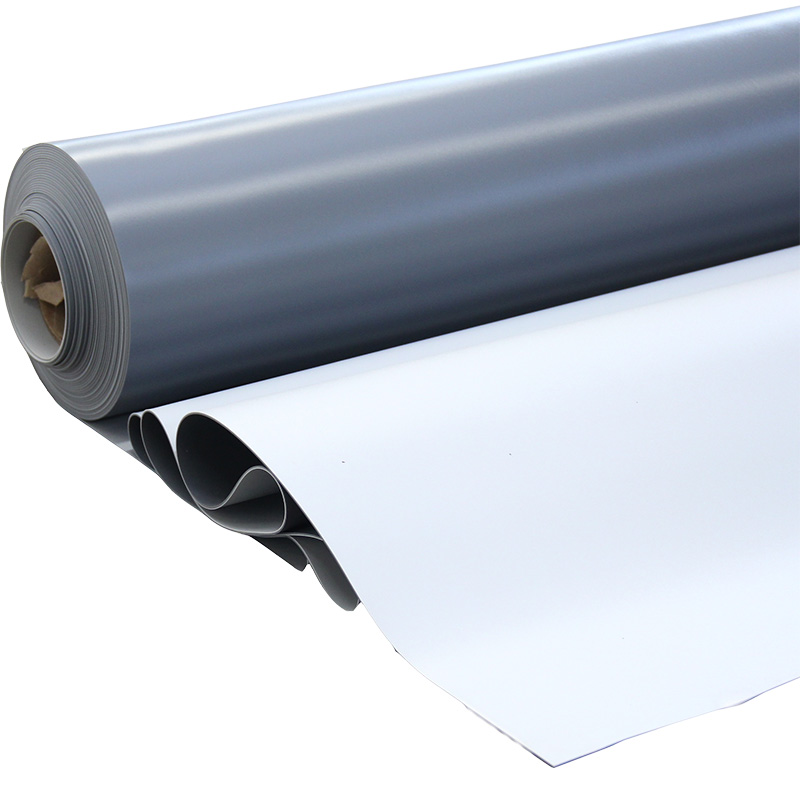
In commercial low-slope roofing and civil engineering, installing a certified polyester mesh reinforced pvc membrane delivers an exceptionally durable waterproofing shield against severe mechanical loads. A polyester mesh reinforced pvc membrane combines a flexible polyvinyl chloride polymer matrix with an encapsulated high-tenacity woven fabric. This internal architecture prevents accidental rips from propagating into catastrophic punctures during heavy equipment staging and stormy weather. Sourcing an inferior sheet to reduce initial capital expenditure often results in seam delamination and expensive water leaks during wind storms. Deploying a heavy-duty polyester mesh reinforced pvc membrane ensures that the roof assembly maintains long-term weather tightness across extreme temperature fluctuations. For engineering specifiers and roofing distributors, specifying a factory-tested polyester mesh reinforced pvc membrane guarantees compliance with international single-ply standards and minimizes lifecycle maintenance costs.
The superior tear resistance of a polyester mesh reinforced pvc membrane relies on the load-bearing capability of its internal polyester fabric. When high winds generate severe aerodynamic uplift across a commercial building, the embedded mesh within the polyester mesh reinforced pvc membrane absorbs tensile stresses and distributes them safely to underlying mechanical fasteners. Unlike non-reinforced thermoplastic films that stretch and tear around fastener plates, an industrial polyester mesh reinforced pvc membrane preserves dimensional stability under intense wind flutter. Furthermore, the synthetic fibers within the polyester mesh reinforced pvc membrane resist biological rot, chemical deterioration, and water wicking. Applying an engineered polyester mesh reinforced pvc membrane across expansive commercial roofs prevents localized punctures from developing into extensive tears that expose building insulation.
Selecting between internal core reinforcements requires evaluating the specific mechanical and thermal demands of the building envelope. A polyester mesh reinforced pvc membrane provides far greater puncture resistance and tensile flexibility than a fiberglass-reinforced alternative, making it the preferred choice for mechanically fastened assemblies. While fiberglass facings offer high dimensional stability for fully adhered systems, a polyester mesh reinforced pvc membrane easily absorbs ongoing roof vibrations and deck deflections without snapping the structural fibers. In addition, field installers prefer a polyester mesh reinforced pvc membrane because the pliable composite wraps smoothly around parapet upstands, skylight curbs, and pipe penetrations. Specifying a high-performance polyester mesh reinforced pvc membrane ensures that challenging building transitions maintain robust resistance against physical tearing.
Achieving a dependable installation with a polyester mesh reinforced pvc membrane demands precise fastener layout calculations and proper plate seating. Commercial roofing crews position barbed stress plates along the overlap line of the polyester mesh reinforced pvc membrane, driving mechanical screws securely into structural steel or concrete decks. Because the internal scrim of the polyester mesh reinforced pvc membrane clamps firmly between the plate and the deck, the assembly resists strong uplift forces without pulling over fastener heads. Installers must avoid over-driving fasteners, which can crush the polymer matrix of the polyester mesh reinforced pvc membrane and create localized stress cracks. Properly engineering the perimeter fastening density ensures that the polyester mesh reinforced pvc membrane withstands localized hurricane-force wind vortices.
The long-term water tightness of a polyester mesh reinforced pvc membrane installation hinges on disciplined hot-air fusion welding rather than temporary chemical glues. Technicians use robotic automated welders to heat overlapping runs of the polyester mesh reinforced pvc membrane, applying controlled pressure to fuse the thermoplastic sheets into a monolithic layer. A properly executed seam across a polyester mesh reinforced pvc membrane achieves lap peel strength that exceeds the cohesive tear strength of the membrane itself. Installers must calibrate welder speed, airflow, and nozzle temperature at the start of each work shift, as changing ambient winds influence the welding zone of the polyester mesh reinforced pvc membrane. After cooling, technicians must probe every centimeter of the polyester mesh reinforced pvc membrane seam with a blunt testing tool to detect cold welds before the roof is inspected.
Wholesale distribution networks and commercial roofing contractors should procure every roll of polyester mesh reinforced pvc membrane directly from verified manufacturing facilities. Shandong Dingtai Waterproof Technology Co., Ltd. manufactures heavy-duty single-ply roofing membranes under the JinDingTai brand, providing a reliable polyester mesh reinforced pvc membrane for international infrastructure projects. Sourcing a factory-direct polyester mesh reinforced pvc membrane ensures that shipments maintain consistent thickness tolerances, uniform reinforcement positioning, and verified weldability across extreme temperature ranges. In addition, JinDingTai supports customized sheet widths and roll lengths to optimize installation speed on large logistics warehouses. Investing in a proven polyester mesh reinforced pvc membrane protects building owners from costly roof failures and preserves structural envelope durability.
Yes, a polyester mesh reinforced pvc membrane can be installed over existing asphalt roofs, provided an approved separation geotextile fleece is placed between the assemblies. Direct contact between a polyester mesh reinforced pvc membrane and rough bituminous surfaces causes plasticizer migration, which degrades the flexibility of the thermoplastic sheet over time.
The encapsulated woven polyester mesh acts as an internal structural grid that arrests tear propagation. If a sharp tool or heavy debris punctures the surface of the polyester mesh reinforced pvc membrane, the high-tenacity fibers intercept the physical stress, preventing the cut from expanding under wind loads.
A high-grade polyester mesh reinforced pvc membrane operates reliably across temperatures ranging from minus thirty-five degrees Celsius to eighty-five degrees Celsius. The specialized polymer compound and stable polyester reinforcement prevent the polyester mesh reinforced pvc membrane from becoming brittle in freezing winter conditions or softening under intense summer solar heat.

2026/11/20
How an APP waterproof membrane handles heat: 130°C softening point, torch application windows, overheating signs, summer storage, and thermal aging checks.

2026/11/20
The science of a breathable waterproof membrane: water vapor diffusion, Sd values, three grammage grades, water column resistance, and wrong-use cases.

2026/11/20
Single-ply or two-ply, every flat roof is a stack. See how a self adhesive waterproof membrane for roof systems handles base, cap, insulation and drains.

2026/11/20
How the polyester scrim sets tensile strength and dimensional stability of reinforced TPO membrane rolls, with welding, roll sizes and selection tips.

2026/11/20
How an aluminum foil coated bitumen waterproof membrane reflects solar radiation, lowers surface temperature, and what maintenance keeps savings alive.

2026/11/20
SBS modified bitumen waterproof membrane property groups: tensile strength, low-temperature flexibility, heat resistance, surface finishes, applications.
Links to the corresponding full news page.

The eight questions overseas buyers ask most — factory ownership, capacity, batch consistency and lead times, answered straight.

SBS membranes, polymer sheets, coatings and geomembranes — six product lines are operating simultaneously.

Pre-sales specification, on-site technical support and post-delivery maintenance across 100+ export markets.

Waterproofing performance is decided in the specification and the detailing, not just the material. Our technical team helps you select the right system, resolve site questions as they arise, and stay reachable long after the container lands.
