 EN
APP Waterproof Membrane: High-Temperature Stability Guide
2026/11/20
How an APP waterproof membrane handles heat: 130°C softening point, torch application windows, overheating signs, summer storage, and thermal aging checks.

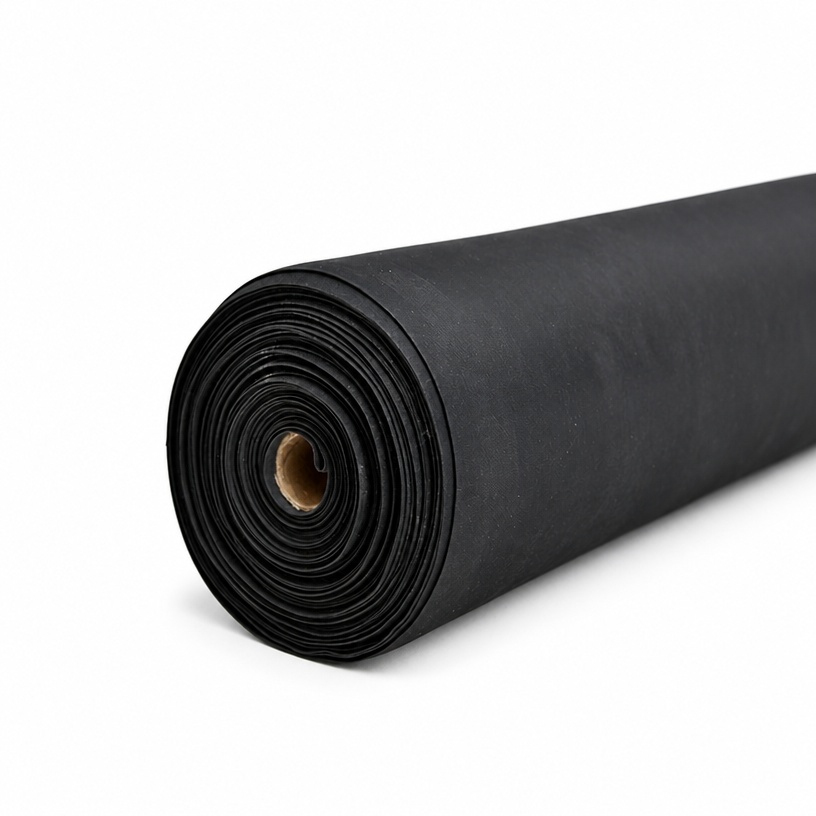
In modern commercial construction, subterranean foundations, and large-scale roofing projects, civil engineers and international procurement managers increasingly rely on synthetic polymer composite barriers. Managing polyethylene polypropylene membrane wholesale sourcing effectively requires a deep understanding of multi-layer material engineering and international quality standards. Traditional waterproofing sheets often suffer from poor adhesion to wet cement mortars or inadequate resistance to subterranean alkalis. To solve these field challenges, a high-performance polyethylene polypropylene waterproof membrane combines a core high-density polyethylene polymer layer with top and bottom non-woven polypropylene filament fabrics. This dual-sided synthetic composite structure allows direct bonding with cementitious pastes, creating a continuous, monolithic waterproofing barrier across concrete foundations, green roofs, and wet rooms. When evaluating a reliable waterproof membrane supplier for bulk orders, buyers must look beyond initial material costs and assess long-term tensile resilience, chemical stability, and factory manufacturing capabilities.
The core functional advantage of a PE PP waterproof membrane lies in its integrated tri-layer composite manufacturing process. At Shandong Dingtai Waterproof Technology Co., Ltd., active polymer resins and non-woven synthetic fibers are processed through high-temperature thermal extrusion to ensure permanent layer fusion without delamination risks. The central core consists of a high-density polyethylene polymer layer that provides total hydrostatic water resistance and root puncture protection. Flanking this core, the outer synthetic non-woven polypropylene fabric layers create a dense, micro-textured surface profile. When liquid cement mortar is applied during installation, the cement hydration slurry penetrates deep into the pores of the polypropylene fibers, forming a mechanical interlock once cured. This integrated bonding mechanism eliminates the need for expensive organic solvent adhesives, streamlining job site installation while providing exceptional resistance to aging, alkaline groundwater, and chemical degradation over the building lifecycle.
Executing successful polyethylene polypropylene membrane wholesale sourcing demands strict verification of physical testing parameters and factory quality management protocols. Shandong Dingtai Waterproof Technology Co., Ltd. operates under certified ISO 9001 quality management and ISO 14001 environmental management frameworks to guarantee batch-to-batch consistency. Our factory-direct polymer composite sheets are engineered to meet global standards including ASTM D412 and ISO 19935. Depending on project specifications, weight grades typically range from 300g per square meter to 800g per square meter, with thickness options adjusted for light roofing underlayments or heavy subterranean tanking. Key performance benchmarks include a high tensile strength capable of absorbing structural foundation settling, an elongation capacity exceeding 400 percent to handle dynamic load movement, and zero permeability under elevated hydrostatic pressure testing. Every production batch undergoes raw material purity checks, automated laser thickness monitoring, and 24-hour water tightness verification before custom packaging and export palletizing.
A premium PE PP waterproof membrane provides versatile protection across various severe construction environments. In subterranean raft foundations and basement retaining walls, the composite sheet is laid directly over damp concrete substrates using a polymer-modified cementitious paste, ensuring complete bonding and eliminating lateral water movement between the slab and the barrier. In commercial roofing and green roof systems, the high puncture resistance of the central polymer core guards against mechanical damage and root penetration. Furthermore, in wet rooms, balconies, and tile underlayments, the textured synthetic non-woven surface allows tile adhesives to bind directly to the membrane, reducing labor steps and accelerating project timelines. By partnering with an experienced waterproof membrane supplier, B2B procurement teams can request customized roll widths, specialized surface weights, and tailored OEM packaging to meet specific regional building codes and site conditions.
Navigating polyethylene polypropylene membrane wholesale sourcing requires a comprehensive evaluation of a manufacturer's export capabilities and technical support services. Working directly with an established Chinese factory like Shandong Dingtai Waterproof Technology Co., Ltd. provides overseas distributors and construction contractors with significant cost efficiencies, direct access to technical data sheets, and custom OEM manufacturing options. When placing bulk container orders, buyers should verify that the manufacturer provides UV-protective export packaging, heavy-duty reinforced palletizing, and complete export documentation to ensure products arrive undamaged during long-distance ocean freight. To explore complete product specifications across our full product range—including SBS modified bitumen membranes, TPO waterproofing sheets, and damp proof courses (DPC)—visit our main
A polyethylene polypropylene membrane features a multi-layer composite structure with non-woven fabric surfaces that bond directly with cement mortar, eliminating the need for open-flame torching or solvent adhesives during installation.
The non-woven polypropylene fabric creates a rough, porous surface texture that allows cement slurry to penetrate and mechanically interlock with the membrane as the mortar cures, creating a full-surface bond with the concrete substrate.
Yes, as a direct factory manufacturer, Shandong Dingtai Waterproof Technology Co., Ltd. offers flexible OEM customization for membrane weights ranging from 300g to 800g per square meter, along with custom roll lengths and widths to suit specific project requirements.

2026/11/20
How an APP waterproof membrane handles heat: 130°C softening point, torch application windows, overheating signs, summer storage, and thermal aging checks.

2026/11/20
The science of a breathable waterproof membrane: water vapor diffusion, Sd values, three grammage grades, water column resistance, and wrong-use cases.

2026/11/20
Single-ply or two-ply, every flat roof is a stack. See how a self adhesive waterproof membrane for roof systems handles base, cap, insulation and drains.

2026/11/20
How the polyester scrim sets tensile strength and dimensional stability of reinforced TPO membrane rolls, with welding, roll sizes and selection tips.

2026/11/20
How an aluminum foil coated bitumen waterproof membrane reflects solar radiation, lowers surface temperature, and what maintenance keeps savings alive.

2026/11/20
SBS modified bitumen waterproof membrane property groups: tensile strength, low-temperature flexibility, heat resistance, surface finishes, applications.
Links to the corresponding full news page.

The eight questions overseas buyers ask most — factory ownership, capacity, batch consistency and lead times, answered straight.

SBS membranes, polymer sheets, coatings and geomembranes — six product lines are operating simultaneously.

Pre-sales specification, on-site technical support and post-delivery maintenance across 100+ export markets.

Waterproofing performance is decided in the specification and the detailing, not just the material. Our technical team helps you select the right system, resolve site questions as they arise, and stay reachable long after the container lands.
