 EN
APP Waterproof Membrane: High-Temperature Stability Guide
2026/11/20
How an APP waterproof membrane handles heat: 130°C softening point, torch application windows, overheating signs, summer storage, and thermal aging checks.

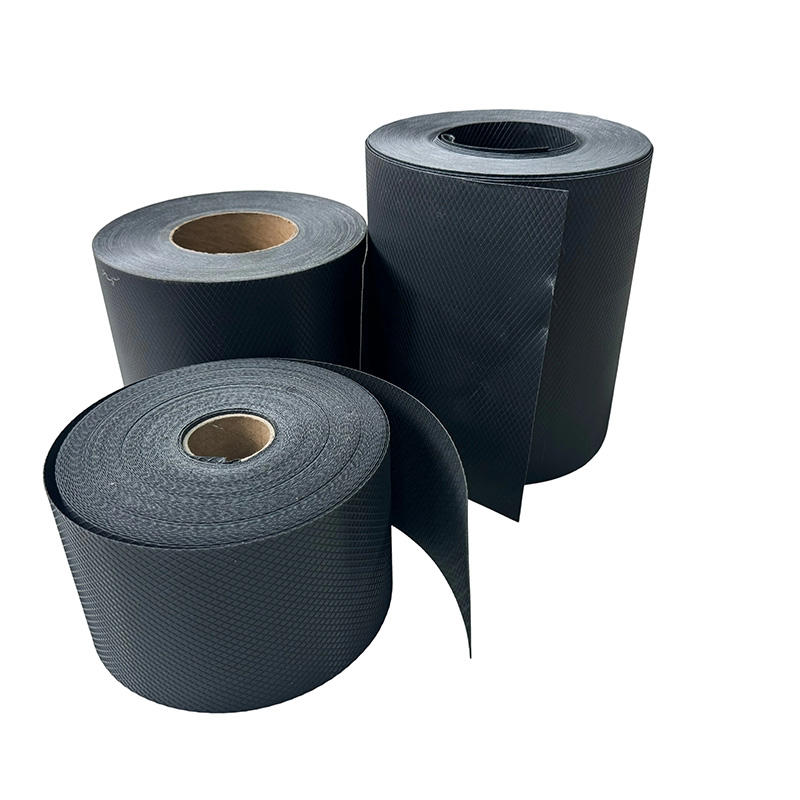
Preventing subterranean rising damp within load-bearing brickwork requires a continuous physical barrier that isolates masonry pores from groundwater. Specifying an approved polymer modified dpc roofing strip provides structural wall bases with an elastomeric seal capable of halting capillary action. Unprotected masonry draws groundwater upward into occupied living zones, causing internal plaster ruin and persistent efflorescence. By contrast, laying a certified polymer modified dpc roofing strip across mortar bedding joints permanently breaks this liquid migration pathway. Building contractors utilize the polymer modified dpc roofing strip because conventional oxidized bitumen felts crack under foundation settlement. Investing in an engineered polymer modified dpc roofing strip shields multi-story structures from rising moisture while meeting regional building code mandates.
Groundwater moves through concrete blocks and clay bricks via microscopic pores that act like interconnected drinking straws. Incorporating a robust polymer modified dpc roofing strip creates an impermeable horizontal division that halts capillary draw before liquid reaches wall finishes. Unlike rigid mortar additives that crack when foundations experience micro-deflection, a flexible polymer modified dpc roofing strip retains elasticity throughout structural shifts. Furthermore, incorporating a durable polymer modified dpc roofing strip prevents soil-borne sulfate salts from corroding lower brick courses. Masons position the polymer modified dpc roofing strip at least one hundred and fifty millimeters above external ground surfaces to eliminate splashback risks. Establishing this baseline elevation with a dependable polymer modified dpc roofing strip prevents soil landscaping from bridging past the waterproof barrier.
Fresh Portland cement mortar creates an aggressive chemical environment where pore fluid pH levels frequently exceed twelve point five. An unreinforced plastic barrier degrades rapidly when subjected to this alkaline exposure, whereas a polymer modified dpc roofing strip maintains chemical inertness against calcium hydroxide. The elastomeric core of the polymer modified dpc roofing strip blends distilled bitumen with synthetic block copolymers, imparting exceptional resistance to oxidative embrittlement. Under heavy masonry loads, this polymer modified dpc roofing strip resists polymer degradation and maintains full cohesive mass. In addition, an industrial polymer modified dpc roofing strip contains zero volatile plasticizers that could leach into adjacent mortar layers. Sourcing a laboratory-tested polymer modified dpc roofing strip guarantees that bed joints remain fully protected against subterranean chemical attack.
High-load multi-story masonry construction places immense downward thrust upon horizontal bedding joints. An inferior damp barrier will squeeze out under sustained dead loads, thinning the waterproof cross-section and promoting joint fracture. A heavy-duty polymer modified dpc roofing strip incorporates high-tensile reinforcement fabrics that resist compressive extrusion under structural pressures. Installing an embossed polymer modified dpc roofing strip enhances frictional interlocking between masonry blocks and mortar beds, preventing lateral slippage during seismic vibrations. Furthermore, the dimensional stability of this polymer modified dpc roofing strip prevents creep displacement across external facade walls. Commercial specifiers mandate testing the polymer modified dpc roofing strip under ASTM compressive standards to ensure long-term structural safety. Deploying a resilient polymer modified dpc roofing strip protects heavily loaded wall leaves from moisture bypass.
In modern cavity wall construction, horizontal barriers must integrate seamlessly with internal flashings to manage cavity runoff. An adaptable polymer modified dpc roofing strip can be stepped across cavity voids to form effective cavity trays over window lintels. Coordinating the polymer modified dpc roofing strip with open weep holes ensures that penetrating rainwater discharges outward rather than soaking thermal insulation. Installers must lay the polymer modified dpc roofing strip continuously across corners, using compatible jointing tapes to seal overlapping junctions. An unsealed lap in a polymer modified dpc roofing strip creates a hidden conduit where wind-driven moisture can saturate the inner blockwork leaf. Technicians must clean masonry edges prior to unrolling the polymer modified dpc roofing strip, verifying that no mortar snots puncture the sheet. Applying an approved polymer modified dpc roofing strip delivers uninterrupted moisture protection across complex architectural steps.
Meeting European EN 14909 and British Standard BS 8215 regulations requires rigorous proof of barrier durability. Civil engineering contracts specify that every installed polymer modified dpc roofing strip must demonstrate proven low-temperature flexibility below minus twenty degrees Celsius. Utilizing an accredited polymer modified dpc roofing strip prevents catastrophic barrier cracking during winter bricklaying schedules. Furthermore, water vapor transmission tests must confirm that the polymer modified dpc roofing strip acts as a total vapor barrier under continuous hydrostatic dampness. Procuring a standardized polymer modified dpc roofing strip ensures that building control authorities sign off on foundation inspections without delay. Property developers who demand a verified polymer modified dpc roofing strip protect their commercial assets from expensive damp litigation.
Wholesale building material importers require consistent roll tolerances and dependable dispatch schedules from manufacturing partners. Shandong Dingtai Waterproof Technology Co., Ltd. manufactures heavy-duty barrier rolls under the JinDingTai brand, supplying an industry-leading polymer modified dpc roofing strip for overseas construction markets. Sourcing a factory-direct polymer modified dpc roofing strip eliminates intermediary markups and guarantees that compound thickness conforms to strict micron tolerances. In addition, JinDingTai formulates each polymer modified dpc roofing strip with virgin polymers to maximize elongation and tear resistance. Procuring customized roll widths of the polymer modified dpc roofing strip streamlines site productivity and curtails material trimming waste. Investing in a proven polymer modified dpc roofing strip safeguards masonry walls against capillary decay for decades.
Hydrated cement mortar releases calcium hydroxide solutions with high pH values that degrade low-grade plastic barriers through saponification. An engineered polymer modified dpc roofing strip utilizes chemically stable polymer blends that resist alkaline corrosion, ensuring that the damp proof course remains intact throughout the lifespan of the mortar bed.
Traditional asphalt felt is brittle and prone to cracking under minor foundation shifts or cold installation temperatures. A polymer modified dpc roofing strip contains synthetic elastomers that impart high elongation, allowing the barrier to absorb structural movements and shear stresses without rupturing.
Surface texturing on a polymer modified dpc roofing strip creates mechanical interlocking keys with the wet mortar bed. This embossed profile prevents masonry units from sliding during construction, improving shear strength across the wall plane while maintaining an impenetrable moisture barrier.

2026/11/20
How an APP waterproof membrane handles heat: 130°C softening point, torch application windows, overheating signs, summer storage, and thermal aging checks.

2026/11/20
The science of a breathable waterproof membrane: water vapor diffusion, Sd values, three grammage grades, water column resistance, and wrong-use cases.

2026/11/20
Single-ply or two-ply, every flat roof is a stack. See how a self adhesive waterproof membrane for roof systems handles base, cap, insulation and drains.

2026/11/20
How the polyester scrim sets tensile strength and dimensional stability of reinforced TPO membrane rolls, with welding, roll sizes and selection tips.

2026/11/20
How an aluminum foil coated bitumen waterproof membrane reflects solar radiation, lowers surface temperature, and what maintenance keeps savings alive.

2026/11/20
SBS modified bitumen waterproof membrane property groups: tensile strength, low-temperature flexibility, heat resistance, surface finishes, applications.
Links to the corresponding full news page.

The eight questions overseas buyers ask most — factory ownership, capacity, batch consistency and lead times, answered straight.

SBS membranes, polymer sheets, coatings and geomembranes — six product lines are operating simultaneously.

Pre-sales specification, on-site technical support and post-delivery maintenance across 100+ export markets.

Waterproofing performance is decided in the specification and the detailing, not just the material. Our technical team helps you select the right system, resolve site questions as they arise, and stay reachable long after the container lands.
