 EN
APP Waterproof Membrane: High-Temperature Stability Guide
2026/11/20
How an APP waterproof membrane handles heat: 130°C softening point, torch application windows, overheating signs, summer storage, and thermal aging checks.

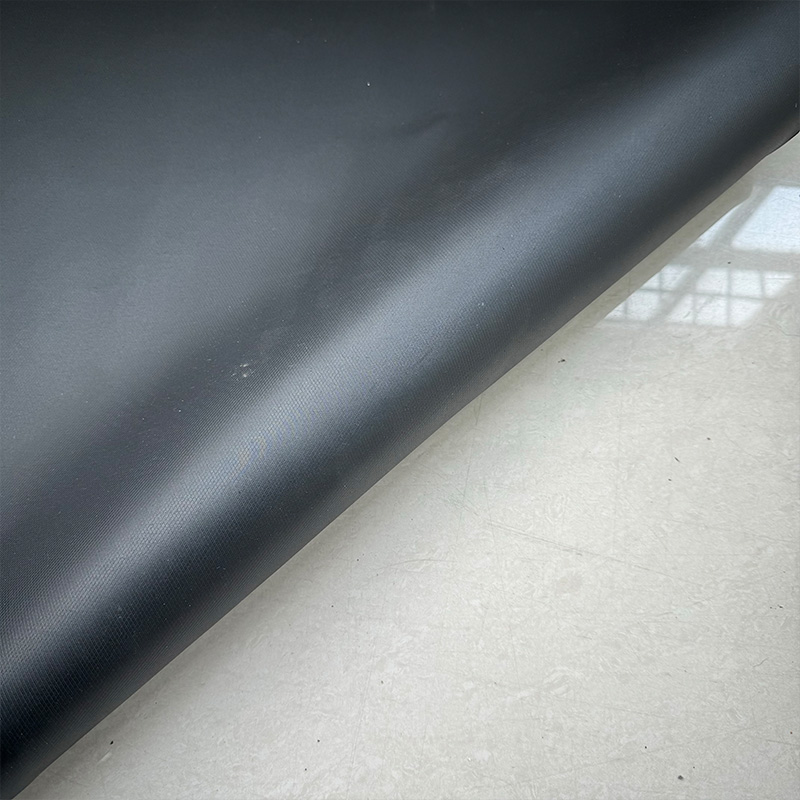
Waterproofing failures rarely begin mid-sheet. They start where one material hands work to another, or where a single polymer is asked to do two incompatible jobs. A polymer polyethylene polypropylene sheet membrane avoids that conflict by dividing the labour: one layer stops water, a second carries load, a third gives mortar something to grip.
A continuous polyethylene core sits at the centre of the sheet, the only layer meant to stop water. The polypropylene fiber membrane faces are not barriers at all; they are the handling and bonding structure. A PE PP composite membrane therefore divides labour instead of duplicating it, and a polymer polyethylene polypropylene sheet membrane gains dimensional stability no film could have, with the barrier shielded from abrasion mid-section. Remove the fibrous face and the system keeps its barrier but loses anchorage, and no polyethylene waterproofing membrane facing then holds a load.
A plain polyethylene film at 0.6mm blocks water well, yet it is awkward to bond and easy to puncture during backfill. A polypropylene fiber membrane answers both weaknesses without thickening the barrier, because the web spreads point loads and raises friction against fresh mortar. That is why a PE PP composite membrane survives handling that would perforate a bare sheet, and why a composite waterproofing sheet suits work followed quickly by backfill.
Composite construction also arrests cracks: a defect starting in one layer cannot travel into the next, because the interfaces differ. A polymer polyethylene polypropylene sheet membrane therefore tolerates minor movement better than a homogeneous film, and a polyethylene waterproofing membrane of equal mass cannot match it.
The core carries the hydraulic duty. Medium grade at 300–400 g/m² and 0.6–0.8mm passes water tightness at 0.4 MPa for 30 minutes, with tensile strength of at least 100 N/50mm and elongation at break of at least 150%. Heavy grade at 500–600 g/m² and 1.0mm raises water tightness to 0.6 MPa and tensile strength to at least 150 N/50mm, with elongation at 100% or more.
Yet the core sets the ceiling. A polymer polyethylene polypropylene sheet membrane cannot pass a test its core cannot hold. Weight is a proxy, so a PE PP composite membrane is specified by pressure class first, and a composite waterproofing sheet quoting a rating without a matching core is a marketing document. Read a polypropylene fiber membrane datasheet backwards, from water tightness to thickness, and an over-weight polyethylene waterproofing membrane fails at the same place.
Bond is mechanical, not chemical. Cementitious slurry penetrates the web, cures inside it, and locks the sheet to the structure, producing a fully bonded composite waterproofing sheet with no continuous void behind it. That closes the pathway for lateral migration after a breach.
The fibre face must be laid against wet slurry; reversing the roll leaves the smooth core against the mortar and destroys anchorage. A polypropylene fiber membrane pressed into mortar that has begun to skin will hold on the surface and fail at the interface, so a polymer polyethylene polypropylene sheet membrane is only as good as that bond, whatever the polyethylene waterproofing membrane weighs.
Grade selection is a pressure decision. A PE PP composite membrane at 300–400 g/m² covers basements, retaining walls and low-slope roofs. At 500–600 g/m² the family suits tunnels and reservoir linings, where the 0.6 MPa rating and 3mm crack bridging matter. Temperature limits stay constant: flexibility at -20°C, heat resistance at 70°C. Both grades are tested to GB/T 17643 and carry CE marking and ISO 14001 certification.
Widths of 1.0m to 2.0m and rolls up to 100m reduce joint count, which matters because laps are where a composite waterproofing sheet is let down. A polypropylene fiber membrane is judged on bond as well as mass, and a polymer polyethylene polypropylene sheet membrane on pressure class rather than price, since a heavier polyethylene waterproofing membrane with a thin core still fails.
Composite sheets suit stable concrete that will receive a bonded finish: basement slabs and walls, podium decks, pool shells and metro boxes. They suit flame-free sites, since no torch is involved, and programmes where the protection layer follows soon after curing. They suit less well where a deck moves independently, where the sheet stays exposed, or where the substrate cannot be brought to a sound, lightly damp condition.
In an anonymised coastal warehouse project, the specification moved from a single film to a polymer polyethylene polypropylene sheet membrane after backfill punctures kept recurring. The composite waterproofing sheet survived the same handling and cut callbacks. A PE PP composite membrane did not remove substrate work; it removed one recurring failure mode. Judging a polypropylene fiber membrane face and a polyethylene waterproofing membrane core separately makes the choice obvious. Shandong Dingtai Waterproof supplies both weights from one line.
It carries load and provides bond. The non-woven web spreads point loads, resists tearing and gives cementitious slurry a structure to cure into. Water resistance belongs to the core, so a polypropylene fiber membrane is judged on barrier and anchorage together.
No. A PE PP composite membrane at 300–400 g/m² meets most basement and roof requirements; bonding matters more than mass. A heavier polyethylene waterproofing membrane is only worth specifying when pressure ratings demand it.
Not as designed. A composite waterproofing sheet develops anchorage through cementitious bond, and loose laying removes the mechanism that keeps water from tracking behind a defect.

2026/11/20
How an APP waterproof membrane handles heat: 130°C softening point, torch application windows, overheating signs, summer storage, and thermal aging checks.

2026/11/20
The science of a breathable waterproof membrane: water vapor diffusion, Sd values, three grammage grades, water column resistance, and wrong-use cases.

2026/11/20
Single-ply or two-ply, every flat roof is a stack. See how a self adhesive waterproof membrane for roof systems handles base, cap, insulation and drains.

2026/11/20
How the polyester scrim sets tensile strength and dimensional stability of reinforced TPO membrane rolls, with welding, roll sizes and selection tips.

2026/11/20
How an aluminum foil coated bitumen waterproof membrane reflects solar radiation, lowers surface temperature, and what maintenance keeps savings alive.

2026/11/20
SBS modified bitumen waterproof membrane property groups: tensile strength, low-temperature flexibility, heat resistance, surface finishes, applications.
Links to the corresponding full news page.

The eight questions overseas buyers ask most — factory ownership, capacity, batch consistency and lead times, answered straight.

SBS membranes, polymer sheets, coatings and geomembranes — six product lines are operating simultaneously.

Pre-sales specification, on-site technical support and post-delivery maintenance across 100+ export markets.

Waterproofing performance is decided in the specification and the detailing, not just the material. Our technical team helps you select the right system, resolve site questions as they arise, and stay reachable long after the container lands.
