
 EN
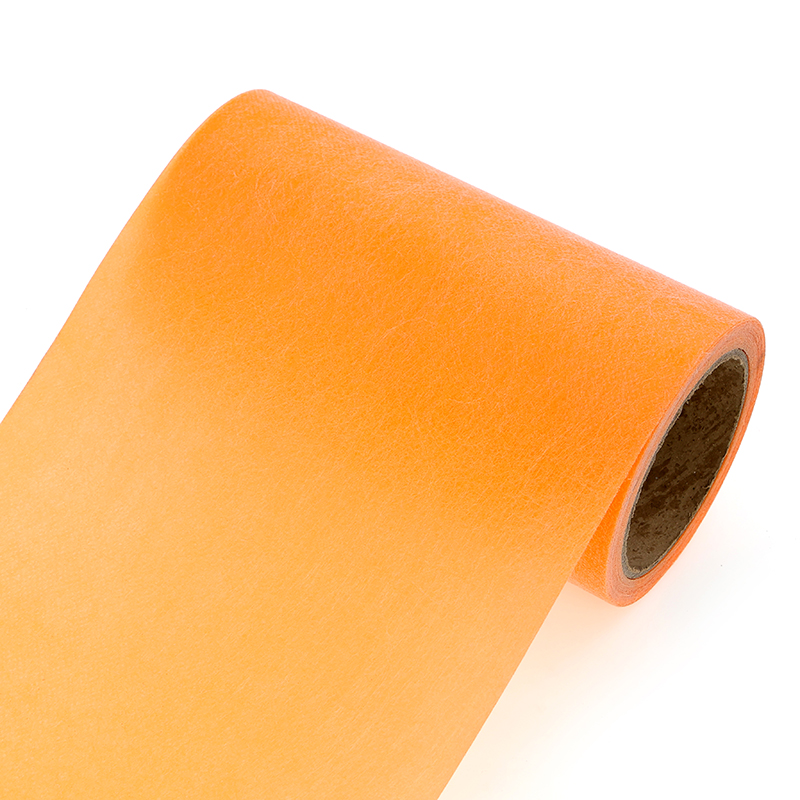
A planted roof turns the waterproofing layer into a hidden component: repairing a leak means lifting the landscape above it. That is the case for a root puncture resistance pe pp membrane in any green roof waterproofing membrane specification — provided the buyer understands what a pe pp composite membrane can and cannot do alone.
Why Planted Roofs Demand More From the Sheet
Two threats are easy to confuse. Puncture resistance covers sharp aggregates, foot traffic, and dropped tools. Root resistance is slower: fine roots probing laps, seams, and any thin, stressed, or poorly bonded point. A green roof waterproofing membrane therefore has to be assessed against both threats, and every root resistant membrane claim should rest on documented test evidence rather than a marketing adjective. European purchasers commonly reference FLL-based test frameworks; agree in advance which documents your project accepts. A polyethylene polypropylene membrane behaves very differently from bitumen or PVC under biological pressure.
Inside the PE/PP Composite: How the Material Resists Penetration
A pe pp composite membrane is a sandwich: a polyethylene core film that carries the waterproofing function, bonded between non-woven polypropylene fiber layers on both faces. Each layer contributes differently when roots attack a green roof waterproofing membrane. The polyethylene core is tough, chemically inert, and flexible; under a slow, concentrated force it deforms instead of splitting. The polypropylene faces protect the core during handling, key mechanically into cementitious mortar, and spread local stress so no single point can load the film. High elongation is the third ingredient: because a polyethylene polypropylene membrane stretches far beyond its original length before failure, a root tip tends to deform the material locally rather than open a pinhole. That combination — toughness, stretch, stress distribution — is the material logic behind root puncture resistance pe pp membrane behavior. Verification under GB/T 17643 turns it into checkable figures — the difference between a root resistant membrane and a slogan.
The Data-Sheet Numbers That Do the Work
The manufacturer publishes three grades of pe pp composite membrane, so properties can be matched to exposure:
- Lightweight: 100–200 g/m², 0.3–0.5mm, tensile strength ≥60 N/50mm, elongation at break ≥200%, watertight at 0.3 MPa.
- Medium: 300–400 g/m², 0.6–0.8mm, tensile strength ≥100 N/50mm, elongation ≥150%, watertight at 0.4 MPa.
- Heavy: 500–600 g/m², 1.0mm, tensile strength ≥150 N/50mm, elongation ≥100%, watertight at 0.6 MPa.
All three polyethylene polypropylene membrane grades are rated from -20°C to 70°C and carry CE marking with ISO 14001 certification. On a planted deck, elongation and toughness usually matter more than peak tensile strength, because post-planting loads are slow and diffuse. Choose a root puncture resistance pe pp membrane by weighing these figures against planting depth and maintenance traffic. Here a green roof waterproofing membrane differs most from a plain polyethylene sheet: the bonded structure, not just the polymer, delivers the performance of a root resistant membrane.
Matching the Grade to the Roof Build-Up
Lightweight sheet suits wet rooms and protected transition layers rather than planted decks. Where media are shallow, the medium 0.6–0.8mm pe pp composite membrane is the usual starting point; the heavy 1.0mm grade serves deeper planting and higher water pressure. On one municipal office planting, the contractor embedded a medium-grade polyethylene polypropylene membrane into polymer-modified slurry over a repaired deck and inspected every lap before the drainage layer went down; two seasons later, that green roof waterproofing membrane shows no distress at the upstands — where most planted-roof failures begin. The grade matched the exposure — precisely the point of root puncture resistance pe pp membrane selection.
Installation Choices That Preserve Root Resistance
The published method is cement-bonded: the pe pp composite membrane is embedded into wet slurry with the fiber face down, laps held at 50mm or more, then covered with a second coat. No torch means no heat distortion, so the core keeps its properties — relevant to any root resistant membrane, since heat-weakened material is easier to probe. Widths of 1.0m, 1.5m, and 2.0m and lengths of 10m to 100m make the polyethylene polypropylene membrane adaptable: planners place seams away from upstands, drains, and penetrations. Full embedment also limits lateral water movement if a defect occurs, keeping repairs small and local.
What Buyers Should Confirm Before Ordering
Ask for the GB/T 17643 data behind the figures, the CE certificate, and the root-resistance documentation your planting design accepts. Factory-direct supply of this pe pp composite membrane starts at 500 m² with OEM options; Shandong Dingtai Waterproof ships with CE certificate, COA, MSDS, and TDS. Ordered this way, a root puncture resistance pe pp membrane becomes one controlled layer in a documented green roof waterproofing membrane system.
Frequently Asked Questions
Is a thicker PE/PP sheet always more root resistant?
No. The heavy 1.0mm grade of this pe pp composite membrane has the highest tensile strength (≥150 N/50mm) but the lowest elongation (≥100%), while the 0.3–0.5mm lightweight grade stretches past 200%. Toughness, elongation, and bond quality decide how a root puncture resistance pe pp membrane performs — thickness alone does not.
Can a PE/PP sheet be used on every green roof?
Not automatically. Suitability depends on planting depth, media, drainage, and the required evidence. The three published grades of this polyethylene polypropylene membrane suit different pressure levels; confirm the assembly with the designer before ordering.
Why is cement bonding preferred over torching?
The pe pp composite membrane is designed to embed in slurry with laps of at least 50mm. Mortar bonding involves no open flame, avoids heat damage to the core, and gives the root puncture resistance pe pp membrane a fully bonded layer that limits hidden water migration — useful for any root resistant membrane that must be inspected before planting.










