 EN
APP Waterproof Membrane: High-Temperature Stability Guide
2026/11/20
How an APP waterproof membrane handles heat: 130°C softening point, torch application windows, overheating signs, summer storage, and thermal aging checks.

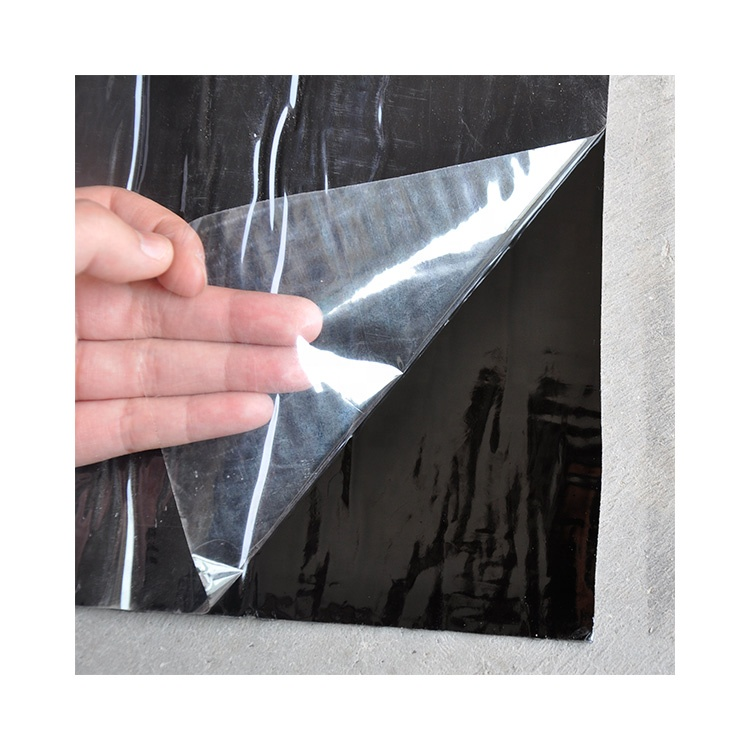
Rain rarely fails a roof in a single storm. It works through weeks of saturation, repeated wetting and drying, and water that keeps returning to the same seam. In monsoon belts, coastal cities and humid river basins, the question is not whether a sheet repels water but how it behaves while wet for months. This guide shows how SBS modified rubber bitumen waterproofing performs under sustained moisture, why a rubber bitumen membrane reacts at the bond line, and how a wet climate waterproofing plan should sequence work around a rainy season.
Laboratory watertightness tests run for minutes under a fixed head. Service runs for years and adds what the test leaves out: capillary suction that pulls water into lap edges, hydrostatic head where an outlet is blocked, vapour drive from a slab left wet, and wet-dry cycling that works a small defect open. For SBS modified rubber bitumen waterproofing, those variables outweigh a single pressure reading. Wet climate waterproofing reviews start at laps and details, where an SBS roofing membrane is only as good as its edge, a rubber bitumen membrane only as good as the deck, and a moisture resistant membrane only as good as both.
Suppliers publish several figures; buyers read one. The datasheet lists flexibility at -25°C, tensile strength of at least 800 N/50mm, elongation of at least 40%, heat resistance of 90°C, thickness grades of 3mm, 4mm and 5mm, and compliance with GB 18242 and EN 13707. Only some of those speak to wet climate waterproofing. Elongation matters because a wet deck moves, and an SBS roofing membrane that stretches without cracking keeps its laps closed. For SBS modified rubber bitumen waterproofing, ask for immersion peel data and for the pressure behind the watertightness certificate; a rubber bitumen membrane tested only dry says little, and a moisture resistant membrane claim without both is hard to audit.
Adhesion is where water wins. A bonded sheet on a dry, primed deck holds; the same sheet over a damp screed traps moisture that expands with solar heating and lifts into blisters. The failure is slow and easy to miss: a soft spot underfoot, a lap lifting at the edge. Morning condensation is the usual culprit on early starts, when the deck sits below the dew point and a rubber bitumen membrane must still bond. Wet climate waterproofing schedules that ignore dew point lose more days to rework than to rain. SBS modified rubber bitumen waterproofing depends on surface condition before it depends on grade, and a moisture resistant membrane pressed onto a damp surface will not recover its bond.
A rainy season is a scheduling problem before it is a materials problem. Divide the roof into work fronts that can each be closed watertight within a shift. Keep rolls dry and off the ground; a wet roll carries water into the lap. On a riverside distribution centre in a monsoon belt, the crew split the roof into drain-to-drain strips and closed each strip before dusk. The SBS roofing membrane stayed on a covered pallet until the deck passed a wipe test; the rubber bitumen membrane went down only on fronts that could be finished in one shift, and every SBS modified rubber bitumen waterproofing roll carried a batch label matched to that day's log. A moisture resistant membrane is judged by that record after the wet season.
Water collects where the roof stops falling. Outlets set flush with the deck, sumps below the membrane and clogged scuppers all produce standing water that a sheet must resist for days. Clamp the SBS roofing membrane into the drain body first, reinforce the flange with a second layer, and keep the slope positive. Upstands need height above the finished surface and a termination that sheds water rather than trapping it behind a fillet. For SBS modified rubber bitumen waterproofing, drainage decides how long the sheet holds water it was not designed to store, a wet climate waterproofing principle that also places a moisture resistant membrane inside the drainage package.
Three checks reduce risk. First, match the certificate to the thickness grade being purchased, because performance is declared per grade rather than for a product family. Second, confirm the finish suits the position: PE film for concealed layers, mineral or foil for exposed work. Third, ask how rolls are packed and stored, since a pallet that has stood in rain becomes a warranty argument. For SBS modified rubber bitumen waterproofing bought against EN 13707, the declaration, the batch COA and the TDS should name the same grade, and an SBS roofing membrane without that paper trail is a risk the buyer carries. Shandong Dingtai Waterproof issues that package, and a rubber bitumen membrane contract should name the grade in writing.
Surface-dry is the minimum. A primed deck must cure before the roll goes down, because trapped moisture expands under solar gain and lifts the sheet, and a moisture resistant membrane cannot bond through free water.
Short-term ponding is tolerated by a correctly lapped system. Long-term ponding attacks lap edges and terminations, so the answer is better drainage rather than a thicker sheet. An SBS roofing membrane cannot correct a flat spot.
Once the deck is dry, the primer has cured and the dew point margin is positive, work restarts. A moisture meter reading and a wipe test beat the clock. Crews running a wet climate waterproofing programme should log both daily and record where each SBS modified rubber bitumen waterproofing roll was laid.

2026/11/20
How an APP waterproof membrane handles heat: 130°C softening point, torch application windows, overheating signs, summer storage, and thermal aging checks.

2026/11/20
The science of a breathable waterproof membrane: water vapor diffusion, Sd values, three grammage grades, water column resistance, and wrong-use cases.

2026/11/20
Single-ply or two-ply, every flat roof is a stack. See how a self adhesive waterproof membrane for roof systems handles base, cap, insulation and drains.

2026/11/20
How the polyester scrim sets tensile strength and dimensional stability of reinforced TPO membrane rolls, with welding, roll sizes and selection tips.

2026/11/20
How an aluminum foil coated bitumen waterproof membrane reflects solar radiation, lowers surface temperature, and what maintenance keeps savings alive.

2026/11/20
SBS modified bitumen waterproof membrane property groups: tensile strength, low-temperature flexibility, heat resistance, surface finishes, applications.
Links to the corresponding full news page.

The eight questions overseas buyers ask most — factory ownership, capacity, batch consistency and lead times, answered straight.

SBS membranes, polymer sheets, coatings and geomembranes — six product lines are operating simultaneously.

Pre-sales specification, on-site technical support and post-delivery maintenance across 100+ export markets.

Waterproofing performance is decided in the specification and the detailing, not just the material. Our technical team helps you select the right system, resolve site questions as they arise, and stay reachable long after the container lands.
