 EN
APP Waterproof Membrane: High-Temperature Stability Guide
2026/11/20
How an APP waterproof membrane handles heat: 130°C softening point, torch application windows, overheating signs, summer storage, and thermal aging checks.

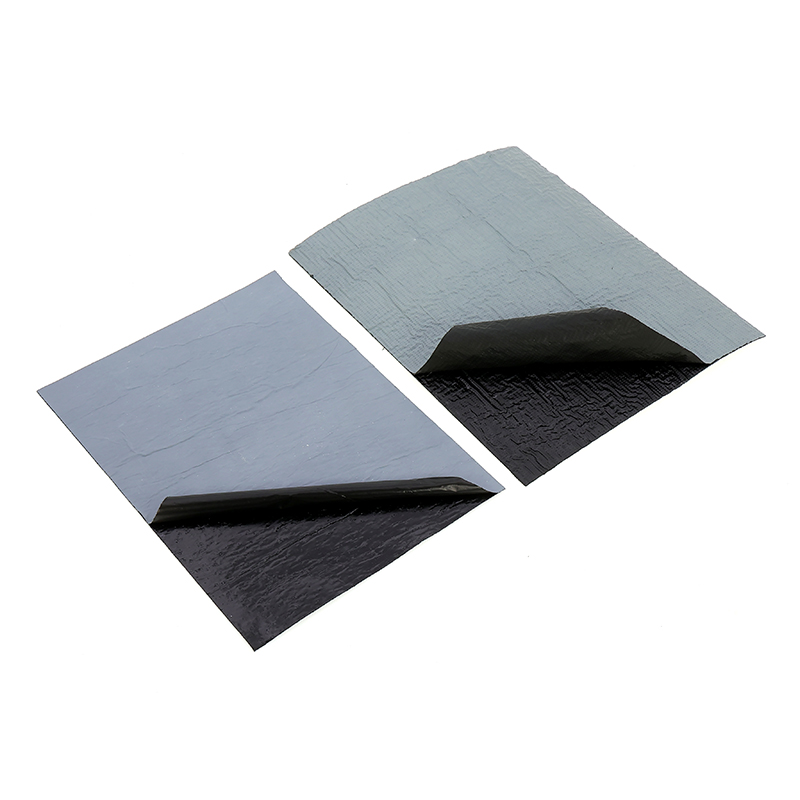
Flat roofs need a waterproofing system that can handle rainfall, temperature changes, surface movement, and the details around drains and roof edges. An SBS torch grade membrane is a modified bitumen sheet designed for heat-fusion installation. SBS stands for styrene-butadiene-styrene, a polymer modifier used to improve the flexibility of bitumen. The membrane commonly combines the modified bitumen compound with a reinforcing carrier, such as polyester mat or fiberglass, and a selected surface finish.
When heat is applied correctly, the bitumen at the underside softens and bonds to the prepared substrate or compatible lower layer. The overlaps are also fused to create a continuous waterproofing surface. However, the finished system depends on more than the sheet itself. Substrate condition, membrane compatibility, drainage design, seam quality, and workmanship all influence performance. For this reason, the SBS torch grade membrane should be selected as part of a complete roof assembly rather than as an isolated material purchase.
Before ordering an SBS torch grade membrane, buyers should compare the technical data sheet with the project specification. Common product options include thicknesses of 3 mm, 4 mm, and 5 mm, but availability and performance can vary by grade. Reinforcement may use polyester mat, fiberglass, or a composite carrier. Surface finishes can include PE film, fine sand, or aluminum foil, depending on the intended application and installation arrangement.
Low-temperature flexibility is important where roofs experience cold weather or repeated temperature changes. Some listed grades offer flexibility down to -25°C, but this value should not be assumed for every product. Likewise, a tensile strength of at least 800 N/50 mm, elongation at break of at least 40%, and heat resistance of 90°C apply only where confirmed by the relevant product data. Buyers should check the test direction, test method, reinforcement type, and applicable standard before comparing figures.
The required surface finish also matters. A PE-film finish is commonly used for layers intended to be covered or bonded within a system, while mineral-surfaced products may be selected for certain exposed roofing applications. Always confirm whether the selected finish is suitable for the roof design, exposure conditions, and next construction layer.
Correct preparation is essential before installing an SBS torch grade membrane. The substrate should be stable, clean, and prepared in line with the membrane manufacturer’s instructions. Dust, loose particles, oil, standing water, and sharp projections can interfere with bonding or damage the sheet. Cracks, depressions, and uneven areas should be assessed and repaired before waterproofing begins.
Roof falls and drainage outlets need particular attention. A membrane does not replace a properly designed drainage system, and persistent ponding can place additional demands on the roof assembly. Before work starts, confirm that drains are positioned correctly, the substrate is suitable, and the specified primer is compatible with both the substrate and membrane. Primer should be applied and allowed to reach the required condition according to its technical instructions.
Torch application involves an open flame, so installation must be carried out by trained personnel under the site’s fire-safety procedures. Check for combustible materials, concealed openings, and other fire risks before heating the membrane. Where open-flame work is restricted, a compatible self-adhesive or other approved system may be more appropriate.
A roof can leak even when the main membrane surface appears intact. Water entry often occurs around laps, drainage outlets, pipe penetrations, upstands, corners, and transitions between horizontal and vertical surfaces. These details should be planned before the main sheet installation begins.
For an SBS torch grade membrane system, side laps and end laps must follow the product instructions and project specification. Some project examples use approximately 100 mm side laps and 150 mm end laps, but these dimensions are not universal and must be confirmed for the selected product. Seams should be properly fused without leaving open channels, excessive overheating, wrinkles, or damaged reinforcement. Where a multi-layer system is specified, the upper-layer joints should be arranged according to the approved installation design rather than aligned automatically with the lower-layer seams.
Penetrations and upstands require compatible detailing components and careful workmanship. Drainage outlets should allow water to enter freely without creating weak points in the waterproofing layer. Inspect corners and terminations closely, because a small defect in these areas can compromise the overall system. The installation plan should identify how each detail will be sealed before the work is covered by later layers or protective finishes.
After installing an SBS torch grade membrane, inspect the roof systematically rather than checking only the large, open areas. Look for loose edges, unbonded seams, blisters, punctures, wrinkles, and signs of overheating. Check that laps are continuous and that the membrane is securely terminated around drains, parapets, pipes, and other penetrations. Any defects should be repaired using an approved method before the roof is concealed or put into service.
The inspection and testing procedure should match the roof design and project requirements. A controlled water test may be suitable for some roofs, but it should only be performed when the structure, drainage arrangements, and project team permit it. Flood testing is not appropriate for every roof configuration. Document the materials used, batch information where available, installation conditions, inspection results, and any repairs completed.
For procurement teams, supplier verification is also part of quality control. Request the current technical data sheet, applicable test reports, product identification, and installation guidance for the specific grade being purchased. Confirm thickness, reinforcement, finish, roll dimensions, and performance values in writing. Comparing these details before shipment helps reduce the risk of receiving a product that does not match the project specification.
Choosing an SBS torch grade membrane for a flat roof requires a balance between product properties, climate, roof design, installation conditions, and project requirements. A suitable grade, a properly prepared substrate, carefully detailed seams, and documented quality checks work together to support a reliable waterproofing system.
Common options include 3 mm, 4 mm, and 5 mm. The correct thickness depends on the roof design, reinforcement, exposure, system build-up, and project specification. Confirm the required grade with the project designer and current product data sheet.
Installation suitability depends on the product instructions, ambient conditions, substrate condition, and safe handling requirements. Low-temperature flexibility is a product performance property; it does not automatically mean the membrane can be installed at the same low temperature. Follow the manufacturer’s installation guidance.
Inspect seams, edges, drains, penetrations, corners, and terminations for bonding defects or physical damage. Complete any specified testing and record inspection results and repairs before covering the membrane or handing over the roof.

2026/11/20
How an APP waterproof membrane handles heat: 130°C softening point, torch application windows, overheating signs, summer storage, and thermal aging checks.

2026/11/20
The science of a breathable waterproof membrane: water vapor diffusion, Sd values, three grammage grades, water column resistance, and wrong-use cases.

2026/11/20
Single-ply or two-ply, every flat roof is a stack. See how a self adhesive waterproof membrane for roof systems handles base, cap, insulation and drains.

2026/11/20
How the polyester scrim sets tensile strength and dimensional stability of reinforced TPO membrane rolls, with welding, roll sizes and selection tips.

2026/11/20
How an aluminum foil coated bitumen waterproof membrane reflects solar radiation, lowers surface temperature, and what maintenance keeps savings alive.

2026/11/20
SBS modified bitumen waterproof membrane property groups: tensile strength, low-temperature flexibility, heat resistance, surface finishes, applications.
Links to the corresponding full news page.

The eight questions overseas buyers ask most — factory ownership, capacity, batch consistency and lead times, answered straight.

SBS membranes, polymer sheets, coatings and geomembranes — six product lines are operating simultaneously.

Pre-sales specification, on-site technical support and post-delivery maintenance across 100+ export markets.

Waterproofing performance is decided in the specification and the detailing, not just the material. Our technical team helps you select the right system, resolve site questions as they arise, and stay reachable long after the container lands.
