 EN
APP Waterproof Membrane: High-Temperature Stability Guide
2026/11/20
How an APP waterproof membrane handles heat: 130°C softening point, torch application windows, overheating signs, summer storage, and thermal aging checks.

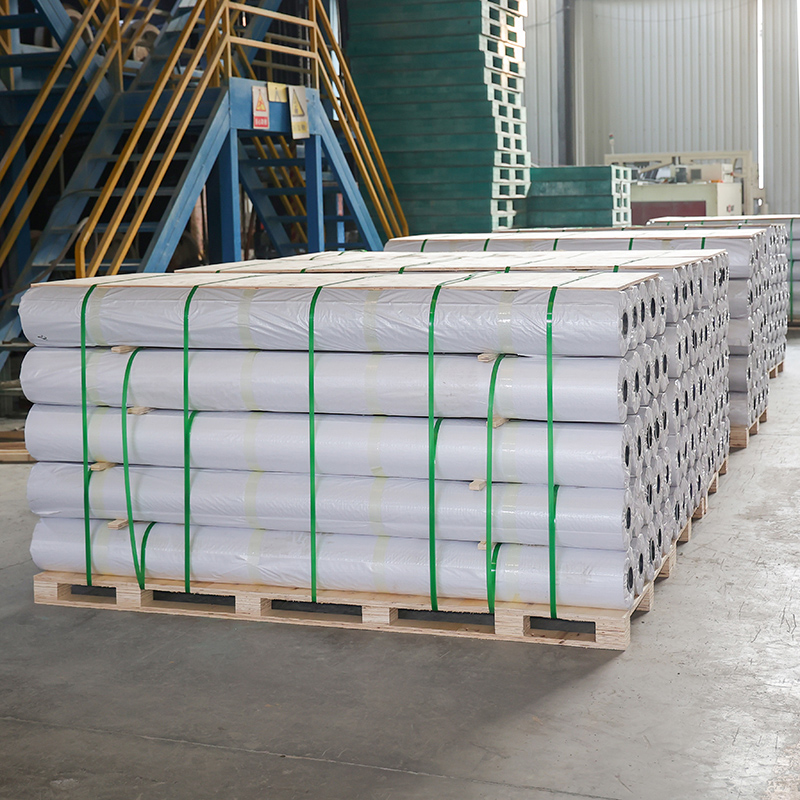
In commercial structural engineering, installing self adhering sheet waterproofing provides a dependable, flame-free defense against water intrusion. A self adhering sheet waterproofing system utilizes factory-controlled membrane thickness to eliminate the field application inconsistencies typical of liquid coatings. By eliminating hot asphalt kettles and open-flame propane torches, self adhering sheet waterproofing enhances jobsite safety across confined subterranean spaces and occupied buildings. Furthermore, modern self adhering sheet waterproofing incorporates high-tack polymer-modified bitumen compounds that adhere tenaciously to prepared masonry, concrete, and metal surfaces. For general contractors and commercial developers, specifying self adhering sheet waterproofing guarantees consistent waterproofing performance while streamlining construction schedules.
The long-term durability of self adhering sheet waterproofing relies on the advanced material engineering of its composite layers. The core of self adhering sheet waterproofing consists of elastomeric SBS-modified bitumen that provides lasting viscoelasticity across severe temperature fluctuations. This resilient compound allows the self adhering sheet waterproofing to absorb minor structural substrate cracking without rupturing. Above the bitumen core, a cross-laminated high-density polyethylene film protects the self adhering sheet waterproofing against puncture damage from coarse backfill and reinforcement steel. In addition, this protective film gives the self adhering sheet waterproofing dimensional stability, preventing stretching during warm-weather placement. Installing high-grade self adhering sheet waterproofing ensures an unbroken, monolithic moisture envelope that resists aggressive soil chemicals.
Evaluating whether to install self adhering sheet waterproofing or a liquid-applied coating depends on the geometric complexity and surface area of the jobsite. On extensive, unobstructed foundation walls and low-slope decks, self adhering sheet waterproofing offers unmatched speed and verified dry-film thickness. Using self adhering sheet waterproofing eliminates the risk of pinholes, inadequate curing, or uneven film depths that often compromise liquid coatings. Conversely, liquid membranes excel at sealing congested pipe clusters where fitting flat sheets is difficult, though self adhering sheet waterproofing detail strips can seal these junctions effectively. Furthermore, crews can backfill against self adhering sheet waterproofing immediately after installing protection boards, whereas liquid coatings require prolonged curing times. Specifying engineered self adhering sheet waterproofing provides predictable quality assurance across broad commercial surfaces.
Achieving a permanent bond with self adhering sheet waterproofing demands meticulous surface preparation and disciplined site protocols. Installers must clean concrete surfaces thoroughly, as self adhering sheet waterproofing cannot bond to dusty laitance, form oil, or loose aggregate. Applying a compatible polymer primer prior to positioning the self adhering sheet waterproofing consolidates residual dust and enhances adhesive wetting. Technicians should align each roll of self adhering sheet waterproofing carefully, peeling the release backing progressively to prevent entrapped air pockets. Workers must roll every square meter of the self adhering sheet waterproofing with a heavy steel or silicone hand roller to force the adhesive compound into microscopic surface pores. Proper roller pressure ensures that the self adhering sheet waterproofing achieves full molecular contact across horizontal and vertical substrates.
The long-term success of any self adhering sheet waterproofing installation depends on continuous detailing at laps and penetrations. When splicing adjacent rolls of self adhering sheet waterproofing, workers must maintain minimum lap margins of seventy-five millimeters on side seams and one hundred millimeters on end joints. Installers should offset end laps across successive runs of self adhering sheet waterproofing to avoid creating four-way joint intersections. At structural corners and pipe penetrations, applying reinforced detail strips of self adhering sheet waterproofing creates a multi-layered transition barrier before laying the field membrane. Furthermore, technicians must seal all terminating edges of the self adhering sheet waterproofing with compatible mastic to prevent water from tracking behind the sheet. Thoroughly inspecting every seam of the self adhering sheet waterproofing eliminates potential moisture bypass.
Commercial procurement managers and distribution networks should source self adhering sheet waterproofing directly from established manufacturing facilities. Shandong Dingtai Waterproof Technology Co., Ltd. manufactures certified self adhering sheet waterproofing rolls under the JinDingTai brand, enforcing strict quality standards for compound mass, tensile strength, and low-temperature flexibility. Sourcing a factory-tested self adhering sheet waterproofing guarantees that the membrane complies with international building codes and provides documented peel adhesion. In addition, purchasing standardized wholesale quantities of self adhering sheet waterproofing streamlines inventory management across multiple commercial developments. Investing in a proven self adhering sheet waterproofing safeguards structural foundations against water ingress and costly structural repairs.
No, this membrane must never be applied over damp, green, or wet concrete substrates. Trapped substrate moisture creates an unbonded layer that prevents the adhesive compound from wetting the concrete, leading to blister formation and edge lifting. Always ensure the substrate is fully cured and dry before applying primer and self adhering sheet waterproofing.
High-performance self adhering sheet waterproofing operates reliably across temperatures ranging from minus thirty degrees Celsius to eighty degrees Celsius. The modified bitumen compound maintains elasticity in freezing winter conditions and resists sagging under intense summer heat.
Mechanical roller pressure activates the pressure-sensitive adhesive compound of the self adhering sheet waterproofing, forcing the elastomeric bitumen into surface irregularities. Rolling the membrane displaces trapped air pockets and ensures continuous, 100% molecular adhesion to the primed substrate.

2026/11/20
How an APP waterproof membrane handles heat: 130°C softening point, torch application windows, overheating signs, summer storage, and thermal aging checks.

2026/11/20
The science of a breathable waterproof membrane: water vapor diffusion, Sd values, three grammage grades, water column resistance, and wrong-use cases.

2026/11/20
Single-ply or two-ply, every flat roof is a stack. See how a self adhesive waterproof membrane for roof systems handles base, cap, insulation and drains.

2026/11/20
How the polyester scrim sets tensile strength and dimensional stability of reinforced TPO membrane rolls, with welding, roll sizes and selection tips.

2026/11/20
How an aluminum foil coated bitumen waterproof membrane reflects solar radiation, lowers surface temperature, and what maintenance keeps savings alive.

2026/11/20
SBS modified bitumen waterproof membrane property groups: tensile strength, low-temperature flexibility, heat resistance, surface finishes, applications.
Links to the corresponding full news page.

The eight questions overseas buyers ask most — factory ownership, capacity, batch consistency and lead times, answered straight.

SBS membranes, polymer sheets, coatings and geomembranes — six product lines are operating simultaneously.

Pre-sales specification, on-site technical support and post-delivery maintenance across 100+ export markets.

Waterproofing performance is decided in the specification and the detailing, not just the material. Our technical team helps you select the right system, resolve site questions as they arise, and stay reachable long after the container lands.
