 EN
APP Waterproof Membrane: High-Temperature Stability Guide
2026/11/20
How an APP waterproof membrane handles heat: 130°C softening point, torch application windows, overheating signs, summer storage, and thermal aging checks.

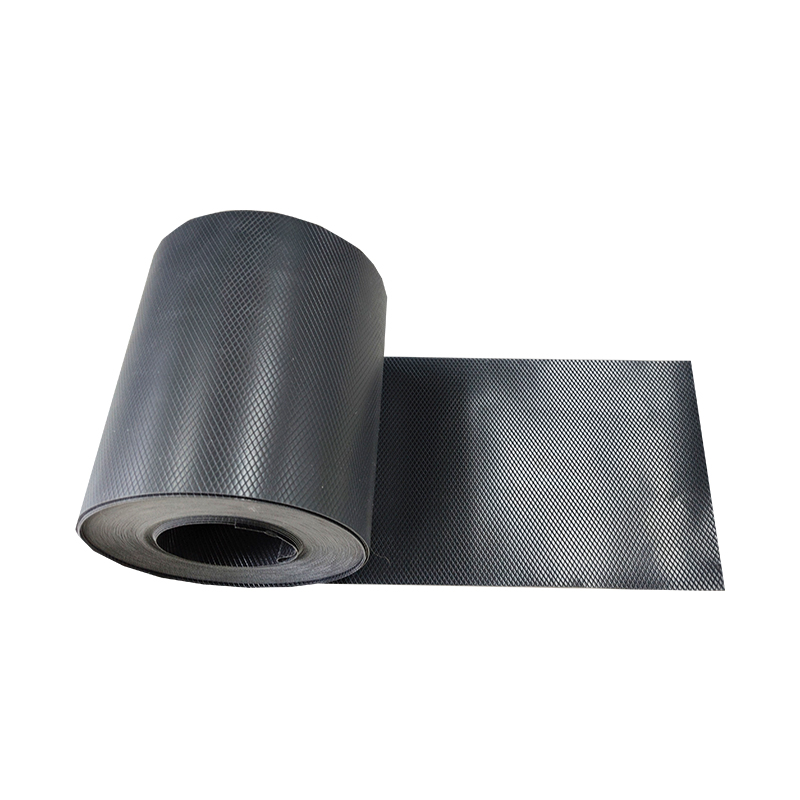
Moisture at the base of a wall rarely stays at the base, and when masonry is in contact with wet ground or saturated fill, liquid water can move upward through fine structural pores by persistent capillary action. A high-quality self adhesive damp proof course strip provides an indispensable continuous horizontal break directly across that vulnerable upward migration route. For a building contractor, the primary advantage is practical and immediate on the job site: the self adhesive damp proof course strip stays firmly where it is placed while the subsequent course is laid, which makes accurate alignment and neat mortar jointing significantly easier and more consistent than attempting to position an unbonded loose membrane. As a waterproofing technical engineer, my professional focus always starts with the complete wall build-up rather than just the standalone roll of material. A modern self adhesive damp proof course strip functions effectively only when its overall width, adhesive compatibility, minimum lap dimensions, cavity moisture detailing, and final exterior ground levels all systematically support the exact same moisture-management plan.
A self adhesive damp proof course strip is installed directly within a horizontal bed joint to interrupt the path that liquid moisture would otherwise take through brick, block, mortar, or stone. It serves as a specialized DPC barrier for structural walls rather than an alternative to an interior concrete slab damp-proof membrane. Within a correctly detailed building envelope, every self adhesive damp proof course strip must connect logically and securely with flexible cavity trays, sheet flashings, and subterranean floor moisture barriers wherever project specifications dictate. The durable adhesive backing of a self adhesive damp proof course strip is engineered to keep the sheet stabilized throughout rough working conditions. However, this installation convenience does not remove the essential site requirement for an even, clean bearing surface. Masonry covered in heavy mortar dust, standing pools of water, torn release backing liners, and uneven material folds can compromise the protective seal of a self adhesive damp proof course strip long before the rising wall reaches its designed structural height.
Choosing the proper material requires evaluating your full wall design rather than simply reading product labels. Standard DPC options across commercial building include traditional polyethylene plastic sheets, modified bitumen membranes, and advanced synthetic polymers. A self adhesive damp proof course strip delivers an unmatched positioning advantage during masonry work, but its official datasheet dictates the proper substrate type, allowable working temperature range, lap adhesion instructions, and long-term weathering limits. Always match roll width directly to wall thickness so that the self adhesive damp proof course strip forms an uninterrupted barrier across the entire bed without pulling away at corner returns. A standard dpc plastic sheet roll for wall damp proofing is sometimes deployed for atypical dimensions, whereas a factory-manufactured self adhesive damp proof course strip provides superior placement consistency during repetitive courses. Evaluating wall thickness ensures the self adhesive damp proof course strip spans the complete width of the protected masonry unit, while verifying the substrate confirms that the adhesive will bond securely and resist site moisture. Inspecting joint detailing ensures that approved tapes and stop ends maintain complete structural continuity, while checking the floor intersection prevents water from bypassing the self adhesive damp proof course strip through unprotected edge gaps.
Positioning the self adhesive damp proof course strip at the proper height shown on building blueprints and local code requirements is critical. UK construction practices often specify a reference line of at least 150 millimeters above the external ground level for setting a self adhesive damp proof course strip, although sloping soil, paved door thresholds, and regional regulations can require custom heights. That reference level must remain permanently exposed in the finished property, because built-up flower beds, exterior wall render carried too low, loose mortar droppings, or outdoor patios bridging the masonry will create secondary capillary bridges that bypass the barrier entirely. This is why a self adhesive damp proof course strip should be treated as one cohesive part of drainage and ground-level coordination, not as a standalone remedy for every damp complaint.
Installing a self adhesive damp proof course strip involves disciplined, sequential site procedures. The builder must first establish clear chalk lines along the structure to confirm consistent height across wall intersections. The mason then spreads a complete, flat mortar bed so that the self adhesive damp proof course strip rests on a solid surface without voids. After measuring the wall length, the installer cuts the self adhesive damp proof course strip cleanly, peels off the protective liner, and presses the self adhesive damp proof course strip firmly into the mortar bed without stretching or folding the polymer. Where two rolls intersect, they must create an overlap of at least 100 millimeters across the self adhesive damp proof course strip to guarantee a sealed boundary. Once the self adhesive damp proof course strip is in position, the next masonry course should be laid immediately without dragging sharp masonry units across the exposed membrane. If the joint requires secondary sealing, always select the manufacturer-approved adhesive tape rather than an ordinary 3m waterproof adhesive tape that may degrade from mortar alkalis.
To stop moisture bridging, workers must keep clear cavities, prevent mortar from piling above the self adhesive damp proof course strip, and verify that flashings direct water away from the wall. A correctly placed self adhesive damp proof course strip can still be bypassed by poor site coordination. Contractors must inspect cavity closers, mortar droppings, wall ties, service penetrations, render, internal screeds, and external landscaping. The question at each detail is simple: can water travel around the self adhesive damp proof course strip through a continuous solid, wet debris, or an unsealed joint? Keep cavities clear above and below the DPC where the wall design uses a cavity, and do not bridge the self adhesive damp proof course strip with excess mortar. Coordinate cavity trays and flashings so water discharges outward rather than onto the self adhesive damp proof course strip edge. Keep external finishes, paving, and soil below the designed level of the self adhesive damp proof course strip, and check that floor build-ups do not create a hidden path around the self adhesive damp proof course strip.
For new masonry, building in a self adhesive damp proof course strip is usually the clearest way to establish a continuous horizontal barrier. It can be easily inspected during construction and coordinated with the rest of the envelope. In an existing wall, the original DPC may be absent, damaged, bridged, or simply obscured by later alterations. Chemical injection is sometimes evaluated for retrofit work when cutting in a physical DPC is too disruptive. However, chemical systems are not a universal upgrade to a physical self adhesive damp proof course strip, and they will not overcome an external bridge that remains in place. A survey-led repair plan should address the moisture source and bridging conditions first before replacing a self adhesive damp proof course strip system.
As a final checklist, is the self adhesive damp proof course strip the specified material and correct width? Is the DPC course set to the approved level relative to final external ground? Are laps, stop ends, and junctions completed using the specified compatible method? Are there wrinkles, tears, mortar bridges, or contaminated adhesive areas? Do cavity, floor, flashing, and landscaping details preserve a continuous moisture break? A self adhesive damp proof course strip is easy to install only when the surrounding detail is understood. Specify the material against the wall system, follow its technical instructions, and inspect continuity before the work is covered, helping the barrier reduce the likelihood that capillary moisture becomes a costly finish or maintenance issue.

2026/11/20
How an APP waterproof membrane handles heat: 130°C softening point, torch application windows, overheating signs, summer storage, and thermal aging checks.

2026/11/20
The science of a breathable waterproof membrane: water vapor diffusion, Sd values, three grammage grades, water column resistance, and wrong-use cases.

2026/11/20
Single-ply or two-ply, every flat roof is a stack. See how a self adhesive waterproof membrane for roof systems handles base, cap, insulation and drains.

2026/11/20
How the polyester scrim sets tensile strength and dimensional stability of reinforced TPO membrane rolls, with welding, roll sizes and selection tips.

2026/11/20
How an aluminum foil coated bitumen waterproof membrane reflects solar radiation, lowers surface temperature, and what maintenance keeps savings alive.

2026/11/20
SBS modified bitumen waterproof membrane property groups: tensile strength, low-temperature flexibility, heat resistance, surface finishes, applications.
Links to the corresponding full news page.

The eight questions overseas buyers ask most — factory ownership, capacity, batch consistency and lead times, answered straight.

SBS membranes, polymer sheets, coatings and geomembranes — six product lines are operating simultaneously.

Pre-sales specification, on-site technical support and post-delivery maintenance across 100+ export markets.

Waterproofing performance is decided in the specification and the detailing, not just the material. Our technical team helps you select the right system, resolve site questions as they arise, and stay reachable long after the container lands.
