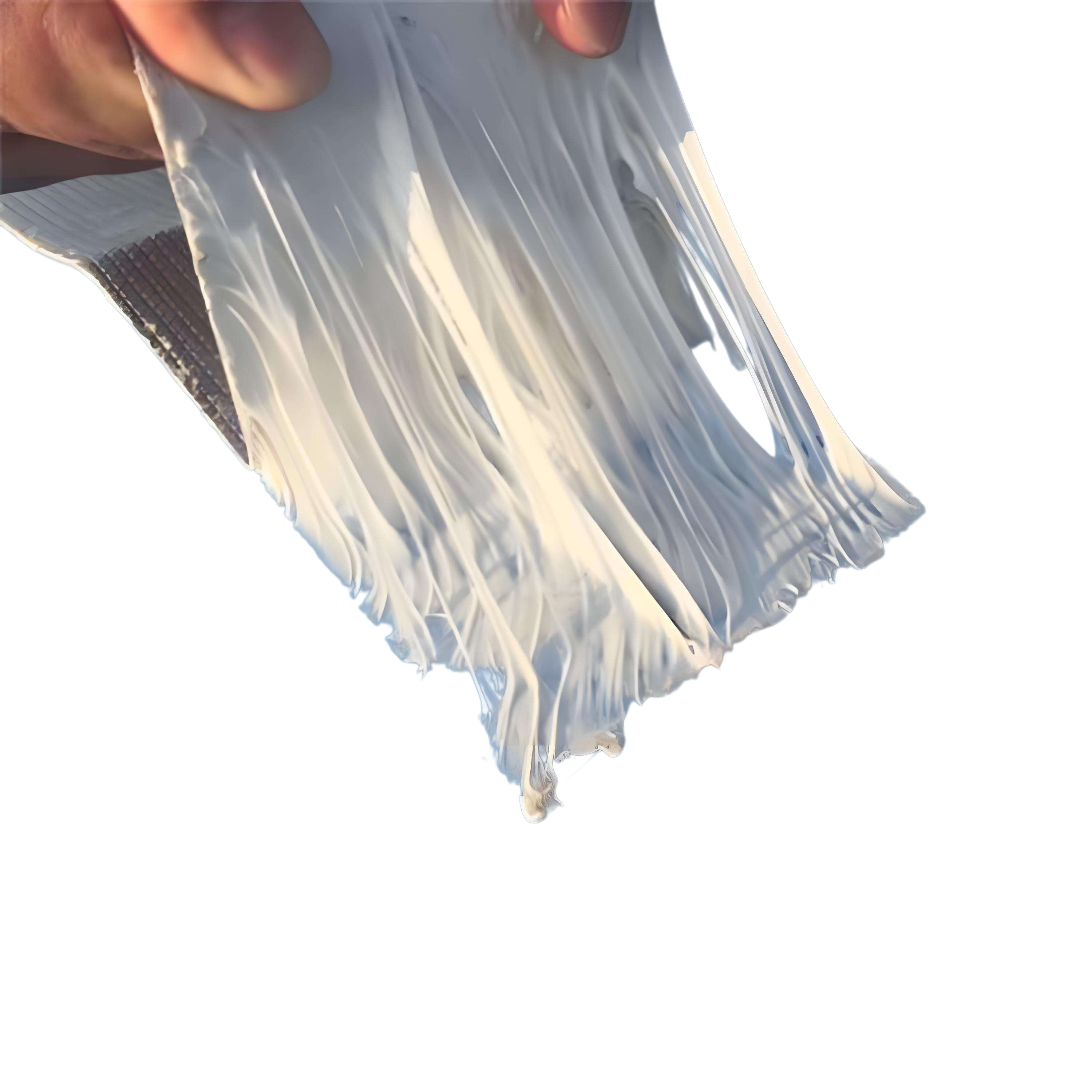
In modern commercial masonry construction, installing an engineered self adhesive moisture barrier is essential for protecting wall assemblies from rising capillary damp and subterranean moisture. A self adhesive moisture barrier provides a cold-applied, peel-and-stick defense that prevents liquid water from migrating through porous concrete foundations and masonry mortar beds. While traditional sheet materials require torching or separate bonding mastics, a modern self adhesive moisture barrier incorporates a modified asphaltic or butyl adhesive layer that bonds aggressively to prepared substrates. Commercial contractors specify a self adhesive moisture barrier because it creates a continuous, flexible membrane across high-risk masonry transitions. Investing in a certified self adhesive moisture barrier ensures durable weatherproofing and prevents structural dampness throughout the service life of the building.
Mapping Capillary Rise and Subterranean Water Paths
Porous masonry units and concrete foundations contain interconnected capillary networks that draw moisture upward from wet subsoils. Installing a horizontal self adhesive moisture barrier within the bedding mortar interrupts this upward water movement before it penetrates internal plaster and insulation. In below-grade foundation walls, a heavy-duty self adhesive moisture barrier shields exterior concrete from lateral soil moisture and ground salts. However, contractors must recognize that a self adhesive moisture barrier must be integrated into a comprehensive drainage design to manage hydrostatic pressure. Applying a continuous self adhesive moisture barrier around grade beams and basement transitions prevents lateral water tracking. Understanding these moisture dynamics ensures that project specifiers select the proper grade of self adhesive moisture barrier for demanding structural assemblies.
Comparing Membrane Formulations and Roll Dimensions
Selecting the right self adhesive moisture barrier requires evaluating the substrate conditions and mechanical demands of the wall section. For standard horizontal bed joints, contractors often select an embossed polyethylene self adhesive moisture barrier to achieve superior mechanical keying with masonry mortar. For below-grade foundation faces, a thicker polymer-modified bituminous self adhesive moisture barrier provides robust puncture resistance against coarse backfill aggregate. When sourcing a self adhesive moisture barrier, specifiers should choose roll widths ranging from one hundred millimeters to three hundred millimeters to ensure complete coverage across varying wall leaves. A properly sized self adhesive moisture barrier covers the full thickness of the concrete blockwork without leaving exposed edges. Sourcing an industrial self adhesive moisture barrier guarantees consistent compound thickness and reliable release liner removal on the jobsite.
Installation Protocols for Horizontal and Vertical Applications
Achieving a permanent bond with a self adhesive moisture barrier demands rigorous substrate preparation and methodical detailing. Installers must prime dusty concrete surfaces with a compatible primer before applying the self adhesive moisture barrier to consolidate surface particles and ensure deep adhesive wetting. When placing a self adhesive moisture barrier as a horizontal damp proof course, workers should maintain a minimum level of one hundred and fifty millimeters above finished exterior ground level. Adjoining sections of the self adhesive moisture barrier must be overlapped by at least one hundred millimeters to maintain uninterrupted water tightness. Technicians should press the self adhesive moisture barrier firmly into place using a heavy silicone hand roller to eliminate trapped air pockets. Protecting the self adhesive moisture barrier from mechanical punctures during mortar placement ensures long-term barrier performance.
Eliminating Thermal and Structural Bridging Failures
Jobsite detailing errors frequently compromise the effectiveness of an otherwise sound self adhesive moisture barrier installation. A primary cause of water intrusion occurs when exterior soil landscaping or exterior wall renders bridge over the self adhesive moisture barrier line, allowing moisture to cross the barrier. Furthermore, mortar droppings falling inside wall cavities can bridge across the self adhesive moisture barrier, transmitting dampness to the interior leaf. To maintain complete protection, crews must link the horizontal self adhesive moisture barrier seamlessly with the interior floor membrane and exterior vertical damp proofing layers. Ensuring that the self adhesive moisture barrier remains continuous around corners, window openings, and structural returns eliminates localized failure points. Documenting the finished self adhesive moisture barrier layout before backfilling provides quality verification for project handover.
Sourcing Industrial Grades from Certified Manufacturers
Distributors and procurement managers should source each self adhesive moisture barrier directly from reputable manufacturing facilities to ensure strict quality control. Shandong Dingtai Waterproof Technology Co., Ltd. manufactures high-grade self adhesive moisture barrier rolls under the JinDingTai brand, engineered to meet international tensile and elongation standards. Sourcing a factory-direct self adhesive moisture barrier guarantees consistent low-temperature flexibility and durable adhesion across diverse building substrates. In addition, procuring a standardized self adhesive moisture barrier package simplifies logistics for large-scale residential and industrial developments. Investing in a proven self adhesive moisture barrier protects property developers from expensive remedial repairs and structural degradation.
Frequently Asked Questions
Can a self adhesive moisture barrier be applied directly over green concrete?
No, a self adhesive moisture barrier should never be installed over green or damp concrete. Residual moisture in the concrete prevents the adhesive layer of the self adhesive moisture barrier from bonding properly, causing blisters and edge lifting. Always ensure the concrete has fully cured and dried before applying a primer and the self adhesive moisture barrier.
What is the recommended overlap when joining rolls of a self adhesive moisture barrier?
When splicing adjacent rolls of a self adhesive moisture barrier, maintain a minimum lap of one hundred millimeters along end joints and seventy-five millimeters along side laps. Pressing all overlaps of the self adhesive moisture barrier with a firm hand roller ensures an airtight and watertight bond.
How does a self adhesive moisture barrier protect against lateral water migration?
A self adhesive moisture barrier adheres directly to the substrate, eliminating the hollow voids where water typically travels behind unbonded sheet membranes. If a localized puncture occurs, the elastomeric compound inside the self adhesive moisture barrier seals tightly around fasteners and confines moisture to the penetration point, preventing lateral water migration across the wall assembly.

 EN