 EN
APP Waterproof Membrane: High-Temperature Stability Guide
2026/11/20
How an APP waterproof membrane handles heat: 130°C softening point, torch application windows, overheating signs, summer storage, and thermal aging checks.

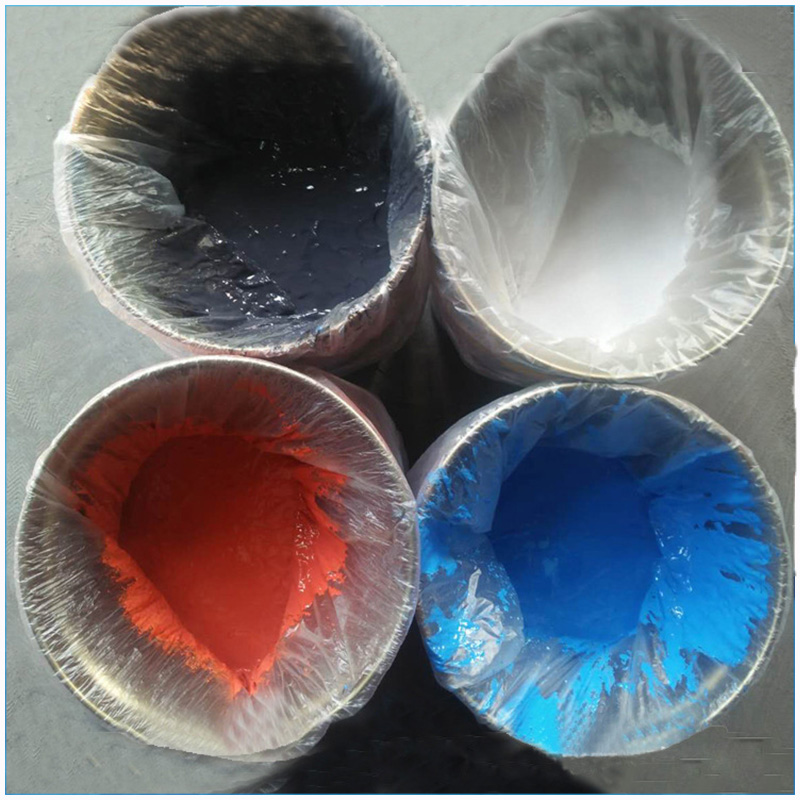
Choosing the right waterproofing material is an important part of protecting buildings against moisture. For construction projects involving concrete walls, masonry surfaces, foundations, and underground structures, Solvent-Based Waterproof Coating can be a practical option when its formulation matches the substrate and working conditions. Unlike sheet materials that cover a surface, a liquid coating can be applied to different shapes and construction details, making it useful for areas that require careful treatment.
A Solvent-Based Waterproof Coating uses an organic solvent as its carrier. Depending on the product formulation, the active components interact with the prepared substrate and form a protective waterproofing layer or internal moisture barrier. The exact working mechanism depends on the selected grade. Standard formulations are designed for adhesion to concrete, masonry, and metal, while high-penetration formulations are intended for porous materials that can absorb the coating.
For buyers sourcing from Chinese manufacturers, understanding these differences is more useful than comparing products by price alone. The substrate, exposure conditions, application method, and project design should all be considered before selecting a Solvent-Based Waterproof Coating. A suitable product should also have technical documentation that clearly explains its intended applications and limitations.
DT Waterproof provides solvent and oil-based waterproof coating options for different construction requirements. The standard-grade Solvent-Based Waterproof Coating is designed for applications involving concrete, masonry, and metal. Its product description highlights strong adhesion and fast curing, with applications including exterior walls, foundations, and underground structures. The product is supplied in 20kg buckets, with a minimum order quantity of 1 ton. CE and ISO 14001 certifications are listed on the product page.
The high-penetration grade serves a different purpose. Its low-viscosity formulation is designed to penetrate porous concrete, brick, and stone, with a stated penetration depth of 5–20mm. Rather than relying only on a protective layer on the outer surface, this Solvent-Based Waterproof Coating is intended to seal moisture pathways within the substrate. This makes it relevant to weathered masonry, aged concrete, and other absorbent building materials.
The distinction between these grades matters during product selection. Standard-grade material may be more appropriate when adhesion to relatively dense concrete or metal is the main requirement. High-penetration material should be considered when the substrate has an open pore structure and requires internal sealing. Buyers should confirm the exact grade, technical data sheet, and intended application before placing an order. The performance characteristics of one grade should never be assumed to apply to the other.
Exterior walls are one application area for Solvent-Based Waterproof Coating. Concrete and masonry facades are regularly exposed to rainfall, changing temperatures, and environmental moisture. Selecting a coating with suitable substrate adhesion can help protect these surfaces as part of a properly designed waterproofing system. Before application, contractors should inspect the wall for loose material, dust, oil, cracks, and other conditions that may affect bonding.
Foundations and underground structures require a different level of planning. Basement walls and foundation surfaces may experience persistent moisture from surrounding soil. In these situations, the coating must be selected according to the project design, substrate condition, and expected water exposure. A Solvent-Based Waterproof Coating may form part of the specified waterproofing system, but it should not automatically replace drainage provisions, joint treatments, protection layers, or other structural waterproofing measures.
Metal surfaces are another application identified for DT's standard-grade product. When concrete, masonry, and metal occur within the same project, selecting compatible coating materials can simplify material planning. However, metal preparation, surface contamination, corrosion conditions, and compatibility with existing finishes should be checked before work begins. Product suitability should always be confirmed against the manufacturer's technical instructions rather than assumed from the general product category.
For porous and weathered surfaces, the high-penetration Solvent-Based Waterproof Coating provides another selection option. Brick, stone, and aged concrete can contain interconnected pores that allow moisture to enter. A penetrating formulation is intended to reach these internal spaces and reduce moisture movement through the treated material. The actual result depends on substrate absorption, surface preparation, and correct application.
Successful waterproofing depends on both material selection and site preparation. Before applying a Solvent-Based Waterproof Coating, contractors should check whether the substrate is structurally sound and suitable for treatment. Dust, loose particles, oil, and incompatible residues should be removed according to the product instructions. Cracks, holes, and damaged areas may require separate repairs before the coating work begins.
Application conditions also need attention. Solvent-based products may release vapors during application, so suitable ventilation, personal protective equipment, and ignition-source controls are important. Workers should consult the product safety data sheet and follow local construction safety requirements. Temperature, substrate moisture, coating consumption, curing time, and recoat intervals should be taken from the technical documents for the exact product grade.
Quality inspection should cover more than the appearance of the finished surface. Contractors should record the product name, batch identification, application area, preparation process, and inspection results. Where a project requires a specific waterproofing performance level, the relevant test reports and technical documents should be reviewed before procurement. A Solvent-Based Waterproof Coating should be evaluated according to verified product information, not assumptions based on similar materials.
For distributors and contractors purchasing from China, sample assessment can also support product evaluation. A representative sample allows buyers to review packaging, appearance, handling characteristics, and compatibility with the intended substrate. However, sample inspection does not replace formal testing or project-specific approval where these are required.
When sourcing Solvent-Based Waterproof Coating from China, buyers should evaluate manufacturing information, product documentation, packaging, and supply arrangements together. A supplier should be able to identify the exact product grade and provide relevant technical information. Buyers should check that the product description, quotation, sample, and technical data sheet refer to the same material.
DT Waterproof, supplied by Shandong Dingtai Waterproof Technology Co., Ltd., offers waterproofing materials including asphalt membranes, polymer waterproof membranes, waterproof coatings, waterproof tapes, and geotechnical materials. Its solvent and oil-based waterproof coating range includes standard and high-penetration options for different substrate conditions. This product range allows buyers to discuss their project requirements with the manufacturer before deciding which grade is appropriate.
The standard-grade Solvent-Based Waterproof Coating is supplied in 20kg buckets, with a stated minimum order quantity of 1 ton. CE and ISO 14001 certifications are listed for the product. For bulk purchasing, buyers should confirm the current certificate documents, product availability, packaging details, delivery arrangements, and any destination-market requirements before signing a purchase agreement.
A careful purchasing process should include a clear project brief, product-grade confirmation, technical document review, sample evaluation where appropriate, and written agreement on delivery and inspection requirements. By following these steps, contractors, importers, and distributors can make a more informed decision when selecting Solvent-Based Waterproof Coating for building protection projects.
The standard-grade product listed by DT Waterproof is intended for concrete, masonry, and metal. Its high-penetration grade is designed for porous concrete, brick, and stone. The correct choice depends on the substrate and project conditions.
Standard grade focuses on adhesion and applications involving concrete, masonry, and metal. High-penetration grade uses a low-viscosity formulation designed to penetrate porous materials to a stated depth of 5–20mm.
Buyers should confirm the product grade, intended application, technical data sheet, safety information, certification documents, packaging, minimum order quantity, and delivery arrangements. Samples and relevant test documents can also support product evaluation.

2026/11/20
How an APP waterproof membrane handles heat: 130°C softening point, torch application windows, overheating signs, summer storage, and thermal aging checks.

2026/11/20
The science of a breathable waterproof membrane: water vapor diffusion, Sd values, three grammage grades, water column resistance, and wrong-use cases.

2026/11/20
Single-ply or two-ply, every flat roof is a stack. See how a self adhesive waterproof membrane for roof systems handles base, cap, insulation and drains.

2026/11/20
How the polyester scrim sets tensile strength and dimensional stability of reinforced TPO membrane rolls, with welding, roll sizes and selection tips.

2026/11/20
How an aluminum foil coated bitumen waterproof membrane reflects solar radiation, lowers surface temperature, and what maintenance keeps savings alive.

2026/11/20
SBS modified bitumen waterproof membrane property groups: tensile strength, low-temperature flexibility, heat resistance, surface finishes, applications.
Links to the corresponding full news page.

The eight questions overseas buyers ask most — factory ownership, capacity, batch consistency and lead times, answered straight.

SBS membranes, polymer sheets, coatings and geomembranes — six product lines are operating simultaneously.

Pre-sales specification, on-site technical support and post-delivery maintenance across 100+ export markets.

Waterproofing performance is decided in the specification and the detailing, not just the material. Our technical team helps you select the right system, resolve site questions as they arise, and stay reachable long after the container lands.
