 EN
APP Waterproof Membrane: High-Temperature Stability Guide
2026/11/20
How an APP waterproof membrane handles heat: 130°C softening point, torch application windows, overheating signs, summer storage, and thermal aging checks.

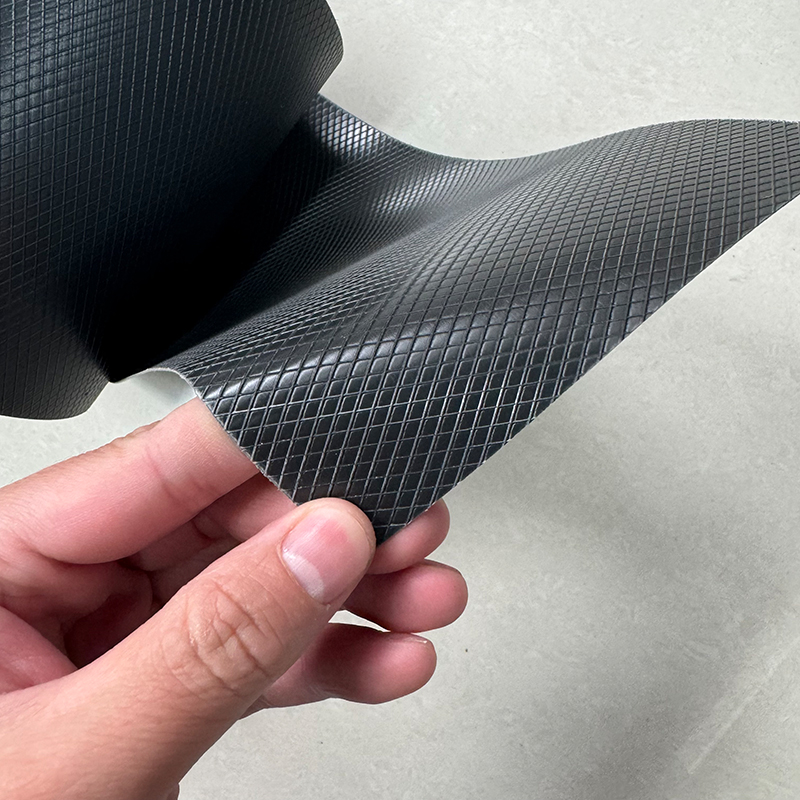
Sourcing Bituminous DPC Rolls for wholesale distribution begins with a basic but important question: does the project actually require a bitumen-based waterproofing membrane, or does it specify a damp proof course made from plastic? DPC means damp proof course, a barrier used to help limit moisture movement through building elements. Although both products may be supplied in rolls, their composition, intended use, and installation requirements can differ significantly.
DT Waterproof lists bitumen waterproof membranes and polymer-based damp proof course products separately. Its published DPC range includes LDPE, HDPE, and polypropylene-reinforced options. Buyers searching for Bituminous DPC Rolls should therefore confirm the requested material with the designer, contractor, or purchasing specification before asking a supplier to quote. A product title in an enquiry is not a substitute for an approved material description.
For example, a distributor may receive an order request that uses “bituminous DPC” as a general term, while the construction schedule calls for a polymer DPC strip in a masonry wall. If the supplier quotes based only on the enquiry title, the resulting order may not match the project. Confirming the product identity at the start helps prevent unsuitable substitutions, quotation revisions, and disputes after delivery.
A suitable supplier should be able to explain what material is being offered, which applications it is intended for, and what documentation is available. When evaluating Bituminous DPC Rolls, ask for a clear product name, material description, intended application, and technical data sheet. If the supplier offers both bitumen membranes and polymer DPC products, request separate descriptions and quotations so that different materials are not compared as if they were equivalent.
The product range can also indicate whether the supplier is equipped to support the broader purchasing requirement. DT Waterproof publishes several waterproofing categories, including asphalt membranes, polymer membranes, waterproof coatings, tapes, and geotechnical materials. This range may be relevant to buyers coordinating several material types, but each item still needs its own application and specification review. A wide catalogue alone does not prove that a particular product meets a project requirement.
For bulk sourcing, discuss available product formats, order quantities, packaging, supply schedules, sample procedures, and the process for confirming specifications before dispatch. Do not assume that every option shown in a catalogue is immediately available in the quantity required. Written confirmation helps both parties align the quotation with the actual order and gives the purchasing team a record to use when reviewing delivery.
Technical documents should describe the exact product being purchased. Depending on the project, the document package may include a technical data sheet, installation instructions, test reports, product identification details, and applicable conformity documents. Buyers considering Bituminous DPC Rolls should check that the documents identify the material and intended use clearly. General claims such as “waterproof,” “high performance,” or “suitable for construction” do not replace product-specific evidence.
Standards must also be checked within their stated scope. For example, BS EN 14909 relates to flexible plastic and rubber sheets used as damp proof courses in buildings. It should not automatically be treated as proof that a bitumen-based membrane complies with the same requirements. Similarly, a standard or test report relevant to one membrane type may not apply to another. Ask the supplier to identify the standard cited for the selected product and confirm that it matches the project specification.
A practical document review compares the quotation, technical data sheet, product label, and required project specification. Material names, dimensions, application descriptions, and any stated performance values should be consistent. If a required report is missing or the documents appear to describe different products, ask for clarification before placing the order. Keeping this review in the purchasing file makes later technical checks more transparent and easier to trace.
The lowest price is useful only when the quoted products meet the same requirements. Before comparing prices for Bituminous DPC Rolls, confirm that each supplier is quoting the same material category, dimensions, roll format, quantity, packaging, and delivery terms. A quotation for a polymer DPC should not be compared directly with one for a bitumen waterproof membrane without first confirming that both satisfy the approved specification.
Total procurement cost includes more than the unit price. Consider freight, packaging, import duties where applicable, storage, inspection, and any project-specific handling requirements. Quantity calculations should follow approved drawings, measured dimensions, product format, and manufacturer guidance. Allowances for cutting and overlaps should reflect the selected system rather than a universal estimate. These checks help buyers compare the actual cost of fulfilling the project requirement.
For repeat wholesale orders, distinguish regular stock items from materials purchased for a specific project. Ask about minimum order quantities, production or dispatch schedules, sample availability, shipment consolidation, and procedures for handling changes to the order. Confirm responsibilities for transport and customs clearance where relevant. Written terms reduce uncertainty and make it easier to assess whether the supplier can meet the requested delivery schedule.
Supplier evaluation should continue through dispatch and delivery. Before shipment, agree on what will be checked, such as product identification, roll dimensions, quantities, packaging condition, labels, and required documents. Where samples or pre-shipment inspections are needed, confirm the procedure and acceptance criteria in writing. A sample can support an initial review, but it does not replace formal testing or project approval where those are required.
When Bituminous DPC Rolls arrive, compare the shipment with the approved purchase order and technical documents. Record damaged packaging, missing quantities, inconsistent labels, or absent paperwork before distributing the goods. Retain batch numbers or production references when available. If the material delivered does not match the agreed description, pause its allocation and request written clarification rather than assuming that a similar appearance means the products are interchangeable.
A traceable purchasing file should connect the original specification, supplier quotation, approved technical documents, purchase order, delivery records, and any discrepancy reports. This is particularly useful when a bulk shipment is divided among several contractors or sites. By checking material identity, documentation, commercial terms, and delivery consistency, buyers can make more informed sourcing decisions for Bituminous DPC Rolls while reducing avoidable procurement errors.
No. They are different material categories and may have different applications and installation requirements. Always confirm the material specified for the project before ordering.
Request the product-specific technical data sheet, installation instructions, relevant test reports, identification details, and any conformity documents required by the project. Check that the documents match the product quoted.
Confirm the material type, intended application, dimensions, quantity, packaging, delivery schedule, technical documentation, and acceptance procedure. If the term “Bituminous DPC Rolls” is unclear in the project specification, obtain written confirmation before approving the order.

2026/11/20
How an APP waterproof membrane handles heat: 130°C softening point, torch application windows, overheating signs, summer storage, and thermal aging checks.

2026/11/20
The science of a breathable waterproof membrane: water vapor diffusion, Sd values, three grammage grades, water column resistance, and wrong-use cases.

2026/11/20
Single-ply or two-ply, every flat roof is a stack. See how a self adhesive waterproof membrane for roof systems handles base, cap, insulation and drains.

2026/11/20
How the polyester scrim sets tensile strength and dimensional stability of reinforced TPO membrane rolls, with welding, roll sizes and selection tips.

2026/11/20
How an aluminum foil coated bitumen waterproof membrane reflects solar radiation, lowers surface temperature, and what maintenance keeps savings alive.

2026/11/20
SBS modified bitumen waterproof membrane property groups: tensile strength, low-temperature flexibility, heat resistance, surface finishes, applications.
Links to the corresponding full news page.

The eight questions overseas buyers ask most — factory ownership, capacity, batch consistency and lead times, answered straight.

SBS membranes, polymer sheets, coatings and geomembranes — six product lines are operating simultaneously.

Pre-sales specification, on-site technical support and post-delivery maintenance across 100+ export markets.

Waterproofing performance is decided in the specification and the detailing, not just the material. Our technical team helps you select the right system, resolve site questions as they arise, and stay reachable long after the container lands.
