 EN
APP Waterproof Membrane: High-Temperature Stability Guide
2026/11/20
How an APP waterproof membrane handles heat: 130°C softening point, torch application windows, overheating signs, summer storage, and thermal aging checks.

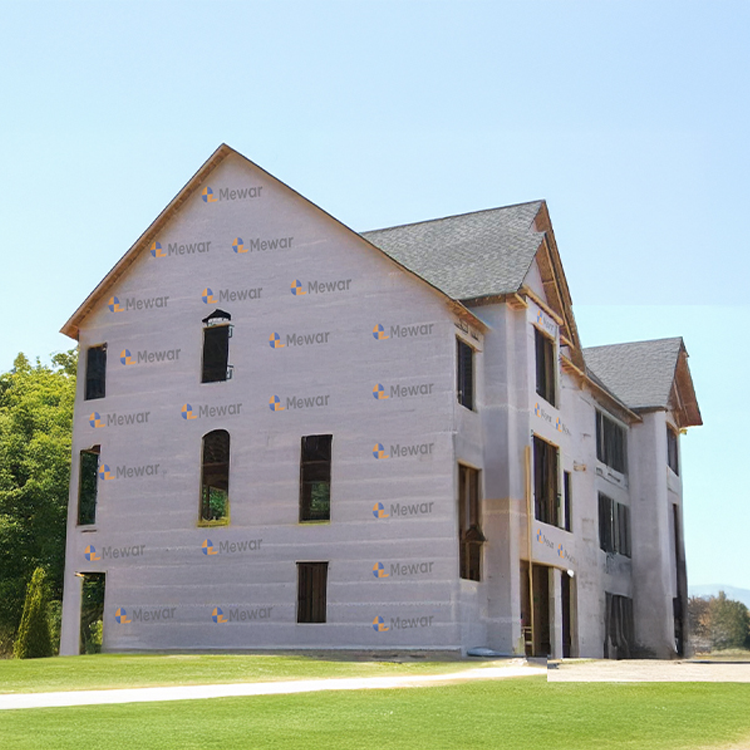
Managing moisture inside modern commercial and residential buildings requires much more than simply sealing the exterior shell with an airtight plastic sheet. Over years of supplying functional building envelope materials for steel structure warehouses, timber-frame roofs, and insulated curtain walls, our engineering team has inspected numerous roofs where trapped indoor humidity caused severe condensation, rotting timber, and soaked thermal insulation. When project architects apply the correct Vapor-Permeable Breathable Waterproof Membrane: Spec to the cold side of the insulation layer, they solve this hidden condensation crisis permanently . Unlike conventional waterproof barriers that trap interior steam inside the wall cavity, a properly engineered breathable membrane acts like high-performance outdoor sportswear for a building . In our real-world project support across coastal and high-humidity climate zones, installing a genuine Vapor-Permeable Breathable Waterproof Membrane: Spec beneath metal roofing panels or exterior wall cladding keeps driving rain out while allowing damp structural air to escape naturally into the atmosphere .
Understanding how a Vapor-Permeable Breathable Waterproof Membrane: Spec achieves one-way moisture control is straightforward once you look at its three-layer composite structure and the natural physics of water. During our factory manufacturing process, two outer layers of high-strength polypropylene spunbond non-woven fabric are thermally laminated around a specialized functional polyethylene microporous film core . You can picture the outer non-woven layers as durable armor that provides tear resistance, tensile strength, and surface protection against rough roof battens or construction foot traffic . Meanwhile, the middle polymeric film contains microscopic pathways that take advantage of the vast size difference between external raindrops and internal water vapor gas . Because liquid water droplets are held together by surface tension, they are far too large to squeeze through the tiny pores of the Vapor-Permeable Breathable Waterproof Membrane: Spec barrier . However, individual water vapor molecules rising from indoor heating or damp concrete are microscopic enough to diffuse outward effortlessly, keeping the underlying glass wool or rock wool insulation completely dry and thermally efficient .
Even the most advanced Vapor-Permeable Breathable Waterproof Membrane: Spec will underperform if contractors overlook basic installation mechanics on the job site . When laying the membrane across sloped roofs or wrapping structural wall studs, installers should unroll the sheet horizontally from the bottom eaves upward, ensuring that every upper layer overlaps the lower layer in the natural direction of water drainage. The membrane is placed directly over the thermal insulation or structural sheathing on the exterior side, secured tightly with corrosion-resistant fasteners and counter-battens so wind cannot cause the sheet to flutter. Every horizontal and vertical overlap, as well as penetrations around chimneys, ventilation ducts, and roof skylights, must be sealed using compatible butyl or acrylic sealing tapes from the same waterproofing system. Following a strict Vapor-Permeable Breathable Waterproof Membrane: Spec installation protocol also means scheduling the final roof tile or metal cladding coverage promptly, ensuring that the membrane is not left exposed to harsh construction abuse beyond its intended weather-exposure window.
International building science organizations and structural energy codes universally recognize that dry insulation is the foundation of an energy-efficient structure . Building envelope specialists point out that when fibrous insulation absorbs even a small percentage of moisture from indoor condensation, its thermal resistance drops sharply, forcing heating and cooling systems to consume far more electricity. By integrating a verified Vapor-Permeable Breathable Waterproof Membrane: Spec into the exterior assembly, civil engineers create a continuous windproof and watertight shield that prevents cold outdoor air from washing through the insulation blanket . Furthermore, authoritative construction standards emphasize the clear distinction between an interior vapor control layer and an exterior breather membrane . While an interior vapor barrier sits on the warm side of the room to limit steam entry, the exterior Vapor-Permeable Breathable Waterproof Membrane: Spec sits on the outer side to guarantee that any moisture already inside the assembly can dry outward without forming mold, mildew, or structural steel corrosion .
Selecting a reliable Vapor-Permeable Breathable Waterproof Membrane: Spec directly from an established waterproof material manufacturer protects contractors and property owners from the hidden dangers of inferior lamination . In the construction supply market, low-grade imitations often bond non-woven fabrics using cheap hot-melt glues that clog the microscopic pores, block vapor transmission, and delaminate quickly under high summer roof temperatures . Our factory production utilizes advanced thermal lamination and strict raw material inspection to ensure that the microporous core remains completely open, uniform, and permanently bonded across every roll. Depending on specific architectural requirements across sloped tile roofs, light steel industrial plants, or ventilated stone facades, specifiers can customize roll widths, fabric weights, and complimentary waterproof tapes or damp proof course accessories within our product portfolio . Partnering with a transparent manufacturer for your Vapor-Permeable Breathable Waterproof Membrane: Spec requirements ensures consistent weather resistance, healthier indoor air quality, and decades of maintenance-free structural protection .
A Vapor-Permeable Breathable Waterproof Membrane: Spec is always installed on the exterior, cold side of the thermal insulation layer, directly beneath the outer roof tiles, metal sheets, or exterior wall cladding . Placing it on the outside allows it to block wind-driven rain or snow that blows past the outer siding while giving internal moisture vapor a clear path to evaporate outward into the ventilated air gap .
Although both materials manage moisture, they perform opposite jobs in different locations . A Vapor-Permeable Breathable Waterproof Membrane: Spec has high vapor permeability and goes on the outside of the insulation to let trapped dampness escape . A traditional vapor barrier or damp proof membrane has very low permeability and is installed on the warm interior side of the insulation or under concrete slabs to stop indoor humidity from entering the wall cavity in the first place .
Contractors can verify a genuine Vapor-Permeable Breathable Waterproof Membrane: Spec by checking its peel strength under warm conditions and inspecting its breathability consistency . Glue-laminated imitations often feel stiff, smell of chemical adhesives, and easily separate into loose layers when exposed to heat or hot water, whereas thermally laminated polypropylene and polyethylene composites remain strongly bonded and flexible even under intense roof heat .

2026/11/20
How an APP waterproof membrane handles heat: 130°C softening point, torch application windows, overheating signs, summer storage, and thermal aging checks.

2026/11/20
The science of a breathable waterproof membrane: water vapor diffusion, Sd values, three grammage grades, water column resistance, and wrong-use cases.

2026/11/20
Single-ply or two-ply, every flat roof is a stack. See how a self adhesive waterproof membrane for roof systems handles base, cap, insulation and drains.

2026/11/20
How the polyester scrim sets tensile strength and dimensional stability of reinforced TPO membrane rolls, with welding, roll sizes and selection tips.

2026/11/20
How an aluminum foil coated bitumen waterproof membrane reflects solar radiation, lowers surface temperature, and what maintenance keeps savings alive.

2026/11/20
SBS modified bitumen waterproof membrane property groups: tensile strength, low-temperature flexibility, heat resistance, surface finishes, applications.
Links to the corresponding full news page.

The eight questions overseas buyers ask most — factory ownership, capacity, batch consistency and lead times, answered straight.

SBS membranes, polymer sheets, coatings and geomembranes — six product lines are operating simultaneously.

Pre-sales specification, on-site technical support and post-delivery maintenance across 100+ export markets.

Waterproofing performance is decided in the specification and the detailing, not just the material. Our technical team helps you select the right system, resolve site questions as they arise, and stay reachable long after the container lands.
