
 EN
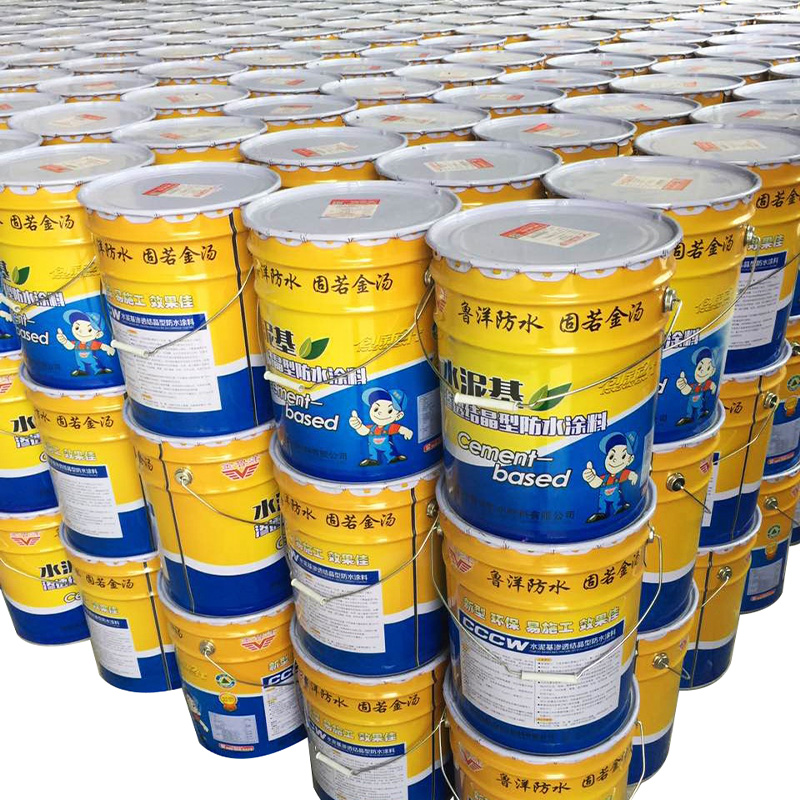
Introduction to Sourcing Water-Based Coatings
In modern global construction and facility management, selecting reliable water-based coating suppliers has become a pivotal strategic decision for engineers, main contractors, commercial developers, and regional distributors. Based on extensive on-site installation experience, real-world project performance tracking, and rigorous laboratory evaluations across diverse climatic regions, high-performance water-based formulations—particularly polymer cement-based flexible waterproof coatings and acrylic transparent liquid membranes—offer unmatched environmental and structural protection benefits. Unlike traditional solvent-heavy waterproofing products, advanced water-based systems produce zero toxic chemical emissions during application, demonstrate outstanding membrane breathability to prevent trapped substrate moisture blistering, and provide resilient long-term movement capability over concrete slabs, masonry walls, and existing tile surfaces. Partnering directly with a certified China waterproofing manufacturer gives international buyers a distinct competitive advantage by delivering fully compliant, highly durable material systems tailored for both interior bathroom sub-floors and massive commercial infrastructure project roofs.
Technical Expertise and Product Quality Metrics
Achieving true manufacturing excellence in protective coatings requires deep technical expertise, high-purity synthetic polymer emulsions, and strict adherence to global quality standards such as ISO9001 quality management and international CE certification requirements. When technical procurement managers evaluate a prospective China waterproofing manufacturer, they must look beyond surface-level marketing claims and closely analyze specific physical performance parameters detailed in validated technical material data sheets and official laboratory test reports. Critical technical parameters include solid content percentage, tensile strength capacity, ultimate elongation rate, and resistance to continuous hydrostatic pressure. Modern manufacturing facilities utilize fully automated batching systems and multi-tier quality assurance controls, rigorously testing every production lot for viscosity consistency, thermal stability across extreme high-temperature exposure and freezing freeze-thaw conditions, as well as prolonged immersion durability. This technical rigor ensures that every twenty-kilogram pail or bulk container delivers uncompromised waterproofing protection under demanding job site conditions.
Field Application Guidelines and Site Management
The ultimate real-world success of any protective membrane system relies equally on continuous liquid formulation quality and meticulous field execution practices. Practical application experience consistently demonstrates that proper surface preparation is the single most important factor determining interfacial adhesion strength and long-term waterproofing performance. Substrates across flat roofs, residential balconies, exterior walls, podium decks, and basement retaining walls must be thoroughly cleaned of dust, loose concrete particles, oil contaminants, grease residues, and curing compounds prior to liquid membrane application. Utilizing advanced polymer waterproof coating solutions allows professional installation teams to work efficiently using standard masonry brushes, heavy-duty rollers, or high-pressure airless spray machinery. To achieve optimal material performance and seamless membrane thickness, workers must apply the coating in multiple uniform passes using a cross-hatching application method while allowing sufficient drying intervals between consecutive layers. Pre-wetting dry porous concrete substrates to a saturated surface-dry condition prevents rapid water absorption from the wet slurry, thereby securing deep mechanical keying and preventing micro-cracking or pinhole formation.
Supply Chain Trustworthiness and Global Compliance
Building successful long-term international trade partnerships requires transparent technical documentation, predictable shipping schedules, and unyielding batch-to-batch product consistency. Strict environmental regulations across European, North American, and Asian markets increasingly limit the use of volatile organic compounds and hazardous chemical additives in residential and commercial building products. Reputable water-based coating suppliers address these stringent regulatory demands by maintaining complete raw material traceability, supplying verified third-party laboratory safety test certificates, and offering customized private label packaging for international distribution networks. Furthermore, direct technical communication with factory chemical engineers enables contractors to receive customized formula modifications designed for specific regional microclimates, such as tropical high-humidity environments or severe alpine freeze-thaw cycles. By establishing verified supply chains with an experienced China waterproofing manufacturer, global importers and project engineering teams effectively lower regulatory compliance risks, optimize overall material procurement budgets, and construct highly durable, eco-friendly structures designed for long-term service life.
Frequently Asked Questions (FAQ)
What are the primary advantages of water-based coatings compared to solvent-based systems?
Water-based coatings offer ultra-low VOC emissions, non-toxic chemical properties, excellent substrate breathability, and quick water cleanup. They eliminate fire hazards during indoor transport, storage, and application, making them significantly safer for enclosed structural spaces like basements, kitchens, and bathrooms while providing equal long-term waterproofing durability.
How can international buyers verify the product quality of a Chinese waterproofing manufacturer?
Buyers should carefully inspect official Technical Data Sheets for key parameters including solid content percentage, tensile strength, and elongation performance. Requesting verified third-party laboratory test certificates such as CE or ISO standards, conducting comprehensive factory audits, and executing field application sample tests on representative job site substrates are essential verification steps.
What surface preparation steps are required before applying a polymer waterproof coating?
The underlying substrate surface must be structurally sound, dry or damp, clean, and completely free of dust, oil, grease, paint, and loose particles. All structural cracks or wall joints should be repaired with specialized mortar first. For porous concrete surfaces, pre-dampening the substrate to a saturated surface-dry state ensures optimal bond adhesion and prevents rapid moisture loss during application.










