 EN
APP Waterproof Membrane: High-Temperature Stability Guide
2026/11/20
How an APP waterproof membrane handles heat: 130°C softening point, torch application windows, overheating signs, summer storage, and thermal aging checks.

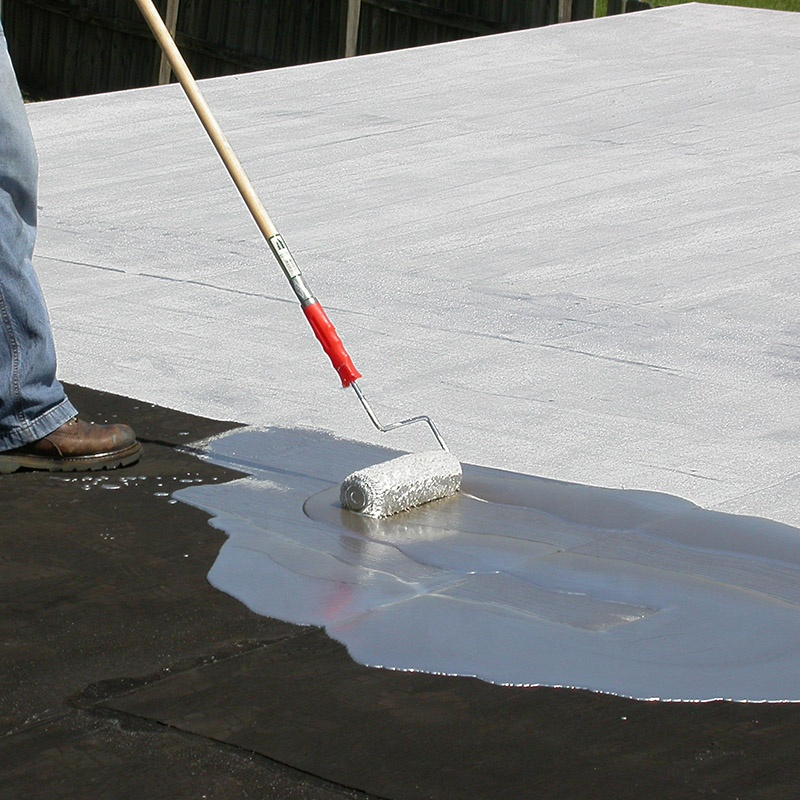
Brick, concrete block, and render walls absorb water like a sponge, and capillary action pulls it deeper with every wet season. A water based silicone coating attacks the problem at the surface while letting the wall breathe. This guide lays out the mechanism, the real numbers, and the practice.
Masonry is porous by design. Rain wicks into pores and microcracks by capillary suction, dissolved salts travel inward and crystallise at the surface as efflorescence, and freeze-thaw cycles expand the damage. Sealing with a totally impermeable film — the opposite of a silicone waterproof coating — can backfire, because trapped moisture still needs an escape route: peeling, blistering, and spalling follow. Effective masonry waterproofing therefore has two requirements that pull in opposite directions: stop liquid water entering from outside, and let water vapour escape from inside. Any breathable waterproof coating aimed at walls must satisfy both, that requirement shapes every decision below.
The product is a single-component emulsion of silicone polymers in water. Brushed, rolled, or sprayed onto the wall, it deposits an elastomeric film as the water evaporates. Silicone chemistry brings three traits that suit masonry. The film is highly hydrophobic, so rain beads off instead of soaking in. It stays elastic across temperature swings, so daily wall movement does not split the film of a breathable waterproof coating. And the cured film remains vapour-permeable, which distinguishes a genuine silicone waterproof coating from a plastic film that merely traps moisture behind a shine. Site handling stays simple for a water based silicone coating: mild odour, water cleanup, no solvent storage concerns.
Cracks are where walls fail first, so on any elastomeric coating datasheet, elasticity and crack bridging sit at the top of the checklist, before everything else. The manufacturer's high-elasticity silicone waterproof coating page specifies solid content of at least 58%, elongation at break of at least 350%, tensile strength of at least 1.0 MPa, and crack bridging capacity up to 2 mm of active crack width, with water tightness tested at 0.3 MPa for 30 minutes. Application rate is 0.4–0.6 kg/m² per coat, packaging is a 20 kg bucket, minimum order is 1 ton, and certification covers CE and ISO 14001. For comparison, the standard-grade silicone waterproof coating page — the simpler breathable waterproof coating option — lists a water repellency contact angle of at least 130°, elongation of at least 150%, and 0.3–0.5 kg/m² per coat. Read together, they frame what a water based silicone coating can do: the elastic grade for cracked walls, the standard grade for sound walls needing only rain rejection — the core masonry waterproofing choice between two silicone waterproof coating grades.
Preparation is decisive. Clean off dust, algae, and loose paint; repair crumbling joints and cracks wider than the film's bridging range; dampen porous surfaces on hot days so the emulsion does not skin. Apply the first coat at the stated rate, working the water based silicone coating into pores and texture, not just onto the surface. Recoat crosswise once touch-dry. Coverage is straightforward: at 0.4–0.6 kg/m² per coat, a 20 kg bucket covers roughly 33 to 50 square metres per coat for this breathable waterproof coating; add margin for rough render, which drinks more than smooth concrete — the classic masonry waterproofing variable. For active movement zones, add a third coat or a mesh-embedded first coat over the crack line — standard practice for a water based silicone coating on cracked masonry.
Wall waterproofing offers a spectrum, and position matters. Transparent penetrating sealers preserve appearance but add little elasticity; cement-based renders block water but stay rigid; acrylic films are elastic but less vapour-open. A silicone waterproof coating occupies the middle ground: elastic, hydrophobic, and breathable at once, which suits exterior walls, parapets, and already-cracked surfaces. This is also where a breathable waterproof coating earns its name — real masonry waterproofing for heritage and occupied buildings, where moisture inside the wall leaves as vapour while rain stays outside. Picture a facilities manager at a coastal apartment block facing recurring damp patches on west-facing brick walls: re-rendering means scaffolding twice, while re-coating with a water based silicone coating restores protection between tenancies with one scaffold cycle.
Buyers should lock down four points before ordering any silicone waterproof coating: which grade matches the wall condition, real coverage for the chosen grade on the actual substrate, the certified test values behind the claims, and documentation — CE, test reports, batch traceability. Shandong Dingtai Waterproof supplies both grades with export documentation and factory-direct terms. When comparing quotations for masonry waterproofing, line up the same parameters side by side; a breathable waterproof coating quoted without elongation, crack bridging, and water tightness figures is a price without a product behind it. Sample on the actual wall before committing volumes.
Most grades leave a low-sheen film in white, grey, or custom tones; transparent variants exist separately. Always view a cured sample on the actual substrate, since absorbency affects final sheen on any masonry waterproofing job.
Service life depends on exposure, film build, and preparation, not promises. Correctly applied with sound detailing, a water based silicone coating serves for years before recoating; inspect annually and after storms.
It helps where moisture enters from outside, but it will not solve rising damp or condensation, which need other measures. Diagnose the water source first, then choose masonry waterproofing accordingly.

2026/11/20
How an APP waterproof membrane handles heat: 130°C softening point, torch application windows, overheating signs, summer storage, and thermal aging checks.

2026/11/20
The science of a breathable waterproof membrane: water vapor diffusion, Sd values, three grammage grades, water column resistance, and wrong-use cases.

2026/11/20
Single-ply or two-ply, every flat roof is a stack. See how a self adhesive waterproof membrane for roof systems handles base, cap, insulation and drains.

2026/11/20
How the polyester scrim sets tensile strength and dimensional stability of reinforced TPO membrane rolls, with welding, roll sizes and selection tips.

2026/11/20
How an aluminum foil coated bitumen waterproof membrane reflects solar radiation, lowers surface temperature, and what maintenance keeps savings alive.

2026/11/20
SBS modified bitumen waterproof membrane property groups: tensile strength, low-temperature flexibility, heat resistance, surface finishes, applications.
Links to the corresponding full news page.

The eight questions overseas buyers ask most — factory ownership, capacity, batch consistency and lead times, answered straight.

SBS membranes, polymer sheets, coatings and geomembranes — six product lines are operating simultaneously.

Pre-sales specification, on-site technical support and post-delivery maintenance across 100+ export markets.

Waterproofing performance is decided in the specification and the detailing, not just the material. Our technical team helps you select the right system, resolve site questions as they arise, and stay reachable long after the container lands.
