 EN
APP Waterproof Membrane: High-Temperature Stability Guide
2026/11/20
How an APP waterproof membrane handles heat: 130°C softening point, torch application windows, overheating signs, summer storage, and thermal aging checks.

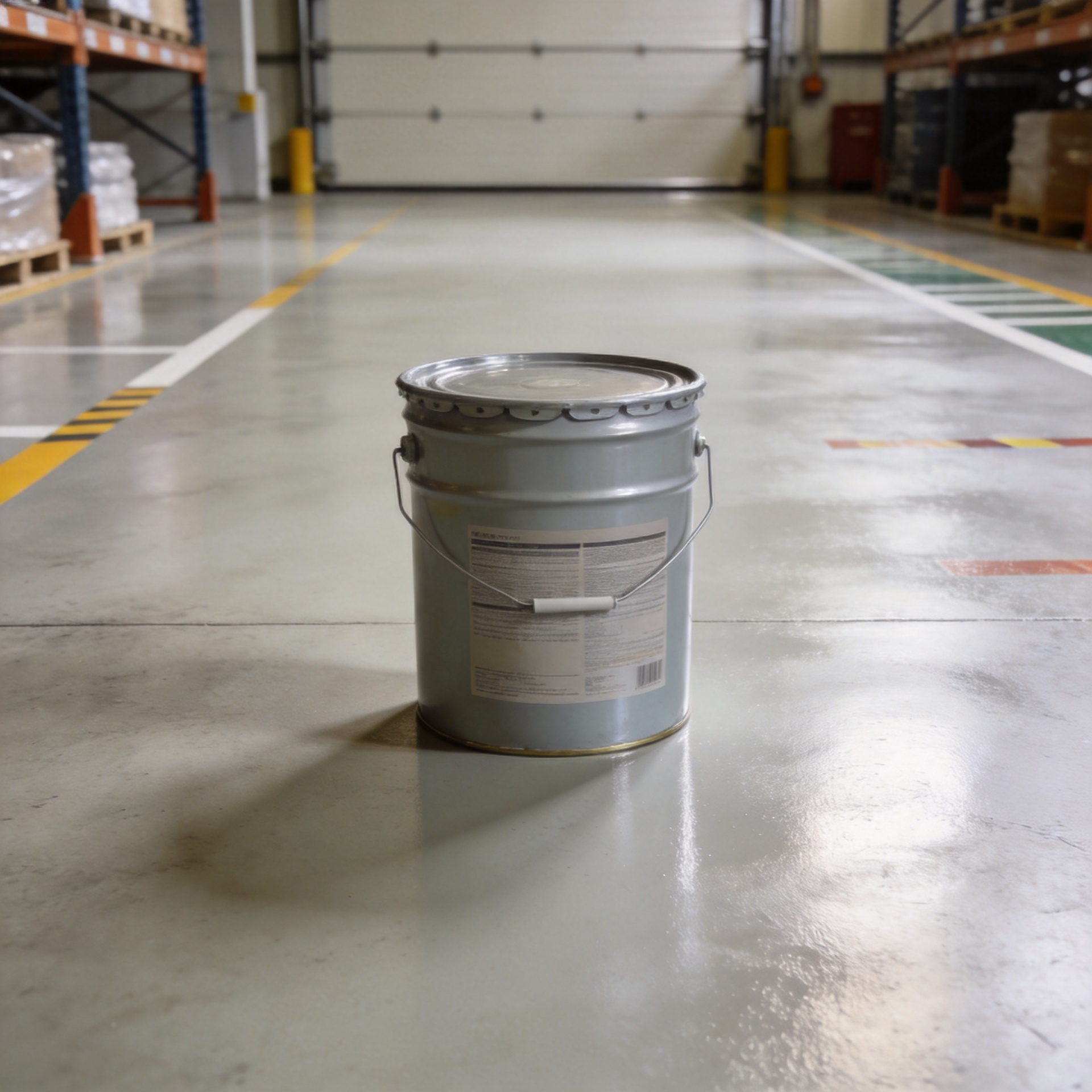
Modern industrial facilities, commercial warehousing complexes, and residential garage environments demand durable flooring solutions capable of enduring continuous heavy foot traffic and mechanical abrasion. For many years, traditional solvent-based epoxy coatings held a dominant position in the industrial flooring market due to their dense structural surface and high hardness. However, these legacy formulations emitted elevated levels of volatile organic compounds, producing strong chemical odors that often forced complete operational shutdowns during site application. Implementing high-performance Waterborne Epoxy Floor Paint successfully resolves these combined environmental, health, and logistical challenges by utilizing water as its primary carrier medium instead of hazardous chemical solvents. Industrial field quality audits consistently confirm that water-based formulations dramatically enhance indoor air quality while eliminating toxic chemical fumes during the application process. Facility managers can now execute comprehensive floor coating upgrades inside fully operational buildings without disturbing neighboring work teams, compromising product safety, or endangering indoor air quality. Adopting eco-friendly, water-based floor finishes represents an essential strategic upgrade for modern sustainable infrastructure and green building design.
Examining the core chemistry of Waterborne Epoxy Floor Paint explains its remarkable structural durability across challenging concrete floor substrates. Unlike traditional solvent-borne alternatives that cure into an impermeable, rigid plastic barrier that traps hydrostatic moisture beneath the slab surface, advanced waterborne epoxy resin crosslinks to create a breathable micro-porous matrix. This unique vapor-permeable structure allows subterranean ground moisture vapor to escape freely from the underlying concrete slab without generating internal hydraulic pressure. Consequently, the cured coating avoids common failure modes such as surface blistering, pinhole bubbling, and premature adhesion loss over damp concrete. Furthermore, the cured finish provides high mechanical impact resistance, superior abrasion defense against rolling wheel loads, and strong chemical barrier protection against daily oil, grease, and industrial fluid spills. By combining water-based environmental safety with robust mechanical surface hardness, this advanced coating ensures long-term floor integrity on both fresh concrete pours and restored existing floors.
Achieving a flawless, smooth hard finish with Waterborne Epoxy Floor Paint requires strict adherence to systematic surface preparation standards and coating application procedures. Engineering site managers emphasize that target concrete substrates must be thoroughly cleaned of surface dirt, laitance, grease stains, and existing loose coatings through mechanical shot-blasting or diamond grinding. Once the concrete pores are open and dry, application teams apply a compatible water-based primer to lock down residual dust and harmonize substrate absorption. After mixing the two-component waterborne epoxy resin and hardener thoroughly according to specified ratios, installation crews spread the topcoat using specialized short-nap rollers or squeegees. Because water-based formulations feature low viscosity and excellent self-leveling flow, application crews achieve a continuous protective layer with rapid drying times. Proper ambient temperature control and adequate site ventilation ensure uniform curing, yielding a seamless, dust-proof, and easy-to-clean floor finish.
From an operational management standpoint, selecting Waterborne Epoxy Floor Paint delivers immediate jobsite safety benefits alongside long-term financial return on investment. Its non-flammable, water-dilutable chemical profile completely removes fire hazards during transit, jobsite storage, and daily handling, bypassing the need for hazardous material logistics approvals. Flooring contractors work under safer jobsite conditions without requiring heavy respirator apparatus typically mandated for solvent fumes. Moreover, the low-VOC profile complies fully with strict international environmental regulations, making it an ideal specification choice for green building certifications, pharmaceutical facilities, and food-processing plants where contamination risks must be avoided. The seamless, tough finish resists dirt accumulation and petroleum penetration, significantly lowering routine maintenance budgets, reducing chemical cleaning frequency, and extending the operational service life of commercial real estate assets.
Real-world field performance evaluations demonstrate the outstanding versatility and reliability of Waterborne Epoxy Floor Paint across diverse indoor environment types. Flooring specialists working in commercial logistics centers, automotive service bays, electronics manufacturing plants, and residential basements report consistent success with advanced water-based epoxy technology. Field tracking studies verify that the cured coating retains tight bonding strength over damp-prone concrete basements where standard solvent epoxies typically experience severe debonding and peeling. The tough surface resists daily mechanical wear from forklift operations, pallet jack movements, and intense pedestrian traffic without dusting or flaking off. Investing in high-performance waterborne floor coatings provides facility operators with a dependable, environmentally responsible solution that preserves underlying concrete structural integrity while delivering a clean, professional appearance for years to come.
Yes, Waterborne Epoxy Floor Paint utilizes water as a solvent, resulting in extremely low VOC emissions and virtually no harsh odors. This allows installation in indoor environments without shutting down facility operations.
Yes, waterborne epoxy coatings create a breathable polymer structure that allows subterranean moisture vapor to pass through without causing surface blisters, peeling, or loss of adhesion.
The cured seamless finish is dust-proof and chemical-resistant. Maintenance requires regular sweeping and wet mopping with mild neutral detergents; no harsh solvents or specialized waxing are needed.

2026/11/20
How an APP waterproof membrane handles heat: 130°C softening point, torch application windows, overheating signs, summer storage, and thermal aging checks.

2026/11/20
The science of a breathable waterproof membrane: water vapor diffusion, Sd values, three grammage grades, water column resistance, and wrong-use cases.

2026/11/20
Single-ply or two-ply, every flat roof is a stack. See how a self adhesive waterproof membrane for roof systems handles base, cap, insulation and drains.

2026/11/20
How the polyester scrim sets tensile strength and dimensional stability of reinforced TPO membrane rolls, with welding, roll sizes and selection tips.

2026/11/20
How an aluminum foil coated bitumen waterproof membrane reflects solar radiation, lowers surface temperature, and what maintenance keeps savings alive.

2026/11/20
SBS modified bitumen waterproof membrane property groups: tensile strength, low-temperature flexibility, heat resistance, surface finishes, applications.
Links to the corresponding full news page.

The eight questions overseas buyers ask most — factory ownership, capacity, batch consistency and lead times, answered straight.

SBS membranes, polymer sheets, coatings and geomembranes — six product lines are operating simultaneously.

Pre-sales specification, on-site technical support and post-delivery maintenance across 100+ export markets.

Waterproofing performance is decided in the specification and the detailing, not just the material. Our technical team helps you select the right system, resolve site questions as they arise, and stay reachable long after the container lands.
