 EN
APP Waterproof Membrane: High-Temperature Stability Guide
2026/11/20
How an APP waterproof membrane handles heat: 130°C softening point, torch application windows, overheating signs, summer storage, and thermal aging checks.

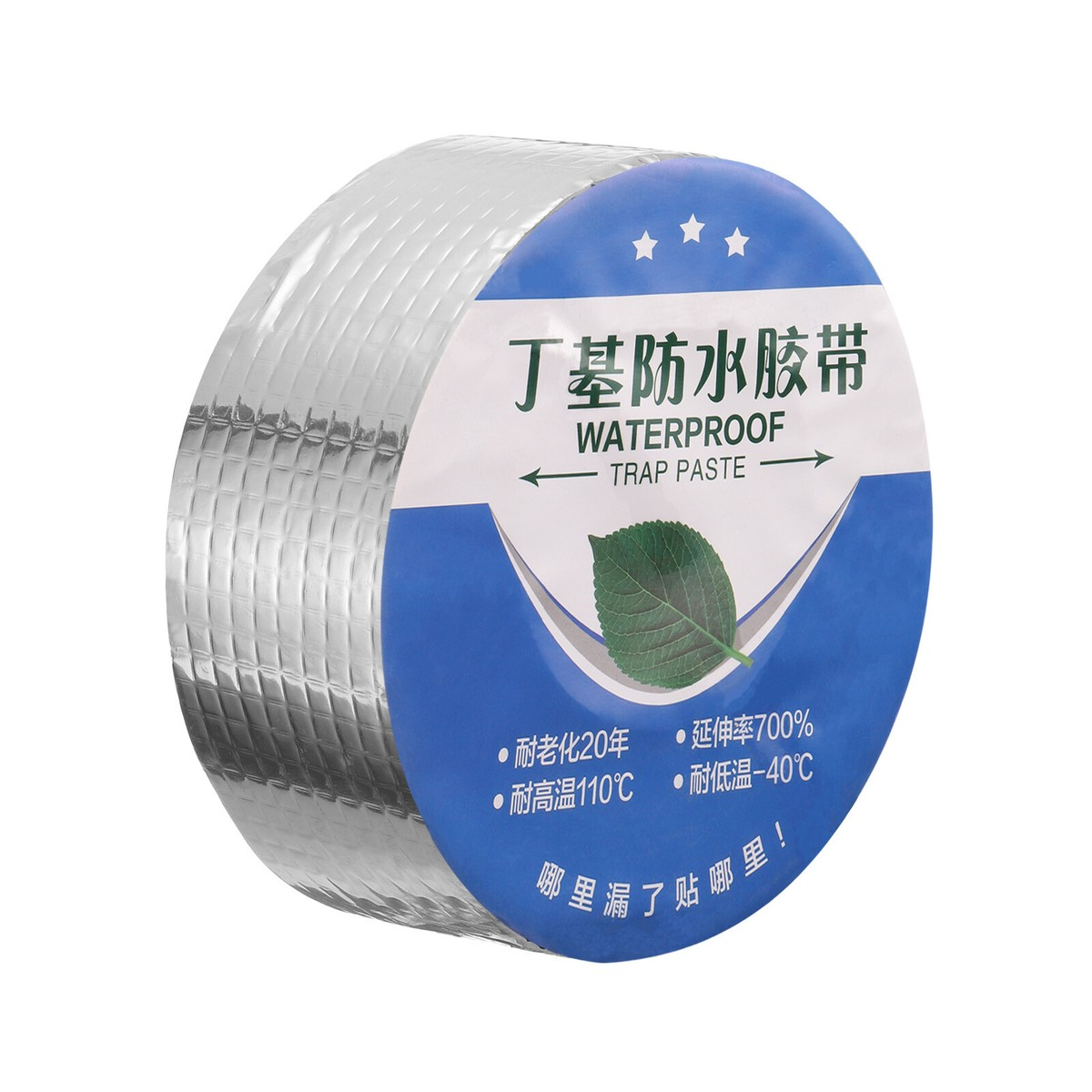
In modern building envelope engineering, installing an industrial waterproof adhesive tape provides an indispensable seal across high-risk roof joints and facade transitions. A waterproof adhesive tape is not a generic repair strip; it represents a specialized joint-sealing component engineered to bridge moving building assemblies, withstand thermal fluctuations, and prevent capillary moisture intrusion. When contractors encounter corrugated metal panel overlaps, gutter seams, plumbing penetrations, or masonry parapets, choosing the correct waterproof adhesive tape determines whether the assembly remains watertight. A high-performance waterproof adhesive tape must possess sufficient surface tack to wet out substrate textures, adequate tensile strength to resist shear forces, and long-term elasticity across changing seasonal temperatures. Sourcing a certified waterproof adhesive tape ensures that commercial building envelopes maintain durable weather protection throughout their service life.
Selecting a waterproof adhesive tape begins with evaluating the structural geometry and moisture dynamics of the building joint. On metal roof laps and exterior flashing seams, installing a continuous waterproof adhesive tape eliminates narrow capillary pathways that draw wind-driven rain beneath sheets. Around complex pipe penetrations and roof fasteners, a flexible waterproof adhesive tape conforms tightly to curved profiles without creating bridged channels. For exterior gutters and sheet metal joints, pairing a durable waterproof adhesive tape with ultraviolet-resistant facers protects the elastomeric compound from solar degradation. Furthermore, when detailing membrane terminations, contractors must ensure that their chosen waterproof adhesive tape is chemically compatible with the surrounding waterproofing system. Specifying an engineered waterproof adhesive tape prevents common water tracking issues and delivers a reliable barrier across diverse construction assemblies.
Construction projects demand specific chemical formulations to ensure long-term adhesion between building materials. Synthetic butyl formulations represent the most versatile waterproof adhesive tape for commercial roofing, gutter repairs, and metal panel joints. A quality butyl waterproof adhesive tape provides permanent viscoelasticity, allowing the compound to flow into microscopic substrate pores under firm compression. For compatible bituminous roof repairs, an asphalt-based waterproof adhesive tape provides a heavy-duty seal, though it lacks the broad chemical stability of a butyl waterproof adhesive tape. In addition, an aluminum foil faced waterproof adhesive tape shields the underlying adhesive core from extreme ultraviolet rays and weathering, making it the preferred waterproof adhesive tape for exposed perimeter flashings. Conversely, specialty silicone or double-sided fleece-backed products serve concealed transitions where subsequent coatings or liquid membranes are applied over the waterproof adhesive tape.
Determining the appropriate width and thickness of a waterproof adhesive tape is vital for establishing an adequate bonding margin. For standard corrugated metal laps, contractors typically select a waterproof adhesive tape in fifty-millimeter or seventy-five-millimeter widths to provide sufficient contact without excessive squeeze-out. When repairing wide gutter cracks or corroded metal transitions, applying a wider waterproof adhesive tape spanning one hundred millimeters ensures a reliable bonding margin on both sides of the damaged joint. At irregular plumbing penetrations, installing a pliable, non-reinforced waterproof adhesive tape conforms smoothly around curved flanges, whereas a stiff waterproof adhesive tape might bridge across sharp angles. Specifying an appropriately sized waterproof adhesive tape prevents void formation and ensures continuous pressure-sensitive adhesion along the entire roof seam.
Ambient weather conditions directly influence the tack, wetting capacity, and long-term bond of any pressure-sensitive waterproof adhesive tape. Most manufacturers specify installing a waterproof adhesive tape within a temperature range of ten to twenty-seven degrees Celsius for optimal wetting. In cold winter weather, a stiffened waterproof adhesive tape cannot conform properly to textured surfaces, making it essential to condition rolls in a warm environment before application. Conversely, extreme summer heat can cause a soft waterproof adhesive tape to distort during placement. Installers must thoroughly clean the substrate, removing dust, oil, and moisture, because a waterproof adhesive tape cannot adhere to contaminated or frosty surfaces. Applying continuous pressure with a heavy silicone roller ensures that the waterproof adhesive tape establishes complete molecular contact across the substrate.
Seam failures usually result from improper application methods rather than material defects in the waterproof adhesive tape. Edge lifting occurs when a worker applies a waterproof adhesive tape over chalky coatings, loose rust, or trapped condensation. Void bridging happens when an installer stretches a stiff waterproof adhesive tape across corrugations instead of pressing it into the recess. Applying uniform hand-roller pressure along all edges of the waterproof adhesive tape eliminates trapped air bubbles and fishmouths. In addition, using an undersized waterproof adhesive tape that fails to extend past the water path leads to water tracking beneath the joint. Commercial contractors prevent these issues by conducting preliminary adhesion tests with their chosen waterproof adhesive tape before full production begins.
Commercial distributors and roofing contractors should partner directly with certified manufacturers when sourcing a waterproof adhesive tape in bulk. Shandong Dingtai Waterproof Technology Co., Ltd. manufactures industrial-grade waterproof adhesive tape rolls under the JinDingTai brand, ensuring consistent adhesive thickness, reliable tensile properties, and easy release liner removal. Specifying a factory-tested waterproof adhesive tape guarantees that rolls comply with international weatherproofing and aging standards. In addition, purchasing a standardized waterproof adhesive tape inventory simplifies procurement across multiple residential and commercial projects. Investing in a proven waterproof adhesive tape protects property owners from expensive structural leaks and ensures lasting building envelope integrity.
No, a waterproof adhesive tape should never be applied over wet, damp, or frosted surfaces. Trapped moisture acts as a parting agent that prevents the waterproof adhesive tape from wetting the substrate, causing premature edge lifting and joint failure. Always clean and dry the surface thoroughly before placing your waterproof adhesive tape.
An aluminum foil faced waterproof adhesive tape combines the flexible sealing properties of a butyl core with a durable, ultraviolet-resistant metallic facer. This metallic barrier protects the waterproof adhesive tape from solar heat and ultraviolet degradation, making it ideal for fully exposed metal roof laps, gutters, and parapet walls.
Choosing the correct width for a waterproof adhesive tape depends on joint movement and lap dimensions. For standard screw lines and narrow laps, a fifty-millimeter waterproof adhesive tape provides adequate coverage. For deteriorating gutters or uneven joints, select a seventy-five-millimeter or one-hundred-millimeter waterproof adhesive tape to ensure at least thirty millimeters of sound bonding margin on either side of the seam.

2026/11/20
How an APP waterproof membrane handles heat: 130°C softening point, torch application windows, overheating signs, summer storage, and thermal aging checks.

2026/11/20
The science of a breathable waterproof membrane: water vapor diffusion, Sd values, three grammage grades, water column resistance, and wrong-use cases.

2026/11/20
Single-ply or two-ply, every flat roof is a stack. See how a self adhesive waterproof membrane for roof systems handles base, cap, insulation and drains.

2026/11/20
How the polyester scrim sets tensile strength and dimensional stability of reinforced TPO membrane rolls, with welding, roll sizes and selection tips.

2026/11/20
How an aluminum foil coated bitumen waterproof membrane reflects solar radiation, lowers surface temperature, and what maintenance keeps savings alive.

2026/11/20
SBS modified bitumen waterproof membrane property groups: tensile strength, low-temperature flexibility, heat resistance, surface finishes, applications.
Links to the corresponding full news page.

The eight questions overseas buyers ask most — factory ownership, capacity, batch consistency and lead times, answered straight.

SBS membranes, polymer sheets, coatings and geomembranes — six product lines are operating simultaneously.

Pre-sales specification, on-site technical support and post-delivery maintenance across 100+ export markets.

Waterproofing performance is decided in the specification and the detailing, not just the material. Our technical team helps you select the right system, resolve site questions as they arise, and stay reachable long after the container lands.
