
 EN
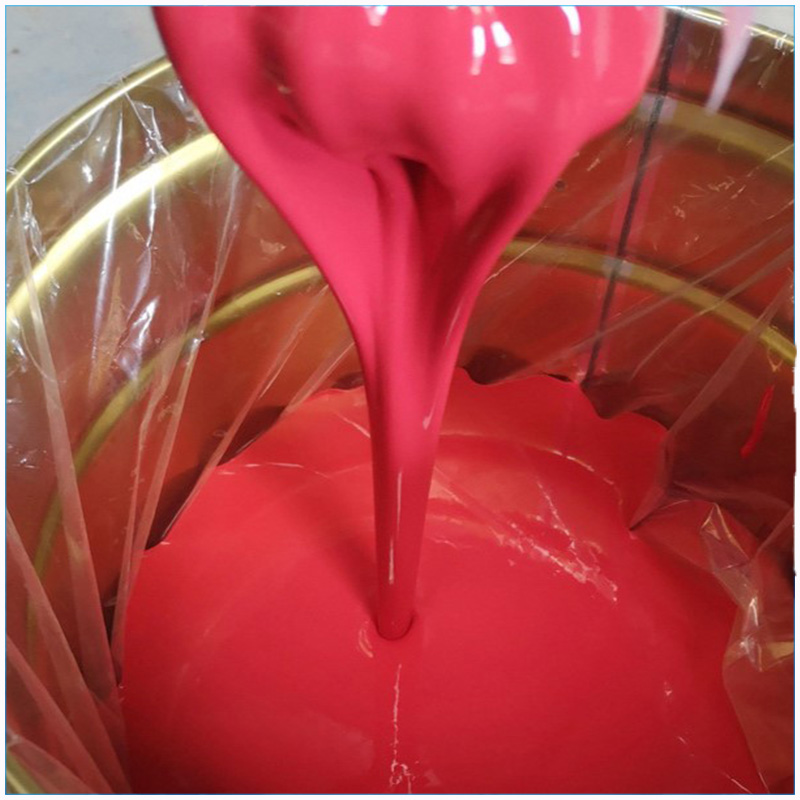
Every distributor and contractor eventually needs a map of this product category: which chemistry does what, where each belongs, how to compare quotations that look alike but behave differently. This overview walks the five families, anchored by real datasheet values from one range — from the polyurethane waterproof coating to the water based waterproof coating workhorses.
Mapping the Coating Families
Liquid-applied waterproof coatings fall into five broad families: polyurethane, water based polymer, acrylic, silicone, and transparent film. An acrylic waterproof coating on a datasheet therefore signals UV-facing duty. They differ in elasticity, vapour permeability, UV tolerance, and solids content — four axes that decide where each product belongs. A rigid basement wall, an elastic rooftop, a breathing facade, a visible stone elevation — each points to a different family. Rather than memorising brochures, navigate by two questions: how much movement must the film absorb, and how much moisture must escape? Answer those, and the field of options narrows to one or two candidates. The silicone waterproof coating, for instance, is the only family combining high elasticity with full vapour openness — a hint of why facade specifications usually end there.
Polyurethane: Elasticity for Moving Structures
A polyurethane waterproof coating is the elasticity specialist among waterproof coatings. Liquid-applied, it forms a seamless rubber-like film over roofs, underground structures, and detail-heavy surfaces where seams fail first. The reference datasheet specifies elongation at break of at least 450%, tensile strength of at least 1.5 MPa, crack bridging up to 5 mm, and an application rate of 1.5–2.5 kg/m² in two to three coats. They suit HVAC-penetrated flat roofs, basements under hydrostatic pressure, and podium decks. Trade-offs: the film needs UV protection unless formulated for exposure, and solvent-borne grades bring handling requirements. Where movement dominates the specification, this is the family to shortlist first among waterproof coatings.
Water Based and Acrylic: The Low-Odour Workhorses
For occupied buildings, the water based waterproof coating family carries the volume. The standard-grade reference specifies solid content of at least 55%, elongation of at least 200%, tensile strength of 1.0 MPa, water tightness at 0.3 MPa for 30 minutes, surface dry in 2–4 hours at 20 °C, applied at 1.5–2.0 kg/m² in two coats. It bonds to concrete, mortar, masonry, and tile, so one drum serves every zone. The acrylic waterproof coating sits in the same camp but pushes solids higher: at least 65% solids, the same 200% elongation, single-component, no mixing, and UV-stable on non-traffic rooftops. That is why acrylic suits sun-exposed balconies, where a plain water based film would weather faster. Of the two, acrylic is the outdoor option; the water based family is the indoor volume driver. Both trade chemical punch for low odour, easy cleanup, and simple logistics — which is why an acrylic waterproof coating and its water based sibling dominate interior specifications, while the polyurethane waterproof coating owns the structural side.
Silicone and Transparent: Breathable Protection
Silicone chemistry answers the facade question in the waterproof coatings range. A silicone waterproof coating combines high elasticity with vapour permeability, so a wall dries without trapping moisture inside. The high-elasticity grade page specifies elongation of at least 350%, crack bridging up to 2 mm, water tightness at 0.3 MPa for 30 minutes, and 0.4–0.6 kg/m² per coat. Where appearance cannot change, the transparent member of the water based waterproof coating family steps in: contact angle of at least 120°, application rate of 0.1–0.3 kg/m², an invisible breathable film for brick and stone. A silicone waterproof coating thus protects while letting the substrate breathe — separating these two families from thicker waterproof coatings wherever trapped vapour would cause spalling.
Matching Products to Parts of the Building
With the families mapped, matching becomes systematic. Roofs with movement and detail congestion take the polyurethane waterproof coating grade. Interior wet areas and multi-zone renovations take the water based waterproof coating family. Sun-exposed balconies take the acrylic waterproof coating. Cracked facades and parapets take the silicone waterproof coating. Visible brick and stone take the transparent grade. Picture a procurement lead tendering an annual bundle across twelve buildings: one roof re-membrane, four bathroom renovations, six balcony recoats, two cracked facades. Four families, one framework, every datasheet value comparable line by line — buying product by product instead is how the wrong waterproof coatings end up layered on one wall.
Buying Checklist Before You Order
Close every tender with the same checklist. Confirm certified values behind each datasheet — elongation, tensile strength, water tightness, solids — not marketing summaries. Match the chemistry to substrate and movement. Calculate coverage per packaging unit for the real surface. Verify documentation, from CE certificates to batch traceability, and confirm minimum order quantities. Then trial on site. Whether the shortlist holds a polyurethane waterproof coating, an acrylic waterproof coating, a water based waterproof coating, or a silicone waterproof coating, suppliers who publish full values make verification easy — and that transparency predicts the whole transaction.
Frequently Asked Questions
Which type works on both roofs and bathrooms?
The water based family is the broadest: the reference grade covers rooftops, wet rooms, balconies, and basements on concrete, mortar, and tile, provided traffic stays light.
Is acrylic better than polyurethane for waterproofing?
Neither is universally better: an acrylic waterproof coating wins on UV exposure, simplicity, and higher solids, while a water based waterproof coating option trades some durability for easier site handling — polyurethane still leads on elongation and crack bridging for moving structures. Match the chemistry to the duty.
How do I compare quotations for different waterproof coatings?
Compare certified values line by line — elongation, tensile strength, water tightness, solids, coverage — then weigh documentation and minimum order quantities. Whether the line item is a silicone waterproof coating drum or a cement-based pail, hold every polyurethane waterproof coating quotation to the same standard: no published values, no order.










