 EN
APP Waterproof Membrane: High-Temperature Stability Guide
2026/11/20
How an APP waterproof membrane handles heat: 130°C softening point, torch application windows, overheating signs, summer storage, and thermal aging checks.

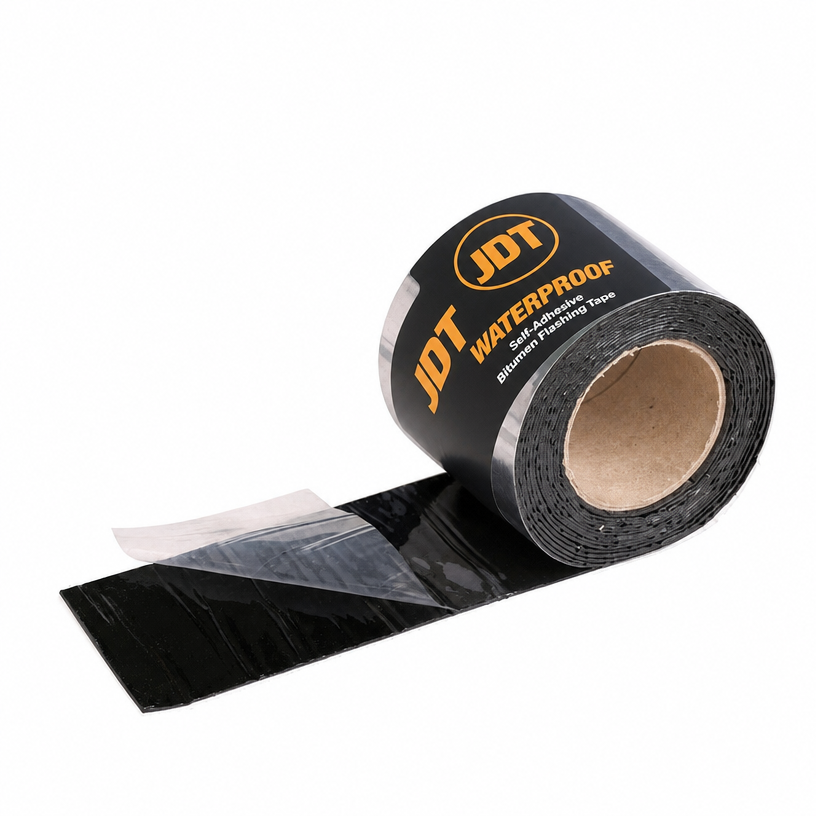
Roof leaks seldom begin in the open span of a roofing sheet. Moisture intrusion almost always develops where building materials meet, such as lap seams, perimeter edges, gutter transitions, and pipe penetrations. In these vulnerable junctions, selecting the right waterproof tape adhesive is critical for maintaining an unbroken seal. Many contractors mistakenly treat every waterproof tape adhesive as a standard peel and stick product, but true waterproofing demands an engineered bond. A high-quality waterproof tape adhesive must wet the substrate, conform to textures, and endure severe thermal expansion. For distributors and commercial roofers, choosing the correct waterproof tape adhesive ensures that joints remain watertight long after initial handover.
On an active commercial roof, bond strength represents much more than laboratory peel resistance. A reliable waterproof tape adhesive must establish intimate contact with diverse substrates, including painted metal, masonry, concrete, and existing membrane laps. If moisture or dust contaminates the surface, even an aggressive waterproof tape adhesive will experience edge lift over time. Furthermore, roof assemblies continuously expand and contract under sunlight, requiring the waterproof tape adhesive to maintain elasticity without cracking. Applying an industrial waterproof tape adhesive requires clean surfaces, adequate compression, and appropriate roll widths. Selecting a high-performance waterproof tape adhesive ensures that movement along the seam does not compromise the watertight barrier.
Different joint designs demand specific chemical formulations to deliver durable adhesion. Butyl formulations represent the most versatile waterproof tape adhesive for metal roofing, gutter seams, and penetration detailing. A quality butyl waterproof tape adhesive offers superior pliability, allowing the compound to flow into microscopic surface irregularities. When repairing gutters, installing a wide butyl waterproof tape adhesive bridges damaged seams and provides a continuous seal. In contrast, bitumen-based tapes suit asphalt roof repairs but lack the broad chemical compatibility of a butyl waterproof tape adhesive. For exposed flashings, pairing a waterproof tape adhesive with aluminum foil backing protects the elastomeric compound from solar degradation. Contractors must verify that their chosen waterproof tape adhesive matches the specific chemical properties of the roof substrate.
Joint geometry determines the required width and thickness of your waterproof tape adhesive. Narrow metal laps and fastener lines require a specialized waterproof tape adhesive sized to provide continuous compression along the joint. Gutter transitions demand a wider waterproof tape adhesive that extends past corroded edges onto sound metal. For exterior parapet flashings, installing an aluminum-faced waterproof tape adhesive provides UV resistance while maintaining a flexible seal. When detailing complex pipe penetrations, crews should select a highly conformable waterproof tape adhesive rather than forcing a rigid sheet over three-dimensional shapes. Choosing an appropriately sized waterproof tape adhesive prevents void bridging and stops water from tracking beneath the seam.
Ambient temperature directly affects the tack and wetting behavior of any pressure-sensitive waterproof tape adhesive. Most manufacturers recommend installing a waterproof tape adhesive between ten and twenty-seven degrees Celsius for optimal wetting. Cold weather stiffens the compound, preventing the waterproof tape adhesive from flowing into the surface profile. Conversely, extreme summer heat can make a waterproof tape adhesive overly soft, complicating alignment and handling. Storing your waterproof tape adhesive in a climate-controlled space before use preserves its initial bonding strength. Experienced contractors always conduct test patches with their waterproof tape adhesive on site to confirm adhesion before full production begins.
Seam failures usually stem from application errors rather than defective materials. Edge lift occurs when an installer applies a waterproof tape adhesive over surface dust, grease, or trapped moisture. Void bridging happens when a stiff waterproof tape adhesive spans across corrugations instead of being firmly rolled into the recess. Applying firm pressure with a silicone hand roller helps the waterproof tape adhesive achieve maximum surface contact. Additionally, pairing an incompatible waterproof tape adhesive with moving structural joints leads to adhesive tearing. Using a certified waterproof tape adhesive engineered for dynamic movement prevents recurring leaks and costly warranty repairs.
Commercial contractors and distributors should establish clear technical specifications when purchasing a waterproof tape adhesive. Sourcing an industrial waterproof tape adhesive directly from an experienced manufacturer guarantees batch consistency, certified peel strength, and dependable technical support. Shandong Dingtai Waterproof Technology Co., Ltd. supplies high-grade sealing products, ensuring every roll of waterproof tape adhesive meets rigorous construction standards. Specifying the correct backing, width, and release liner ensures that your waterproof tape adhesive performs reliably under demanding weather conditions. Investing in a premium waterproof tape adhesive protects commercial buildings against moisture intrusion and structural decay.
No, you should never install a waterproof tape adhesive over damp or wet surfaces. Trapped moisture creates a barrier that prevents the waterproof tape adhesive from bonding to the substrate, leading to premature edge lift. Always clean and dry the surface thoroughly before placing your waterproof tape adhesive.
Butyl remains the leading waterproof tape adhesive for metal roofs because it maintains long-term elasticity across wide temperature swings. A butyl waterproof tape adhesive conforms to metal seams, absorbs thermal movement, and seals around fasteners without drying out or becoming brittle.
Selecting the right width for a waterproof tape adhesive depends on joint movement and substrate condition. For standard laps, a narrow waterproof tape adhesive provides adequate coverage. For deteriorating gutters or uneven joints, select a wide waterproof tape adhesive that extends at least fifty millimeters past the seam on both sides.

2026/11/20
How an APP waterproof membrane handles heat: 130°C softening point, torch application windows, overheating signs, summer storage, and thermal aging checks.

2026/11/20
The science of a breathable waterproof membrane: water vapor diffusion, Sd values, three grammage grades, water column resistance, and wrong-use cases.

2026/11/20
Single-ply or two-ply, every flat roof is a stack. See how a self adhesive waterproof membrane for roof systems handles base, cap, insulation and drains.

2026/11/20
How the polyester scrim sets tensile strength and dimensional stability of reinforced TPO membrane rolls, with welding, roll sizes and selection tips.

2026/11/20
How an aluminum foil coated bitumen waterproof membrane reflects solar radiation, lowers surface temperature, and what maintenance keeps savings alive.

2026/11/20
SBS modified bitumen waterproof membrane property groups: tensile strength, low-temperature flexibility, heat resistance, surface finishes, applications.
Links to the corresponding full news page.

The eight questions overseas buyers ask most — factory ownership, capacity, batch consistency and lead times, answered straight.

SBS membranes, polymer sheets, coatings and geomembranes — six product lines are operating simultaneously.

Pre-sales specification, on-site technical support and post-delivery maintenance across 100+ export markets.

Waterproofing performance is decided in the specification and the detailing, not just the material. Our technical team helps you select the right system, resolve site questions as they arise, and stay reachable long after the container lands.
