 EN
APP Waterproof Membrane: High-Temperature Stability Guide
2026/11/20
How an APP waterproof membrane handles heat: 130°C softening point, torch application windows, overheating signs, summer storage, and thermal aging checks.

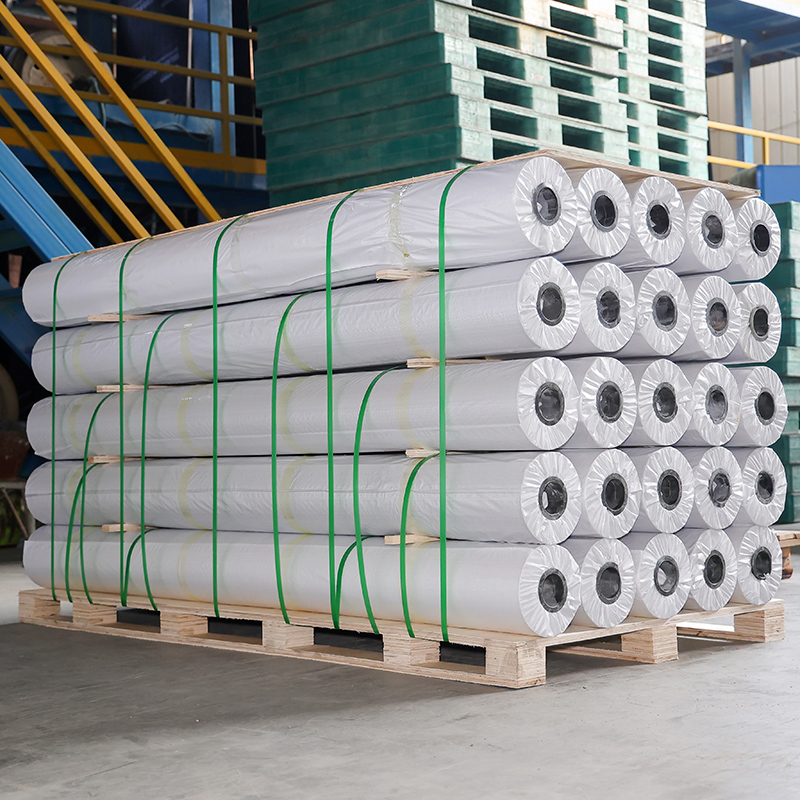
When professional roofing and civil engineering teams bid on commercial buildings, underground tunnels, or residential complexes, material selection directly determines both installation speed and long-term warranty risk. Understanding what waterproofing contractors need in membrane materials goes far beyond simply checking whether a sheet can block water in a laboratory test. On a busy construction site, waterproofing contractors need membrane materials that unroll flat without curling, adapt smoothly to uneven concrete or steel substrates, and maintain consistent thickness from the first meter to the end of the roll. At Shandong Dingtai Waterproof Technology Co., Ltd., situated in the renowned waterproofing manufacturing hub of Shouguang, our production lines supply six major waterproof series—including thermoplastic polyolefin, polyvinyl chloride, high-density polyethylene, modified bitumen, and composite nonwoven sheets—designed specifically around installer workflows. For building owners and project managers, viewing waterproofing membrane materials through the eyes of an experienced contractor is the surest way to prevent costly post-construction leaks.
Drawing from years of on-site technical support alongside domestic and international construction crews, our engineering team knows that labor efficiency and weather unpredictability are the two biggest pressures facing waterproofing contractors. In real-world project schedules, sudden temperature drops, morning dew, or high humidity can halt work if the selected waterproofing membrane materials are overly sensitive to ambient conditions. For example, when working on tight indoor remodeling schedules or damp basement substrates, contractors frequently prefer polymer cement bonded polyethylene polypropylene membranes or self-adhesive modified bitumen rolls that require no open flames and bond reliably to moist concrete. Conversely, on expansive commercial steel roofs, waterproofing contractors rely on mechanically fastened thermoplastic rolls that can be anchored and hot-air welded across varied seasonal temperatures. Practical field experience proves that membrane materials with wide installation temperature windows and flexible handling characteristics dramatically reduce crew fatigue, eliminate corner tenting, and keep complex construction projects on schedule.
From a materials science perspective, experienced waterproofing contractors recognize that ninety percent of field leaks occur at sheet overlaps, pipe penetrations, and structural transitions rather than through the center of the roll. Therefore, one of the primary qualities waterproofing contractors need in membrane materials is dependable seam fusion. In high-polymer sheets such as PVC and TPO, contractors look for pure resin formulations with wide thermal welding windows, allowing automated hot-air welders to fuse overlapping edges into a single molecular bond without scorching or delamination. Similarly, in subterranean basements and civil foundation works, waterproofing membrane materials must endure heavy impact when steel reinforcement bars are tied and concrete or gravel backfill is poured. To survive these harsh site conditions, contractors demand membrane materials fortified with internal polyester fiber scrims, high-density polymer cores, or thick nonwoven cushioning layers that deliver superior tensile elongation, nail-tear strength, and static puncture resistance.
According to internationally recognized building envelope guidelines and civil waterproofing codes, no single roll type can solve every architectural challenge. Authoritative engineering standards emphasize that professional waterproofing contractors must match specific membrane materials to the exact thermal, chemical, and mechanical stresses of the structure. For exposed industrial roofs subjected to intense solar radiation and wind uplift, industry guidelines favor UV-stabilized, reflective thermoplastic membranes that resist ozone aging and thermal expansion. For planted green roofs and underground utility tunnels, waterproofing contractors require root-resistant and chemically stable membrane materials that will not degrade when exposed to soil acids, alkalis, or biological growth. Meanwhile, for timber-frame walls and pitched roofs, vapor-permeable breathable membranes are specified to block wind-driven rain while allowing internal moisture vapor to escape. Following these authoritative system-matching principles ensures that the waterproof lining works in harmony with the building structure rather than fighting against environmental forces.
For waterproofing contractors, regional distributors, and project specifiers, the most frustrating job-site setback is discovering inconsistent roll thickness, off-center reinforcing scrims, or variable welding behavior between different production batches. Achieving trustworthy project outcomes requires partnering with a manufacturer that enforces strict raw material traceability and transparent quality verification. When sourcing waterproofing membrane materials, savvy contractors inspect rolls for smooth, pinhole-free surfaces, uniform gram weights, and clear packaging documentation before lifting materials onto the roof deck. At Shandong Dingtai Waterproof Technology Co., Ltd., we integrate polymer research, automated extrusion manufacturing, and rigorous laboratory batch testing across our entire product portfolio. By supplying waterproofing contractors with uniform, defect-free membrane materials and responsive technical consultation, we help construction teams minimize callback repairs, protect their professional reputation, and deliver watertight infrastructure that lasts for decades.
Above all else, waterproofing contractors prioritize consistent seam weldability and dimensional stability. Whether sealing overlaps with hot air, thermal torches, or self-adhesive laps, membrane materials must fuse reliably without edge curling or thickness variations so crews can create a permanent, leak-proof barrier quickly on site.
Waterproofing contractors evaluate the building structure, exposure conditions, and local climate before choosing a system. Thermoplastic polymer sheets like PVC and TPO are preferred for exposed commercial roofs and complex linings due to their light weight, UV reflectivity, and hot-air welded seams, while modified bitumen and composite membranes are widely chosen for heavy-duty concrete decks, basements, and multi-layer concealed waterproofing systems.
If membrane materials vary in thickness or polymer formula from one roll to the next, automated hot-air welding machines and torching crews must constantly stop to readjust their heat and speed settings. Consistent factory batch quality ensures predictable melting behavior, uniform tear strength, and smooth installation across thousands of square meters.

2026/11/20
How an APP waterproof membrane handles heat: 130°C softening point, torch application windows, overheating signs, summer storage, and thermal aging checks.

2026/11/20
The science of a breathable waterproof membrane: water vapor diffusion, Sd values, three grammage grades, water column resistance, and wrong-use cases.

2026/11/20
Single-ply or two-ply, every flat roof is a stack. See how a self adhesive waterproof membrane for roof systems handles base, cap, insulation and drains.

2026/11/20
How the polyester scrim sets tensile strength and dimensional stability of reinforced TPO membrane rolls, with welding, roll sizes and selection tips.

2026/11/20
How an aluminum foil coated bitumen waterproof membrane reflects solar radiation, lowers surface temperature, and what maintenance keeps savings alive.

2026/11/20
SBS modified bitumen waterproof membrane property groups: tensile strength, low-temperature flexibility, heat resistance, surface finishes, applications.
Links to the corresponding full news page.

The eight questions overseas buyers ask most — factory ownership, capacity, batch consistency and lead times, answered straight.

SBS membranes, polymer sheets, coatings and geomembranes — six product lines are operating simultaneously.

Pre-sales specification, on-site technical support and post-delivery maintenance across 100+ export markets.

Waterproofing performance is decided in the specification and the detailing, not just the material. Our technical team helps you select the right system, resolve site questions as they arise, and stay reachable long after the container lands.
