 EN
APP Waterproof Membrane: High-Temperature Stability Guide
2026/11/20
How an APP waterproof membrane handles heat: 130°C softening point, torch application windows, overheating signs, summer storage, and thermal aging checks.

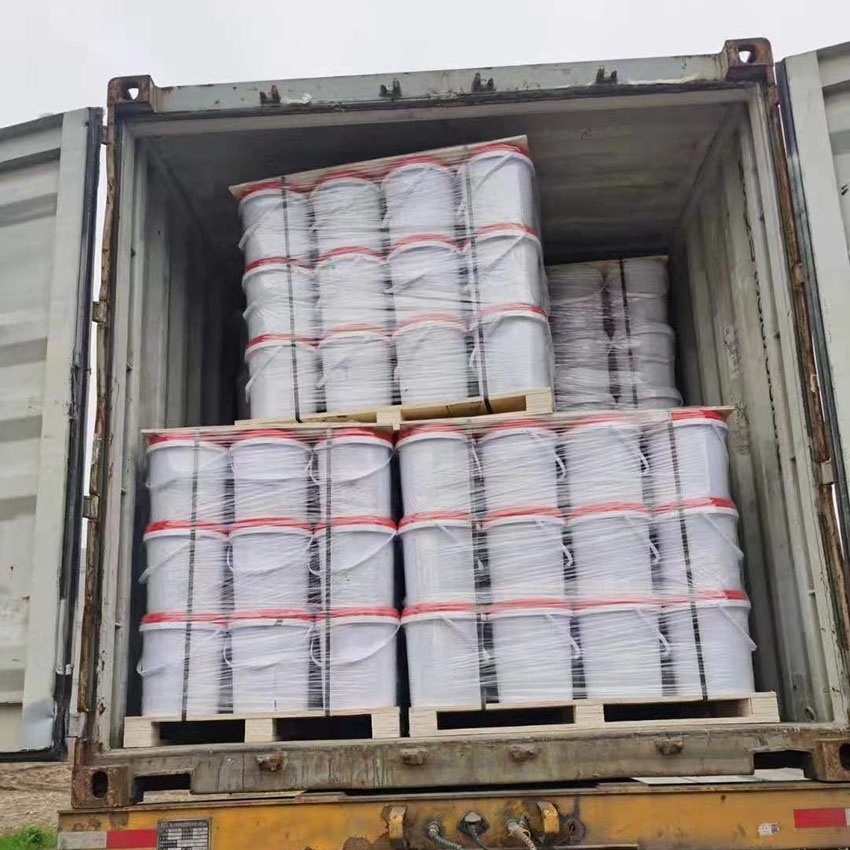
Sourcing waterproofing products in bulk requires more than comparing quotations. For importers, distributors, contractors, and purchasing teams, wholesale building materials procurement starts with a clear understanding of the project, the required product categories, and the delivery schedule. Before contacting suppliers, identify the application, substrate, expected water exposure, installation method, destination market, and target delivery date.
DT Waterproof lists several waterproofing-related categories, including asphalt waterproof membranes, polymer waterproof membranes, waterproof coatings, waterproof tapes, geotechnical materials, and floor coatings. Each category serves different purposes, so buyers should not assume that one material can replace another. A roof, basement wall, wet room, and reservoir lining may require different products and installation systems.
Prepare a purchasing schedule that records each product's intended use, specifications, quantity, packaging, required documents, and delivery requirements. If the design is not finalized, share the known project conditions and ask the supplier to clarify the available options before ordering. This preparation helps wholesale building materials buyers compare quotations on a consistent basis and reduces the risk of selecting an unsuitable product.
Product selection should follow the approved construction design rather than price alone. Asphalt waterproof membranes, including bitumen-based and self-adhesive options, may be suitable when the project specifies an asphalt-based waterproofing system. Polymer membranes such as TPO, PVC, and polyethylene-polypropylene composite membranes have different material characteristics and installation requirements. The final choice should reflect the approved specification, substrate, exposure conditions, and installation method.
Liquid-applied waterproof coatings can be considered for compatible prepared surfaces and construction details. Waterproof tapes may be used for specified joints, seams, or local details when they are compatible with the main system. Geotechnical materials, including geomembranes, geotextiles, and drainage boards, have separate roles in containment, filtration, separation, and drainage. They should not be treated as interchangeable products.
For distributors handling wholesale building materials, organizing stock by application can make purchasing more manageable. Regularly requested products may justify planned inventory, while specialized materials may be ordered for confirmed projects. Before combining several categories in one shipment, confirm current availability, packaging arrangements, storage requirements, and the documents applicable to each product. A catalogue can help shortlist options, but the project's approved requirements should guide the final purchase.
A written specification sheet helps align the buyer, supplier, freight forwarder, and receiving team. Include the exact product name and type, relevant dimensions or grade, quantity, packaging, delivery destination, required arrival date, and any approval steps before shipment. For wholesale building materials orders, clarify whether samples, inspection records, test reports, or other technical documents must be reviewed before production or dispatch.
Technical checks should match the selected product. Depending on the application, buyers may need to review substrate compatibility, installation instructions, seam treatment, storage conditions, and relevant performance reports. TPO membranes, self-adhesive bitumen membranes, and liquid coatings use different installation approaches, so a general brochure may not provide enough information for technical approval.
ASTM International publishes standards that may help define project requirements. For example, ASTM D7832/D7832M-24 addresses performance attributes for certain reinforced or laminated waterproofing membranes used on below-grade walls. Its scope is specific and should not be assumed to cover every waterproofing product. Buyers should confirm which standard is required by the project specification and whether it applies to the exact product being purchased. This documentation review makes wholesale building materials sourcing easier to verify and track.
A low unit price does not always result in the lowest project cost. Compare the quoted price with packaging, freight, import duties, storage, installation requirements, and the potential cost of late delivery. Quantity estimates should be based on approved drawings, measured areas, product dimensions, and manufacturer instructions. Allowances for overlaps, cutting, and waste should suit the selected system rather than follow a universal percentage.
Inventory planning also matters. A distributor serving roofing contractors may regularly need certain membrane types but rarely stock specialized geotechnical products. Buying every category in equal quantities can tie up working capital and increase storage demands. A more practical wholesale building materials strategy is to separate frequently reordered items from project-specific products and confirm replenishment lead times before setting stock targets.
Before confirming an order, ask about minimum order quantities, available packaging, production schedules, sample availability, shipment consolidation, freight terms, and customs responsibilities. If multiple product categories are included, request written confirmation of availability and packing arrangements. Clear delivery terms, a confirmed destination address, and an agreed schedule help purchasing teams manage wholesale building materials orders with fewer avoidable surprises.
Procurement checks should continue after the purchase order is confirmed. Before shipment, agree on an inspection checklist covering product identification, labels, packaging condition, quantities, and required documents. Samples can help buyers review basic product characteristics, but they do not replace laboratory testing or formal project approval where these are required.
When wholesale building materials arrive, compare the shipment with the approved purchase order and specification sheet. Record missing items, damaged packaging, label discrepancies, and absent documents before moving the goods into regular inventory. If batch numbers or production records are supplied, retain them with the order file so that questions can be linked to the relevant delivery.
Traceable records are useful when materials are distributed to multiple contractors or construction sites. They help purchasing teams confirm what arrived, where products were allocated, and which technical documents apply. If a delivery does not match the agreed specification, contact the supplier promptly and follow the agreed process for reporting the discrepancy and arranging a resolution.
A structured wholesale building materials process combines appropriate product selection, clear specifications, realistic quantity planning, and verifiable delivery checks. DT Waterproof's published product categories provide a starting point for evaluating potential waterproofing options. Before placing a bulk order, confirm current product details, application suitability, and documentation requirements with the supplier. This approach supports more consistent purchasing decisions while helping reduce avoidable specification and delivery risks.
State the intended application, product category, required specifications, estimated quantity, packaging preferences, delivery destination, schedule, and documentation requirements. Project drawings and relevant technical requirements can help suppliers clarify the quotation.
Possibly. Buyers can ask whether membranes, coatings, tapes, and geotechnical materials can be consolidated. Availability, packaging compatibility, and shipping arrangements should be confirmed in writing before the order is finalized.
Compare product labels, quantities, packaging, and accompanying documents with the approved order. Record damage or discrepancies, retain batch information when available, and contact the supplier before using goods that do not meet the agreed specifications.

2026/11/20
How an APP waterproof membrane handles heat: 130°C softening point, torch application windows, overheating signs, summer storage, and thermal aging checks.

2026/11/20
The science of a breathable waterproof membrane: water vapor diffusion, Sd values, three grammage grades, water column resistance, and wrong-use cases.

2026/11/20
Single-ply or two-ply, every flat roof is a stack. See how a self adhesive waterproof membrane for roof systems handles base, cap, insulation and drains.

2026/11/20
How the polyester scrim sets tensile strength and dimensional stability of reinforced TPO membrane rolls, with welding, roll sizes and selection tips.

2026/11/20
How an aluminum foil coated bitumen waterproof membrane reflects solar radiation, lowers surface temperature, and what maintenance keeps savings alive.

2026/11/20
SBS modified bitumen waterproof membrane property groups: tensile strength, low-temperature flexibility, heat resistance, surface finishes, applications.
Links to the corresponding full news page.

The eight questions overseas buyers ask most — factory ownership, capacity, batch consistency and lead times, answered straight.

SBS membranes, polymer sheets, coatings and geomembranes — six product lines are operating simultaneously.

Pre-sales specification, on-site technical support and post-delivery maintenance across 100+ export markets.

Waterproofing performance is decided in the specification and the detailing, not just the material. Our technical team helps you select the right system, resolve site questions as they arise, and stay reachable long after the container lands.
