 EN
APP Waterproof Membrane: High-Temperature Stability Guide
2026/11/20
How an APP waterproof membrane handles heat: 130°C softening point, torch application windows, overheating signs, summer storage, and thermal aging checks.

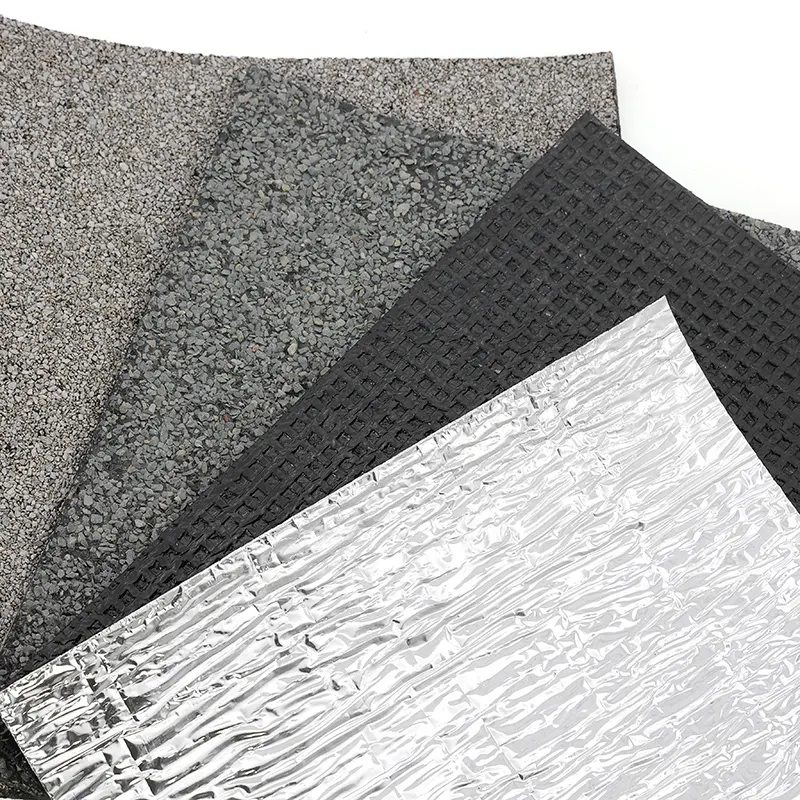
When procurement teams shortlist an APP bitumen membrane supplier China exports from, the checks that matter are APP-specific, because this grade lives or dies on heat performance. The modifier system and the reinforcement carrier define an APP modified bitumen sheet, and both leave fingerprints a buyer can verify before any factory audit is booked. Heat resistance is the headline property: the grade is chosen for hot climates precisely because its softening point sits at 130°C, so every downstream check - datasheet, certificate, sample - exists to confirm that one number is real and repeatable. A buyer who verifies polymer, reinforcement and heat performance in that order filters out most weak offers in an afternoon, long before price decides.
The 130°C softening point an APP bitumen membrane supplier China declares on the datasheet should appear in three places without contradiction: the TDS, the COA for the delivered batch, and the third-party test report behind the CE file. Ask for the ring-and-ball test result, not a paraphrase, and check that the tested thickness matches the 3mm, 4mm or 5mm grade being quoted, because heat resistance data taken on one thickness does not automatically describe another. A number that appears only in marketing copy, with no certificate behind it, is the most common gap when this grade is bought on price alone. The same COA should carry the companion values - tensile strength of at least 600 N/50mm, elongation of at least 25%, and low-temperature flexibility of -5°C to -10°C - so the batch is described by numbers rather than by adjectives.
An APP modified bitumen compound only performs as well as the reinforcement it sits on, so the pairing an APP bitumen membrane supplier China offers deserves its own question. Polyester mat brings the elongation and tear behavior that suit torch-applied installation and 80-100mm laps; fiberglass mat brings dimensional stability at a different price point; both are legitimate but different products, and the datasheet should say plainly which one is quoted. Check that the declared tensile strength of at least 600 N/50mm corresponds to the declared mat, and that the surface finish - PE film, sand or aluminum foil - matches the position of use. A quotation that mixes the reinforcement of one grade with the price of another is not a discount; it is a re-specification nobody agreed to, and a red flag to raise at the factory audit.
Torch-applied roofing is unforgiving of drift between production lots: when heat resistance drifts, an APP modified bitumen compound melts differently roll to roll, and the result is scorching, poor lap fusion or a membrane that will not seed at the edge. The batch stability an APP bitumen membrane supplier China demonstrates across consecutive lots is therefore a direct installation risk question, not a paperwork formality. Request COA records for several recent batches of the same grade and compare the softening point, cold flexibility and tensile values line by line; tight agreement between lots is the practical definition of a controlled process. On one Gulf-market distributor's pre-contract trial, three consecutive lots of the 4mm polyester grade fell within a narrow band on all three parameters, and that consistency - not the sample alone - justified the contract.
No document set replaces walking the line, so plan the plant visit around what modified bitumen production actually depends on: feedstock storage for oxidized bitumen and APP modifier, metered feeding into the mixing system, temperature control through the blending stage, and continuous lamination of the reinforcement and surface film. The QC laboratory should hold working equipment for softening point, low-temperature flexibility, tensile testing and water tightness, with recent heat resistance and flexibility reports on file, and an ISO 9001 certificate that covers the producing entity by name. A factory audit at an APP bitumen membrane supplier China will also reveal the quiet details: batch traceability labels on finished rolls, release-liner condition, and how finished goods are stored against heat and sunlight before dispatch. Book it before the trial order, not after the first claim.
Insist on production samples from a scheduled run, not a showcase piece, and pair every sample of the modified bitumen with its COA so heat resistance values and material travel together. The document set an APP bitumen membrane supplier China ships should include the batch quality certificate, TDS, MSDS, and the CE certificate where EN-type approval is claimed, with roll labels traceable to the declared batch. Export paperwork deserves the same scrutiny a factory audit applies to product: check that invoices, packing lists and certificate of origin describe the grade and thickness actually contracted, because customs descriptions that drift from the contract create delays at destination. When sample values and documents agree across two consecutive orders, the supplier has demonstrated the consistency that repeat supply depends on, and the relationship can move from trial to framework.
Consistency across batches: the same 130°C softening point, tensile strength and flexibility values appearing on the COA of every lot, backed by a modified bitumen plant that can show the process behind them.
Three sources that agree - datasheet, batch certificate and third-party report - all stating 130°C for the exact thickness quoted; a factory audit that observes the softening point test closes the loop.
Yes: test the sample for tensile strength, elongation and flexibility, then match results to the COA values of at least 600 N/50mm and at least 25% for the same grade and batch number.

2026/11/20
How an APP waterproof membrane handles heat: 130°C softening point, torch application windows, overheating signs, summer storage, and thermal aging checks.

2026/11/20
The science of a breathable waterproof membrane: water vapor diffusion, Sd values, three grammage grades, water column resistance, and wrong-use cases.

2026/11/20
Single-ply or two-ply, every flat roof is a stack. See how a self adhesive waterproof membrane for roof systems handles base, cap, insulation and drains.

2026/11/20
How the polyester scrim sets tensile strength and dimensional stability of reinforced TPO membrane rolls, with welding, roll sizes and selection tips.

2026/11/20
How an aluminum foil coated bitumen waterproof membrane reflects solar radiation, lowers surface temperature, and what maintenance keeps savings alive.

2026/11/20
SBS modified bitumen waterproof membrane property groups: tensile strength, low-temperature flexibility, heat resistance, surface finishes, applications.
Links to the corresponding full news page.

The eight questions overseas buyers ask most — factory ownership, capacity, batch consistency and lead times, answered straight.

SBS membranes, polymer sheets, coatings and geomembranes — six product lines are operating simultaneously.

Pre-sales specification, on-site technical support and post-delivery maintenance across 100+ export markets.

Waterproofing performance is decided in the specification and the detailing, not just the material. Our technical team helps you select the right system, resolve site questions as they arise, and stay reachable long after the container lands.
