 EN
APP Waterproof Membrane: High-Temperature Stability Guide
2026/11/20
How an APP waterproof membrane handles heat: 130°C softening point, torch application windows, overheating signs, summer storage, and thermal aging checks.

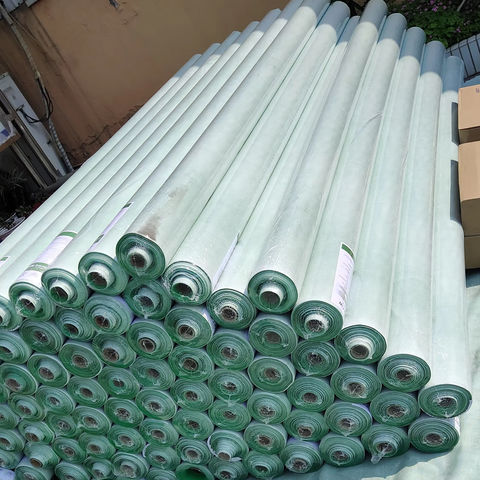
A new concrete deck looks flat and sound, but it is a chemically active surface. A bitumen waterproof membrane for concrete roof work has to be scheduled around curing, moisture, and laitance rather than laid the week the formwork comes down. This guide sets out the sequence from moisture check to protection layer, with the sheet values that belong in the specification.
Concrete casts with a weak surface layer, laitance, made of fines and cement that rose during vibration. That layer has low strength and must come off before any sheet goes down. A torch applied membrane bonded to laitance will hold for a season and then lift in sheets. A concrete roof waterproofing sequence starts with the pour date, not the delivery date.
The deck also shrinks as it dries, and shrinkage continues after the roof is closed. A concrete substrate that is still moving will crack under a rigid finish, which is why the sequence allows curing before membrane work. A bitumen primer does not fix a moving slab.
Moisture is the second gate. A concrete roof waterproofing programme should not start until the specified curing period is complete and a moisture check reads dry. Trapped water below a sheet turns to vapour under sun and pushes the membrane off the deck, a failure that shows as blisters first and laps second.
A concrete substrate can read dry at the surface and still hold water below. Test with a moisture meter and a plastic sheet taped over the deck overnight. If condensation appears, wait. A bitumen waterproof membrane for concrete roof use is vapour-tight, so water left in the slab has nowhere to go.
Grind or scarify the deck to remove laitance, then fill voids and honeycomb with repair mortar, leaving a clean, dry concrete substrate with real shear strength. Corners need a fillet, not a square edge. Dust off the surface and apply a bitumen primer at the coverage the data sheet states, allowing it to dry to a tack before torching. A primer that is still wet will blister under the flame, so test it with a finger before the first roll.
A torch applied membrane needs a dry, dust-free surface for fusion. Prime the day before if the schedule allows, and protect the primed deck from rain. On a bitumen waterproof membrane for concrete roof work the bitumen primer is the bond layer, and skimping on it is a common cause of lap failure. A concrete roof waterproofing clause should name the primer, not just the sheet.
Details take the movement first. Form a fillet at every internal corner, carry the sheet up the parapet to a termination bar, and reinforce outlets and penetrations with a collar. Movement joints need a separate detail, not a sheet laid across them.
A concrete substrate moves at joints and edges, so let the torch applied membrane bridge where the design allows, and keep the bitumen primer off the filler unless the data sheet says otherwise. Inspect every detail before the field sheet covers it. A bitumen waterproof membrane for concrete roof details is cut and fitted before the field is opened.
Some assemblies trap vapour between slab and sheet, especially where a screed or insulation sits above. A venting base sheet, or a layer that lets vapour escape to the edges, gives moisture a path out. The alternative is a blister field that appears in the first hot week.
A bitumen waterproof membrane for concrete roof assemblies can be the cap over a venting layer, with laps staggered. Concrete roof waterproofing design should state whether the assembly is vented or sealed, because the two need different details. A torch applied membrane over a sealed deck must be fully bonded, with no voids to collect air.
An exposed cap takes weather but not wheelbarrows. Where the roof will be used, add a protection layer: a screed, pavers, or a granule-faced sheet. Fix the protection without piercing the membrane, and keep traffic on boards during the build.
At handover, record the bitumen primer batch, the sheet batch, the lap overlaps, and the moisture reading. A bitumen waterproof membrane for concrete roof acceptance should be signed off against those records, and a concrete substrate that was dry at installation is a strong predictor of a quiet first summer. Concrete roof waterproofing records, the torch applied membrane batch, and the deck reading belong in the handover file. The sheet values belong in the same file: SBS at -25°C flexibility, ≥800 N/50mm tensile strength, ≥40% elongation, and 90°C heat resistance under GB 18242 or EN 13707, or APP at ≥600 N/50mm, ≥25%, 130°C, and -5°C to -10°C.
A school extension in a river valley was topped out in autumn. The crew waited for the moisture check, primed, and laid a 4 mm SBS cap with 80–100 mm laps. The following July the roof showed no blisters.
Dry enough that a plastic sheet taped overnight shows no condensation. A bitumen waterproof membrane for concrete roof work should not be laid over a damp slab, whatever the programme says. The concrete substrate sets the date.
No. Laitance is weak and must be ground off. A torch applied membrane bonded to it will lift, and no bitumen primer will compensate.
Where it will be walked or loaded, yes. Concrete roof waterproofing usually adds a screed or pavers, fixed without piercing the sheet, and the bitumen waterproof membrane for concrete roof file should show who checked the deck.

2026/11/20
How an APP waterproof membrane handles heat: 130°C softening point, torch application windows, overheating signs, summer storage, and thermal aging checks.

2026/11/20
The science of a breathable waterproof membrane: water vapor diffusion, Sd values, three grammage grades, water column resistance, and wrong-use cases.

2026/11/20
Single-ply or two-ply, every flat roof is a stack. See how a self adhesive waterproof membrane for roof systems handles base, cap, insulation and drains.

2026/11/20
How the polyester scrim sets tensile strength and dimensional stability of reinforced TPO membrane rolls, with welding, roll sizes and selection tips.

2026/11/20
How an aluminum foil coated bitumen waterproof membrane reflects solar radiation, lowers surface temperature, and what maintenance keeps savings alive.

2026/11/20
SBS modified bitumen waterproof membrane property groups: tensile strength, low-temperature flexibility, heat resistance, surface finishes, applications.
Links to the corresponding full news page.

The eight questions overseas buyers ask most — factory ownership, capacity, batch consistency and lead times, answered straight.

SBS membranes, polymer sheets, coatings and geomembranes — six product lines are operating simultaneously.

Pre-sales specification, on-site technical support and post-delivery maintenance across 100+ export markets.

Waterproofing performance is decided in the specification and the detailing, not just the material. Our technical team helps you select the right system, resolve site questions as they arise, and stay reachable long after the container lands.
